
Role Adaptation When Rowing in Different Boat Classes
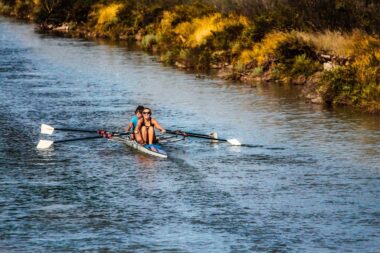
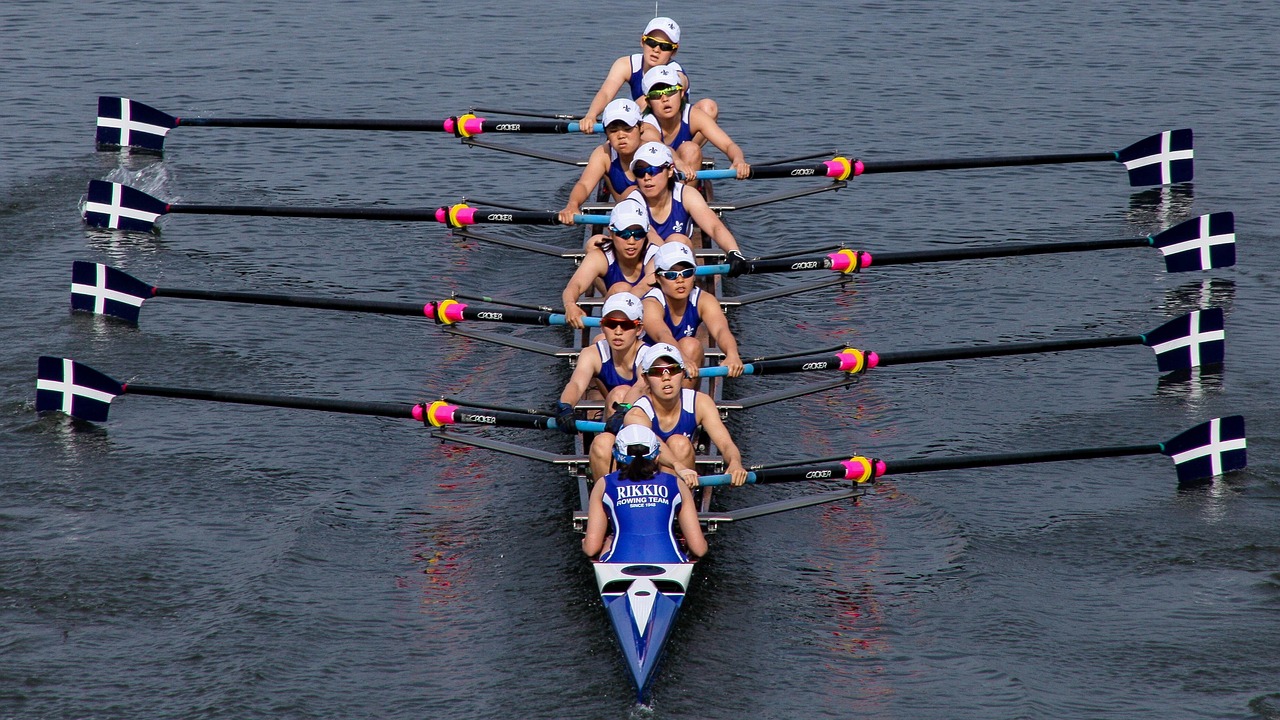
Rowing is an engaging sport, requiring skill, strength, and accurate adaptation to various boat classes. Each type of boat, whether it’s a single scull or a coxed four, necessitates distinct roles and positions. Proper acknowledgment of these roles is essential to optimize performance and efficiency on water. In a single scull, the rower must develop a strong sense of balance and timing, given their independence in the boat. Conversely, in larger boats, such as eights, teamwork is paramount; synchronization among rowers is critical for achieving speed and stability. The front of the boat holds a unique role, with the stroke seat exerting significant influence over the rhythm and pace set by the crew. Rowers must be aware that their positions impact the boat’s movement significantly. Dynamic adjustments are often necessary to accommodate changing conditions, from wind to water currents. Therefore, understanding one’s specific responsibilities within the crew context is vital. Practicing these adaptations frequently helps to enhance overall performance during races and training. Regardless of the equipment being used, teamwork and individual skills remain pivotal in achieving success.
The Importance of Positioning
In rowing, positioning influences how well a crew performs under varying conditions. Different boat classes create unique challenges; for instance, in sculling boats, the rower controls their own oars. This requires adaptable techniques since each rower works independently and must offer an appropriate response to water conditions. On the other hand, sweep boats require excellent communication and synchronization among team members. The stroke seat in such boats plays a critical role in establishing the rhythm. If this rower fails to maintain pace and awareness, it could detract from the overall performance. Similarly, the bow seat replaces the rower’s focus on technique with a priority on steering and navigation. This adaptation involves considerable responsibility, as they must make quick decisions to maintain the course. Consequently, effective training focuses on building skills appropriate for the specific boat class while encouraging seamless transitions in roles as required. Ensuring each crew member understands their position’s nuances contributes significantly to the group’s cohesion. By enhancing one’s skills according to boat class, rowers can elevate both their performances and those of their teammates.
Student rowers often face difficulties adjusting their techniques across different boat classes. Each class has unique requirements; for instance, a single sculler must manage their own balance while maintaining power in their strokes. This contrasts starkly with rowing in an eight, where rowers depend on each other profoundly and must harmonize their efforts to propel the boat effectively through water. Each adaptation can be challenging; however, consistent practice allows rowers to develop necessary skills. For example, in a quad, all four partners must coordinate not just their strokes, but also their breathing and rhythm for maximum efficiency. The lighter boats allow for greater speed, but also demand precision. In contrast, heavier boats require more strength from each rower and enhanced teamwork. Rowers may need to train specifically in transitions, progressing from smaller boats to larger ones, ensuring their techniques adapt naturally and effectively. The process might include cross-training best suited for individual skill enhancements. Learning to listen to their partners while also being aware of their own mechanics proves crucial for mastering each vessel type.
Training for Different Roles
Training effectively for different rowing roles involves tailored experiences to accommodate specific needs of each class. Rowing drills differ drastically between classes; single scullers might focus on perfecting their rowing technique through repetition, while larger crews may engage in synchronized drills highlighting teamwork. For instance, a coxswain plays a pivotal role in larger boats, focusing on steering and strategy, providing crucial feedback to rowers. Ideal training can cultivate their leadership qualities; therefore, a focus on communication skills along with rowing techniques is necessary. Furthermore, cross-training activities such as strength training, flexibility exercises, or even cardio work can collectively enhance performance, making rowers versatile. Regularly changing practices can alleviate monotony and keep training fresh and interesting. Another noteworthy aspect is adaptability in practice conditions; rowing outside in varying weather teaches rowers to manage different situations. Exposure to rough water conditions can build resilience and adaptability, mirroring competition-day scenarios. The overall aim of training must ensure rowing teams exhibit a profound understanding of roles across various classes, enabling seamless coaching and skill development.
Boat classes distinctly shape each rower’s experience on the water; for example, transitioning from a single to a double scull offers unique challenges. In this format, rowers learn strategies for coordination and balance with a partner—an experience that substantially fosters reliance on one another. The primary adaptation comes from adjusting individual glides to harmonize strokes. This shifts the focus from lone performance to a unified rhythm. Furthermore, large boats like the eight require rowers to understand their variable positions, fostering new responses to cues and adjustments. A lack of synchronization in an eight can lead to sub-optimal performance during competitions. Learning to manage this transition effectively is essential. In addition, engaging in various boat classes prepares rowers for potential role shifts during races or changing conditions. Resilience develops through experiences across different environments; this empowers rowers to think on their feet. Continuous interaction with diverse classes ultimately nurtures effective leadership and critical decision-making skills necessary for every crew member. Such adaptations are key contributors to overall success on race day.
Effects of Weather and Water Conditions
Water and weather conditions significantly influence rowing performance and roles in various boat classes. Identifying these environmental factors becomes crucial, as rough conditions require rowers to adjust their techniques strategically. For example, in turbulent water, rowers in larger boats may need to reduce their stroke rate, maintaining control while still keeping up speed. In contrast, competitive scullers might engage in more aggressive movements to navigate through waves. Adapting roles within teams during adverse weather also becomes paramount; coxswains must lead their crews efficiently while keeping morale high, regardless of outside hindrances. Moreover, communication becomes vital—not just during challenging conditions, though; navigating through smooth waters entails checks ensuring team cohesiveness remains intact. Furthermore, teams can benefit from devising alternative strategies during inclement weather, planning how to conserve energy while maintaining efficiency. Effective training sessions simulate unfavorable weather, ensuring rowers remain well-prepared for the unexpected. The overall experience fosters teamwork resilience and helps build mental fortitude while grappling with external challenges inherent in outdoor sports. Understanding these factors enhances racing performance without misbalance.
Effective adaptation to different boat classes is crucial in rowing, showcasing the variety of roles that exist within a crew. Evaluating individual strengths during practice can enhance team performance across disciplines significantly. Therefore, effective communication must remain a priority; rowers should practice sharing feedback consistently during training sessions, which cultivates a deeper understanding of one another’s skills and abilities. Determining the best combination of rowers for specific classes will ultimately reflect on overall performance. Additionally, when a team can adapt throughout a season, they’re likely to build stronger bonds and can help each other refine their strokes. Ongoing discussions about the nuances of roles must remain targeted; clarifying expectations ensures every member can respond effectively when needed. Flexibility in transitioning roles through various boats prepares rowers for competitive situations. By practicing this adaptability, crews will be better prepared for challenges presented not just by water but by unexpected shifts in competition as well. Continuous development of each crew member helps shape overall performance, showcasing how roles impact results. These strategies effectively combine to ensure preparation for anything encountered across seasons.
Conclusion
Adaptation is essential in rowing, especially when transitioning between different boat classes, and acknowledgment of diverse roles improves overall performance. Preparing for varying conditions, choosing an optimal boat class, and training for effective teamwork remain integral to the practice. Rowers must regularly evaluate their techniques for various positions, always keeping communication in mind for seamless performance. As rowers experience distinct roles across broader environments and classes, their overall proficiency strengthens, inspiring fellow teammates. Building resilience through teamwork nurtures greater understanding of adjustments essential for success. Competitive training will often create unforeseen challenges, requiring quick decision-making and enhanced adaptability. Improved skills across various boat classes can lead to greater accomplishments, providing rowers confidence in their capability when adapting during sunlight and storms alike. Each rower, regardless of their role, must strive to complement the team while sharpening their individual skills. Ultimately, understanding and enhancing these roles across classes effectively will contribute positively to overall success in competitive situations. As a result, developing methods and strategies while practicing will lead to confidently smoother rows in any boat class.