
Winter Sports Injuries: Prevention and Care for Teens
Winter sports are incredibly popular among teens, providing exhilarating experiences through activities such as skiing, snowboarding, and ice skating. However, these sports also come with significant risks, including injuries that can threaten a young athlete’s engagement in these activities. The most common types of injuries include sprains, fractures, and concussions, which can result from falls or collisions. To help mitigate these risks, proper preparation and precautions should be taken. For instance, wearing appropriate gear, including helmets and pads, plays a crucial role in protecting teens from serious injuries. Additionally, conditioning exercises should be performed prior to sessions on the slopes or rinks. These exercises improve strength and balance, two essential components for injury prevention. Teens should also remember to always warm-up and cool down, aiding muscle flexibility and recovery. Engaging in awareness about surroundings while participating in winter sports is equally important. Becoming attuned to one’s environment can help avoid accidents with other athletes or obstacles. By following these guidelines, teens can enjoy the thrilling aspects of winter sports while minimizing the potential for injury.
Essential Gear for Safety
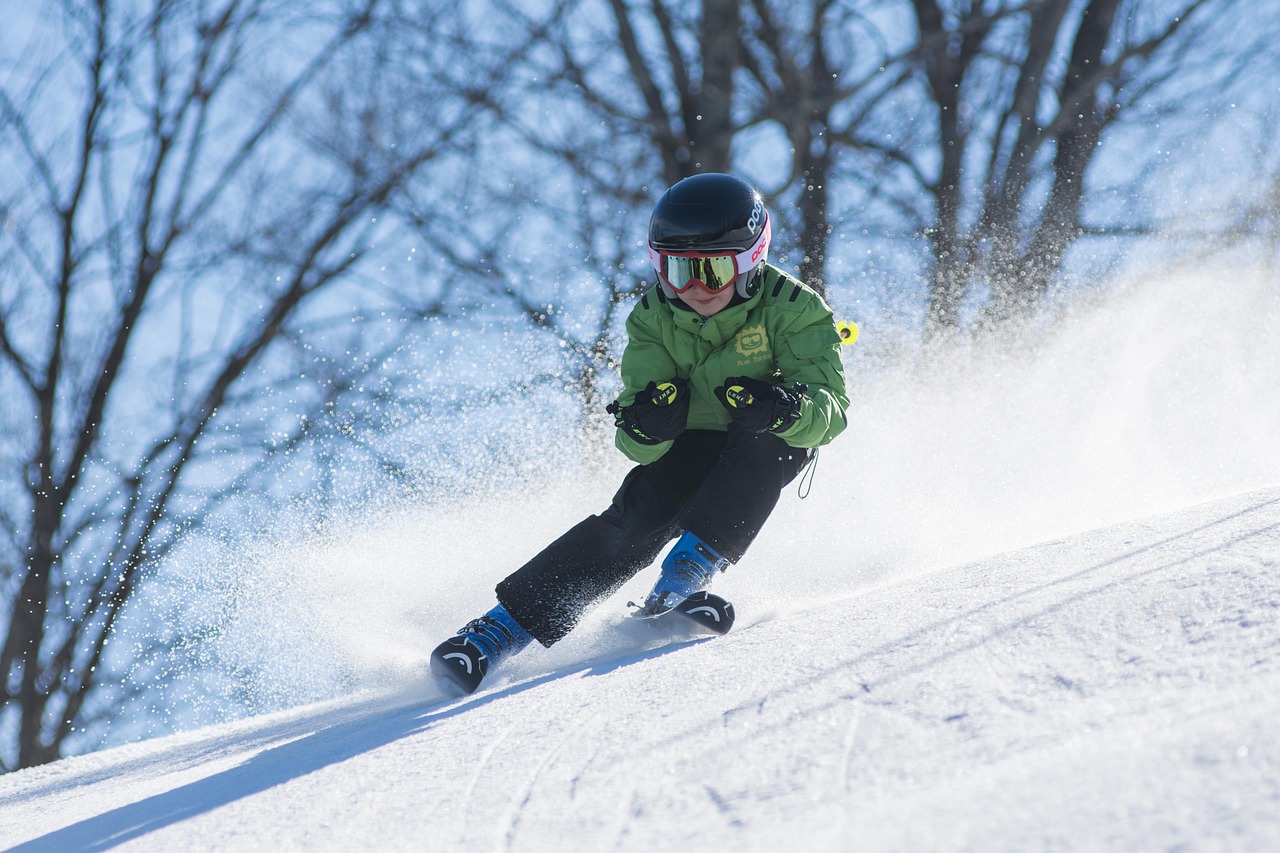
Selecting the right equipment is imperative for the safe enjoyment of winter sports. Teens should ensure that helmets fit properly and are designed specifically for snow sports. Additionally, they should consider wearing goggles for eye protection to shield against bright sun glare reflecting off the snow. Appropriate clothing is equally important; layers can help regulate body heat and prevent overheating during activity. It’s advisable to invest in moisture-wicking fabrics that will keep sweat away from the body, maintaining a comfortable temperature throughout the activity. mittens or gloves are necessary for keeping hands warm, while insulated socks can help maintain foot warmth in cold conditions. When it comes to skis or snowboards, selecting the right size and style suited for the individual’s skill level can significantly affect performance and safety. Lastly, having safety gear, such as pads for knees and elbows, can minimize the impact during falls. Therefore, parents and teens must work together to ensure all equipment is properly selected, maintained, and utilized to maximize safety while participating in winter sports.
In addition to having the right equipment, learning proper techniques for winter sports is vital for injury prevention. Teens, especially beginners, should seek professional instruction to master the basic skills of their chosen sport. Ski resorts, snowboarding schools, and ice skating rinks often offer lessons tailored to different skill levels. These classes not only teach fundamental techniques but also emphasize the importance of etiquette on the slopes and rinks. Learning how to fall correctly can help reduce the risk of injury, as does maintaining control while navigating various terrains. Teens should also learn to recognize their limits; pushing too hard or attempting tricks beyond their current abilities can lead to dangerous situations. As they progress in their skills, setting attainable goals is beneficial. Ensuring that there are opportunities for success while learning boosts confidence and keeps young athletes engaged. Throughout the learning process, continuous feedback and support from coaches and peers can foster a positive environment. A supportive community around winter sports encourages healthy competition, safety awareness, and collective well-being, all crucial for minimizing injury risks.
In case an injury does occur, knowing how to manage and respond appropriately is essential. The R.I.C.E. method—rest, ice, compression, and elevation—can significantly alleviate swelling and pain immediately following an injury. If a teen is experiencing severe pain, it is crucial to cease any activity and seek medical attention if the symptoms persist. Furthermore, after an injury, it is important to follow a rehabilitation protocol to help ensure a full recovery before returning to winter sports. A physical therapist can guide teens through various exercises and stretches to regain strength in the affected muscle or joint. Following recovery protocols diligently is essential to prevent re-injury. Furthermore, focusing on mental rehabilitation can help ease fears related to returning to the sport after an injury. Teens should be encouraged to communicate their feelings about their injury and recovery process. Understanding that setbacks are a natural part of sports can inspire resilience and determination in young athletes as they work toward getting back out on the slopes or ice. Proper management and care of injuries lay the foundation for safer future participation in winter sports.
Signs of Injury to Watch For
Teens should be educated about the warning signs of potential injuries to promote their safety while engaging in winter sports. Symptoms such as swelling, bruising, inability to bear weight on a limb, or persistent pain after an incident can often indicate a more serious problem that requires attention. Recognizing these signs can avoid serious conditions, which tend to develop in severity without early intervention. Communication with parents and coaches regarding how the teen feels during or after each session is crucial. Teens should be encouraged to listen to their bodies; pushing through pain can lead to worsening injuries. Additionally, uncharacteristic fatigue or loss of coordination may signal the need for rest. Being aware and proactive about avoiding injuries fosters a healthier attitude toward sports participation. Regular team meetings or check-ins with teens can facilitate discussions around physical and emotional well-being. Coaches can remind athletes of the importance of respecting their bodies, thus creating an environment that prioritizes health alongside performance. Maintaining a culture of safety in winter sports enriches the overall experience, ensuring lasting enjoyment for young athletes.
The importance of hydration cannot be overstated, especially during winter sports activities. It is a common misconception that the cold weather eliminates the need for hydration; in reality, hydration is critical regardless of external temperatures. Dehydration can lead to decreased performance and increased likelihood of injuries due to fatigue and muscle cramping. Teens should be encouraged to drink plenty of fluids before, during, and after any winter sports activities to maintain optimal hydration levels. Water is usually sufficient, but drinks containing electrolytes can be beneficial for longer activities. Preparing healthy snacks to replenish energy levels can also enhance performance and recovery. Foods high in carbohydrates and protein, such as granola bars or trail mix, are simple options that can easily be carried. Parents can assist in planning meals and snacks, ensuring nutritious options are readily available during winter sports outings. Regular mealtimes that coincide with sports schedules further support adequate energy levels. By emphasizing balanced nutrition and hydration, teens are better equipped to meet the demands of winter sports while promoting overall health and well-being. Positive habits rooted in nutrition and hydration can have long-lasting benefits in their sporting endeavors.
Building a Supportive Environment
Creating an encouraging atmosphere can make a significant difference in the experiences of teens participating in winter sports. Involvement from family, coaches, and peers can foster confidence and camaraderie among young athletes. Parents supporting their teens not just during competitions but also through training helps strengthen their desire to engage in winter sports. Simple actions, such as attending events, inquiring about their training, or sharing experiences, promote an affirmative connection. Coaches can play a vital role in fostering a positive team culture surrounding winter sports. By establishing a system of support, open communication, and constructive feedback, teens feel more comfortable discussing their struggles or concerns regarding sports participation. Moreover, encouraging teamwork fosters bond building among peers, improving each teen’s overall experience. Celebrating successes together maintains motivation while reinforcing a sense of community within the sport. Athletes emotionally supported by friends and family are more likely to embrace challenges and remain dedicated. Fostering this environment encourages lifelong engagement in winter sports, promoting physical fitness, fun, and community for all involved.
In conclusion, participating in winter sports can be a fantastic way for teens to experience excitement, build skills, and stay active during the colder months. However, acknowledging and addressing the potential for injuries is crucial for their well-being. Understanding prevention measures, recognizing signs of injury, selecting appropriate gear, and building a supportive environment are all essential components in ensuring a safer experience for young athletes. Through good collaboration among coaches, parents, and peers, the risks associated with winter sports can be substantially reduced, allowing teens to focus on developing their skills while enjoying their favorite activities. With the right preparation, knowledge of care, and encouragement, teens can thrive while participating in winter sports. Ultimately, instilling a culture of safety and support will empower teens to pursue their passion for winter sports responsibly and enthusiastically. This responsibility not only promotes their physical safety but also fosters emotional well-being and personal growth. Teachers and mentors alike should emphasize the positive aspects of enjoying winter sports while instilling values of teamwork, persistence, and resilience. By prioritizing a safety-first approach, we allow future generations to fulfill their winter sports aspirations meaningfully.