
Bodyweight Exercises to Improve Mobility in Your Home Workout
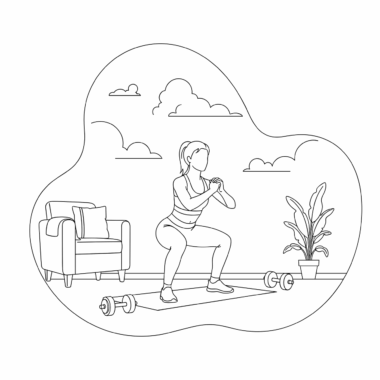
Bodyweight exercises are a fantastic way to enhance mobility at home. They can be executed without equipment, making them an accessible option for everyone. To start, consider integrating dynamic stretches into your routine. Dynamic stretches, such as leg swings and arm circles, prepare your body for movement while improving flexibility. Additionally, focus on mobility exercises like the deep squat. A deep squat will promote hip flexibility and engage multiple muscle groups effectively. Consider including a full range of motion while performing each exercise. This habit ensures optimal muscle engagement and reduces injury risk. If you’re new to these exercises, aim to incorporate them into your daily routine gradually. Begin with a handful of exercises that cover different muscle groups. Furthermore, listen to your body; rest as needed. Remember that consistency is key for achieving mobility improvements. Lastly, track your progress by noting how deep you can squat or how much flexibility you gain in shoulder movements. Celebrate these milestones as they arise. Building mobility is rewarding and essential for overall fitness and functionality.
Effective Bodyweight Exercises
To effectively improve mobility through bodyweight exercises, include movements that focus on flexibility and strength. Consider exercises such as the lunge, which enhances hip flexibility and strengthens the leg muscles. A forward lunge allows for a deeper range of motion in your hips and stretches your quadriceps effectively. Additionally, practicing the upward-facing dog is beneficial. This yoga-inspired movement opens the chest, improves spinal extension, and stretches the shoulders. Similarly, the pigeon pose is another great option that focuses on hip flexibility and can alleviate tension in tight areas. Incorporate these exercises into a balanced workout program at least three times a week. Alongside strength training, mobility work plays a significant role in functional fitness. Emphasize correctness in form while performing these exercises to maximize benefits. Combine them with strength-building exercises for a well-rounded approach. Furthermore, maintain a consistent routine, motivating yourself by noting improvements in your range of motion and performance. Resting adequately is just as important; allocate time for recovery. Your body will appreciate the balance between workout and rest, enabling better mobility improvements over time.
Don’t forget about the importance of proper warm-up techniques before starting any mobility workouts. A well-rounded warm-up prepares the muscles for the exercises ahead, reduces injury risk, and enhances flexibility. Consider engaging in a five to ten-minute general warm-up first, such as jogging in place or performing low-intensity jumping jacks. Following this, transition into specific warm-up movements that relate directly to the exercises you plan to perform. For example, if you’ll be doing lunges, include a few bodyweight lunges at a slower pace during your warm-up. This routine prepares your body and allows your joints and muscles to adjust to the activities. Moreover, maintaining proper hydration before and during your workouts is crucial. Hydrated muscles function optimally and recover quicker post-exercise. Lastly, remember that warming up helps raise your heart rate gradually, ensuring that your body is ready for more intense movements. In summary, warm-ups play a vital role in mobility workouts and should not be overlooked. Use this foundational practice as the stepping stone to a successful workout session.
Creating an Routine
When crafting a mobility-focused bodyweight workout routine, it’s crucial to keep it balanced and progressive. Start with foundational movements before progression to more complex exercises. This approach will build your strength and flexibility while reducing the risk of injury. For instance, begin with lunges and progressively add rotations for additional challenge. Structure your workouts to target different areas of the body, ensuring a comprehensive approach. For example, dedicate one session to lower body mobility, while another focuses on the upper body. Allow a minimum of 48 hours between workouts targeting the same body part to aid recovery. Additionally, vary the duration and intensity of your workouts. Experimenting can help determine how your body responds to different movements. A routine that mixes static and dynamic stretching techniques will yield optimal mobility benefits. Maintain a journal to track your exercises and their effects on your mobility. This record will help you stay motivated and assess your progress. Gradually increase the complexity of your movements as your strength and mobility enhance. Strive for growth, and be patient with your progress.
As you continue your journey in bodyweight exercises for mobility enhancement, avoid common mistakes that can hinder your progress. One significant pitfall is rushing through movements without maintaining proper form. Prioritize quality over quantity; perform fewer repetitions if this ensures better form and control. Skipping warm-up and cool-down sessions can also lead to injury and decreased flexibility gains. Always allocate time to prepare and recover your body. Listen to your body’s signals; if discomfort or pain arises, it’s advisable to modify your routine. Harder isn’t always better when it comes to mobility work. Instead, focus on feeling each movement and its impact on your body. Include recovery days in your regimen to allow your muscles to heal and grow stronger. Additionally, gauge your progress through specific goals to stay motivated. Whether it’s reaching a deeper squat or improving your overhead reach, tracking improvements can be profoundly rewarding. Celebrate these small victories as they come. A lasting benefit of prioritizing mobility is an overall enhancement in your daily functionality, helping with everyday tasks and other physical activities.
Tips for Staying Consistent
For maintaining consistency in your home mobility workout, set realistic and achievable goals that encourage continuous improvement. Focus on short-term objectives such as completing a set of exercises three times each week. Progress gradually, increasing frequency and intensity as you gain strength and flexibility. Setting reminders on your phone or creating a dedicated workout space can also increase your chances of sticking to your routine. Consider scheduling workouts at specific times during the week to build a habit. Furthermore, vary your workouts to keep them interesting and engaging; trying different exercises prevents monotony. Experimenting with new combinations can renew your motivation and enjoyment. Joining online forums or tracking your progress with a partner can also provide external encouragement and accountability. Don’t hesitate to share your goals and progress with friends or family; their support may motivate you further. Lastly, always prioritize enjoyment over exertion; if you find certain exercises tedious, substitute them with variations that you find more pleasurable. Keeping your mind engaged can significantly enhance the overall experience of mobility training, making it a rewarding and beneficial practice.
In conclusion, incorporating bodyweight exercises to improve mobility into your home workout regimen can yield significant benefits for overall fitness and well-being. Prioritizing movements that enhance strength and flexibility will elevate your physical capabilities and foster an active lifestyle. Start simply; adapt your workouts gradually, and most importantly, listen to your body’s feedback. With consistency and dedication, it’s possible to achieve remarkable mobility improvements over time. Frequently revisit your goals and adapt your workout plans accordingly to maintain motivation. Furthermore, remember that recovery and rest are integral to any effective training program. Take time to reward yourself for reaching milestones, no matter how small they may seem. In maintaining an engaging and enjoyable workout environment, you are more likely to stay committed to your goals. As your mobility improves, you’ll notice enhanced daily functionalities that will directly impact your quality of life. Allow this improvement journey through bodyweight exercises to uplift not only your physical health but your mental wellbeing as well. Strive to balance your efforts and embrace longevity in your fitness endeavors as you cherish every step of the way.