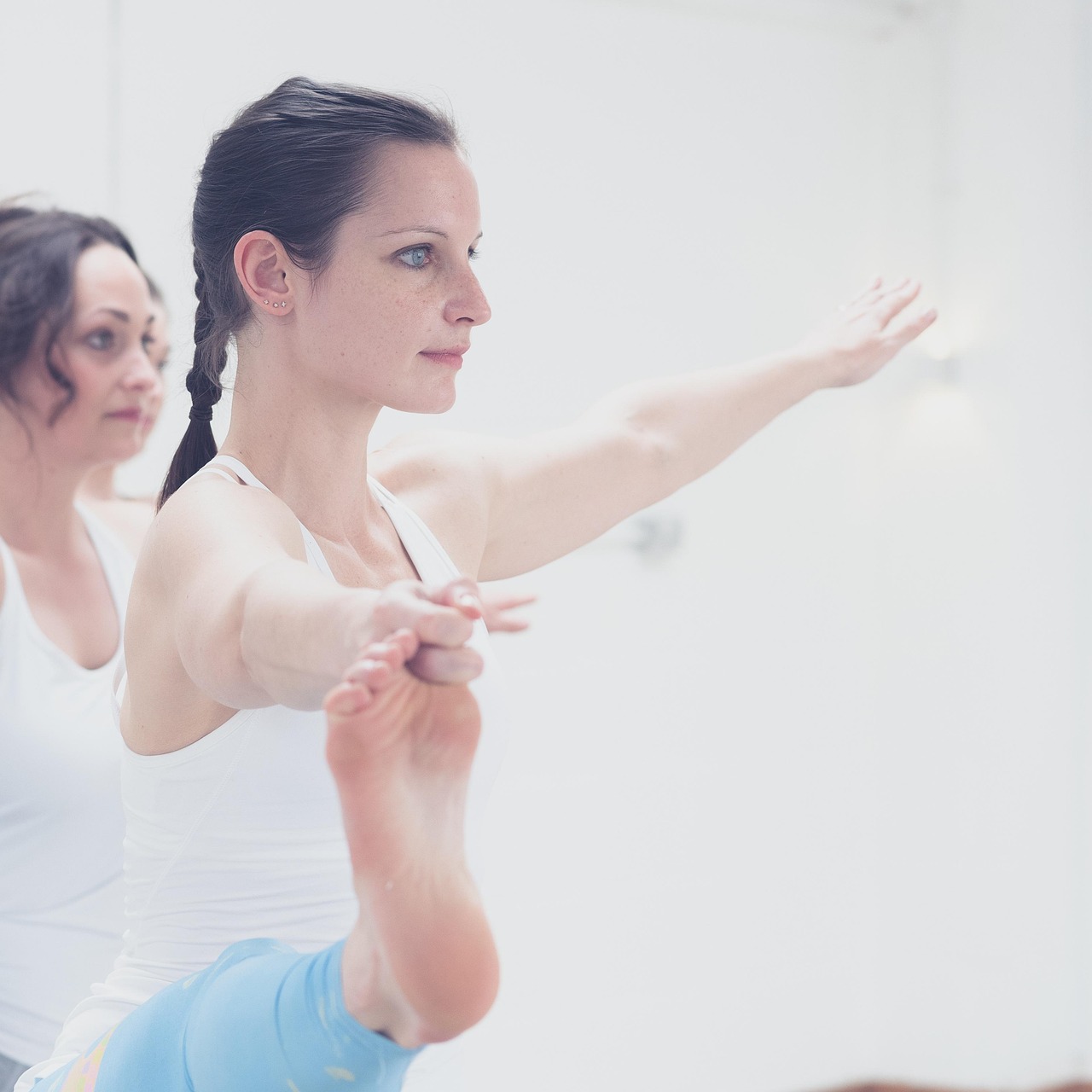

Daily Yoga Practices to Maintain Optimal Flexibility and Mobility
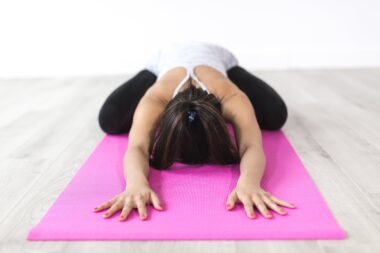
Practicing daily yoga can significantly enhance your flexibility and mobility, helping to prevent injury and improve overall physical health. Incorporating various yoga poses into your routine engages multiple muscle groups while promoting gentle stretching. These practices help improve the range of motion in your joints and lengthen your muscles, leading to better posture and balance. Many yoga poses involve dynamic movements, which can also boost circulation and flexibility. Consider spending time each day focusing on positions tailored specifically for these attributes. Additionally, when combined with deep breathing, yoga helps release tension built up in the body, allowing for a more relaxed and fluid experience overall. Some effective poses to include are Downward Dog, Pigeon Pose, and Child’s Pose. Notably, it is essential to listen to your body during these postures and avoid pushing beyond your comfort level to minimize the risk of injury. Over time, you’ll notice significant improvements in your body’s functionality, ultimately contributing to a more active and fulfilling lifestyle while achieving optimal flexibility.
One key aspect of developing flexibility through yoga is consistency. Making it a daily practice, even if it is just for a few minutes, can yield remarkable results. Establishing a routine helps in creating muscle memory and improves your body’s responsiveness, which is essential in mastering different postures. Incorporate specific stretches focusing on different areas such as hips, back, and shoulders. Integrating a balanced mix of restorative and dynamic poses allows your body to recover while also being challenged. Furthermore, consider utilizing props such as blocks and straps, which can assist in achieving deeper stretches while maintaining form. This support is particularly beneficial for beginners who are still learning the correct alignment in each pose. Remember that yoga for flexibility is not about achieving the perfect pose but about understanding your body as it adapts and grows stronger. Don’t be afraid to modify poses based on your comfort level. This adaptability and gentle approach will serve to enhance your yoga experience and boost your overall physical health greatly.
Best Poses for Flexibility
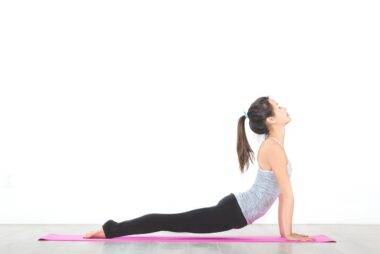
Some yoga poses particularly enhance flexibility in a variety of muscle groups while promoting relaxation. The Cobra Pose is excellent for opening the chest and stretching the lumbar spine while improving flexibility in the hips, opening up tight areas of stiffness. The Butterfly Pose targets the inner thighs and groin region improving hip flexibility, while Seated Forward Bend greatly enhances hamstring and lower back flexibility. Pigeon Pose works on the hip flexors, glute muscles, and deeply stretches the groin area. These postures, among others, help in opening up the body’s tight areas while minimizing the risk of injury. Aside from the physical benefits, these stretches encourage a sense of mindfulness and focus on breathing, vital components of a positive yoga practice. Practicing these poses consistently, whether in a dedicated class or at home, will contribute significantly to your overall flexibility. Ultimately it’s about finding the right poses that work for your body and maintaining balance as you challenge yourself through yoga practices for improved mobility and flexibility.
Incorporating breathing techniques such as Ujjayi Pranayama can further enhance your yoga practice for flexibility. This technique emphasizes controlled breathing, promoting relaxation and increased oxygen flow during your practice. By focusing on your breath, you enhance your mindfulness, ensuring that you remain present while performing each pose. As you engage in deeper, controlled breathing, this often encourages the body to relax into stretches, allowing greater flexibility and depth in poses. Remember, the aim is not only to push through discomfort but to find comfort in the stretch. Observing your body’s signals and tuning in to your breath can lead to a more profound practice. This creates less stress and maximizes benefits over time. Consider integrating this technique into your daily practice as you move through each posture. Practicing yoga alongside these breathing exercises will allow for a more enriching experience, promoting better mobility and flexibility. Moreover, this holistic approach includes both physical and mental well-being, which is essential when engaging in any physical activity for optimal health.
Recommended Daily Routine
A suggested daily yoga routine for optimal flexibility may include a warm-up followed by targeted poses and concluded with relaxation. Start with breathing exercises to center your mind and body, preparing for the practice ahead. Then, transition into poses such as the Sun Salutations to warm up the muscles effectively. From there, include a mix of poses addressing major muscle groups, such as Downward Dog, Cat-Cow, and Bridge, to engage and stretch your body fully. After performing these effective stretches, conclude your session with gentle calming poses like Corpse Pose or Legs-Up-the-Wall. These help to release any built-up tension and encourage relaxation, integral to your overall well-being. This sequence can be adjusted to fit your available time and individual needs. With practice, you will observe enhanced flexibility and improved mobility over time. It is vital to listen to your body throughout this routine and ensure that any movements feel comfortable to you. Keep in mind that yoga is about personal growth and understanding, so explore different poses at your own pace.
Joining a yoga class or group can greatly benefit your journey towards improved flexibility and mobility. A qualified instructor can provide guidance, helping to refine your technique and ensure that postures are performed safely and correctly. Moreover, being a part of a community encourages motivation and accountability, which can be incredibly beneficial when striving to maintain a consistent practice. Group sessions also empower you to learn from others, as observing fellow practitioners can inspire you and introduce new techniques or routines. Additionally, exploring various styles of yoga can uncover new paths to flexibility, as different practices may approach mobility from unique angles. Finding joy in your practice is essential, as this makes going to class an enjoyable and enriching experience. While individual practice at home has its perks, engaging with others can elevate your learning experience and foster deep connections with fellow yoga enthusiasts. Sharing your journey offers additional encouragement and may play an integral role moving forward, helping you to keep up a sustainable practice focused on flexibility and mobility.
Final Thoughts
In conclusion, maintaining optimal flexibility and mobility through daily yoga practices is a rewarding journey that unfolds over time. The combination of breath, movement, and mindfulness contributes to holistic well-being, supporting the physical body while also nurturing the mind. As you engage in your practice, take time to reflect on your progress – each small improvement is significant. Establishing a routine that encompasses poses focusing on flexibility paired with breathing techniques will undeniably enhance your overall experience. Remember to remain patient and kind to yourself; flexibility comes gradually, and each session helps build a stronger foundation. Enjoy the process as you explore different yoga styles and poses that resonate with you personally. This journey requires commitment, yet the physical and mental benefits make every moment worthwhile. Lastly, don’t hesitate to share your practice with others. Together, you can celebrate successes and motivate one another on this journey toward optimal flexibility. Feel the difference it makes in your daily life, ultimately promoting longevity, health, and well-being.
The significance of yoga for flexibility and mobility cannot be overstated, given its ability to improve quality of life while ensuring physical resilience.