
Exercise and Mucosal Immunity: Preventing Upper Respiratory Infections
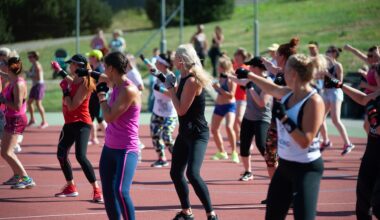
For many athletes and active individuals, the concern about upper respiratory infections (URIs) is paramount. Research suggests that regular, moderate exercise has a positive effect on the immune system. This phenomenon, however, is often accompanied by a duality. Intense, prolonged exercise may lead to heightened stress on the body, potentially resulting in an increased risk of infections. The mucosal immunity, which serves as a frontline defense, becomes significant in this context. Exercising influences the immune hormone responses, thereby providing essential immunological benefits. When the body engages in physical activity, it produces antibodies and other immune components that might help protect against pathogens. Furthermore, these benefits are not limited to professional athletes; they are relevant to casual exercisers as well. By enhancing mucosal immunity, one can bolster the body’s first line of defense against invading pathogens. Therefore, understanding this delicate balance becomes crucial for those interested in optimizing their health. Key lifestyle choices, such as diet and supplementation, along with appropriate exercise, can significantly influence immunity. Thus, the interaction between exercise and immunity is warranting further investigation, as both factors can culminate in beneficial health outcomes for all.
The Role of Mucosal Immunity
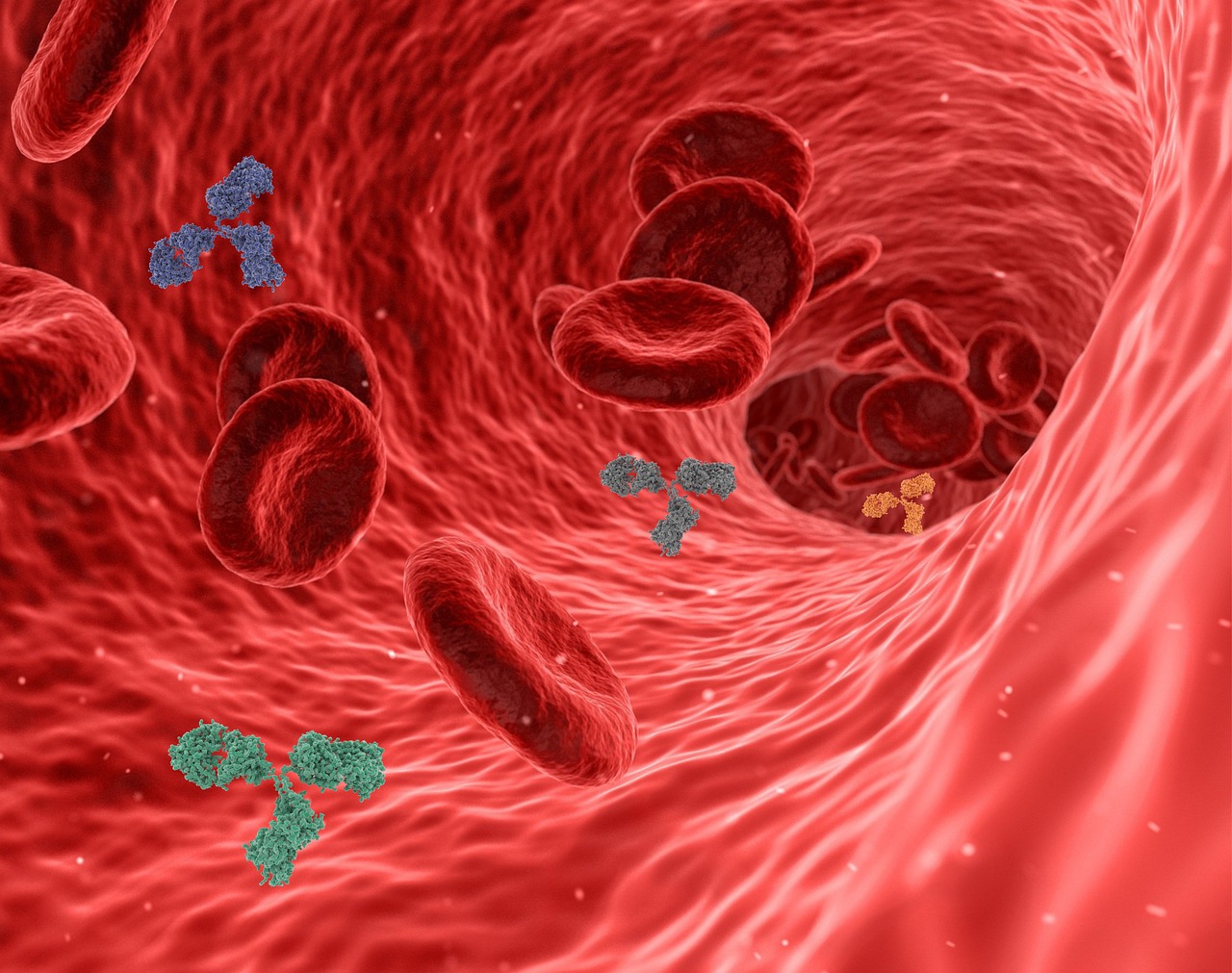
Mucosal immunity is pivotal in defending against pathogens, particularly in the respiratory tract. It consists of various components, including secretory immunoglobulin A (sIgA), which plays a critical role in mucosal defense. sIgA serves as the first line of defense by neutralizing pathogens before they breach epithelial barriers. The exercise-induced enhancement of sIgA levels can significantly reduce susceptibility to URIs. Additionally, the mucosal surfaces are not only protective but also communicate pleiotropic signals essential for immune function. A strong training regimen could lead to better maintenance of mucosal integrity and response. Interestingly, factors influencing this response include exercise intensity, duration, and frequency. Moderate exercise often correlates with the most beneficial outcomes, while excessive exertion could lead to immune suppression. This dichotomy underlines the importance of finding equilibrium in training regimens to encourage optimal health. Research confirms that regular moderately intensive exercise supports overall immune function. Therefore, incorporating sufficient rest and recovery into training programs is paramount. Athletes and trainers alike should consider these findings in the planning of training schedules to promote effective immunity and performance.
Effects of Exercise on Upper Respiratory Infections
Numerous studies have examined the correlation between exercise and the incidence of URIs. It has been shown that individuals engaging in regular physical activity experience fewer days of illness compared to sedentary peers. Moreover, the timing of exercise also plays a crucial role in determining one’s susceptibility to infectious diseases. Individuals who exercise moderately are less likely to report incidents of URIs than those who either do not engage in regular physical activity or engage in excessive training. Epidemiological data provide compelling evidence supporting these findings, suggesting that exercise can enhance mucosal immunity, thereby reducing infection rates. Additionally, walking, jogging, and recreational sports have emerged as suitable alternatives promoting overall respiratory health. However, the specific effects can vary widely based on individual factors such as genetics, nutrition, and existing health conditions. Healthy dietary choices are equally important, ensuring that the body receives the necessary micronutrients that affect immune responses. It is essential to take into account both exercise and nutrition in developing a comprehensive approach to reduce the risk of URIs. Multifactorial strategies can empower individuals to maintain optimum health within physical activity contexts.
When considering exercise and its immune-modulating effects, the necessity of proper hydration cannot be overstated. Hydration is crucial for maintaining optimal physiological processes, including those associated with the immune system. A well-hydrated body promotes better circulation, allowing immune cells to act more efficiently against potential infectious agents. Dehydration can diminish the function of mucosal barriers and reduce sIgA production, which can lead to an increased risk of infections. Therefore, athletes and individuals engaging in regular exercise should remain vigilant about their hydration status, adjusting fluid intake according to activity levels and environmental conditions. Furthermore, the consumption of fluids containing electrolytes can enhance hydration, particularly during intense exercise. Additionally, maintaining proper hydration can enhance recovery and promote overall well-being, allowing athletes to perform optimally. Fueling the body with an adequate amount of fluids, ideally before, during, and after exercise, serves to maximize immune function. Simple strategies, such as monitoring urine color and establishing hydration plans, can help maintain this focus. Thus, hydration constitutes a foundational component of exercise and immune balance, significantly influencing performance and health outcomes.
Nutrition and Exercise Immunology
A well-rounded nutrition plan is indispensable in supporting exercise-induced immunity. Essential vitamins and minerals act as co-factors in various enzymatic reactions crucial for optimal immune function. Micronutrients like zinc, vitamin C, and vitamin D have gained particular attention for their immune-boosting properties. Incorporating foods rich in these nutrients can promote enhanced mucosal immunity and overall health. Fruits and vegetables, in addition to lean proteins, should be a staple in an athlete’s diet. Specific dietary components, such as probiotics and omega-3 fatty acids, also present viable options in bolstering immune resilience. Probiotics, commonly found in fermented foods, help maintain gut health and modulate immune responses. Omega-3s may furthermore reduce inflammation following exercise, helping with recovery. The timing of nutrient intake is crucial too, as pre- and post-exercise nutrition can optimize recovery and support immune health. Understanding the links between nutrition, exercise, and immunity could pave the way towards improved strategies in preventing URIs. As research continues to evolve, dietary recommendations tailored to improve immunological outcomes in athletes should be prioritized for effective performance. Thus, the intersection of diet and exercise remains a vital area meriting further exploration.
In addition to nutrition and hydration considerations, sleep plays a pivotal role in overall immune function. Adequate sleep is vital for recovery and repair processes within the body, including those necessary for maintaining immune health. Lack of sleep can lead to increased inflammation and stress levels, negatively impacting mucosal immunity. Sleep deprivation has shown to lower circulating levels of key immune markers, which can heighten susceptibility to infections, including URIs. Optimal sleep hygiene not only enhances recovery but is also essential for athletes aiming to bolster immunity. Strategies for improving sleep quality include maintaining regular sleep schedules, creating a conducive sleeping environment, and minimizing screen time before bed. Fostering a consistent routine can enhance the quality of rest, subsequently improving performance and well-being. Prioritizing sleep may be a straightforward yet often overlooked aspect of any fitness regimen, with significant ramifications for immune function. In conclusion, when it comes to preventing URIs in athletes, a holistic approach integrating effective training, nutrition, hydration, and sleep is imperative. Only through a balanced lifestyle can the body truly safeguard against infections while performing at its best.
Conclusion: Holistic Approaches
In light of the myriad factors influencing exercise and mucosal immunity, adopting a holistic approach is crucial for maximizing health outcomes. Recognizing the interconnectedness of exercise, nutrition, hydration, sleep, and stress management fosters a comprehensive strategy for enhancing resilience to URIs. Regular exercise remains a beneficial component of an active lifestyle, provided it is balanced appropriately with other aspects of health. Furthermore, nutritional awareness is essential for supporting immunological functions and overall performance. Incorporating nutrient-rich foods can optimize recovery, improve athletic performance, and mitigate the risks associated with upper respiratory infection. Adequate hydration and sleep should also be prioritized to facilitate recovery, maintenance of mucosal barriers, and effective immune response. Understanding individual variability in responses to exercise and stress factors is essential for tailoring health strategies to maximizing personal success. By encompassing all these elements, individuals can equip themselves better to face physical challenges while minimizing health risks. Consequently, the promotion of exercise and immunity should focus on the synergistic effects achieved through lifestyle choices. Ongoing research will enhance our understanding of these intricate relationships, potentially leading to innovative practices that support athletic excellence and robust immune health.
Overall, integrating all these lifestyle considerations empowers individuals to navigate the challenges of exercise and health effectively. The comprehensive strategies that include moderate physical activity, proper nutrition, hydration, and adequate sleep, become essential tools in the pursuit of enhancing immunity and reducing the frequency of upper respiratory infections. Continued education and research in exercise immunology will deepen our understanding of these complex interactions and how they impact health outcomes. The present focus should remain on encouraging physical activity while ensuring that lifestyle behaviors support an individual’s immune system in an optimal manner. Athletes, coaches, and health professionals must work cohesively, sharing knowledge and insights to foster an environment where well-being is achieved through informed decision-making. In doing so, we create opportunities to thrive, both physically and mentally, in a world where maintaining health is increasingly challenging. Ultimately, understanding the nuances of exercise and mucosal immunity is integral to protecting health and ensuring sustained athletic performance. Emphasizing a holistic perspective remains key to minimizing upper respiratory infections and maximizing the benefits of physical activity for individuals while empowering them to reach their potential.