
How Dance Fitness Improves Balance and Flexibility in Seniors
As seniors age, maintaining physical health and wellness becomes vital to their overall well-being. Dance fitness serves as a fun exercise that targets balance and flexibility. It enhances physical activity levels in a joyful and encouraging environment. Engaging in dance allows for social interaction which benefits mental health. Moreover, it sets a positive tone, motivating seniors to stay active regularly. When seniors participate in dance fitness, they significantly risk reducing falls by enhancing their balance. Improved coordination elevates stability, ensuring more confidence during everyday activities. Flexibility is crucial, particularly as it aids in injury prevention and helps maintain mobility. Stretching during dance warm-ups and cool-downs allows seniors to improve their range of motion efficiently. Additionally, dance fitness incorporates various movements that strengthen core muscles essential for balance. Fun rhythms motivate seniors to keep going despite the challenges. Also, dance routines help stimulate mental faculties, keeping the brain engaged while moving the body. All these elements together contribute to a holistic improvement in health, creating a vibrant lifestyle. Dancing not only impacts physical aspects, but enriches the quality of life, making it an invaluable choice for fitness.
The Benefits of Dance Fitness
Dance fitness offers various advantages targeting both physical and emotional health. Firstly, it promotes cardiovascular health through increased heart rates when dancing. Good heart health reduces the risk of diseases like heart attacks and strokes, which are common in seniors. Secondly, participants often enjoy the camaraderie that forms in dance settings. This sense of community encourages socialization, counteracting loneliness and isolation. Moreover, music enhances mood and motivation, often encouraging more significant participation periods. Dance fitness also helps improve strength and muscle control, essential for daily routines. This fitness can lead to enhanced independence among seniors, allowing them to perform everyday tasks with ease. Engaging in dance movements allows seniors to use several muscle groups, resulting in a full-body workout. It also acts as a stress reliever, producing endorphins that uplift mood. Additionally, dance fitness is adaptable to different skill and physical levels, making it accessible for all. Finally, it often incorporates elements of rhythm and coordination, providing cognitive benefits that promote mental agility. Thus, engaging in dance fitness emerges as a multifaceted solution that enhances the overall quality of life for seniors, blending fun with functional benefits.
Adaptability of Dance Styles
Dance fitness accommodates various styles appealing to diverse preferences among seniors. Whether it’s Zumba, line dancing, or ballroom, each offers unique benefits that cater to individual tastes. The ability to choose dance styles ensures that seniors remain motivated to participate. Zumba, for instance, integrates Latin rhythms into fitness routines, making them lively and enjoyable. This style enhances cardiovascular endurance while strengthening muscles simultaneously. Line dancing is equally effective, offering structured movements that minimize the risk of falls. It’s an excellent alternative for those who appreciate routine and consistent choreography. For those who enjoy partner dancing, ballroom styles provide social interaction along with fitness. This social engagement enhances mental well-being, positively impacting overall health. Furthermore, dance classes can be modified to accommodate seniors with varying mobility challenges. It embraces inclusivity and promotes confidence as participants progress in their abilities. Instructors create supportive environments that encourage all participants to succeed regardless of their dance experience. By embracing this adaptability, dance fitness can transcend limitations, ensuring that seniors continue to enjoy an active lifestyle while developing significant connections within their communities.
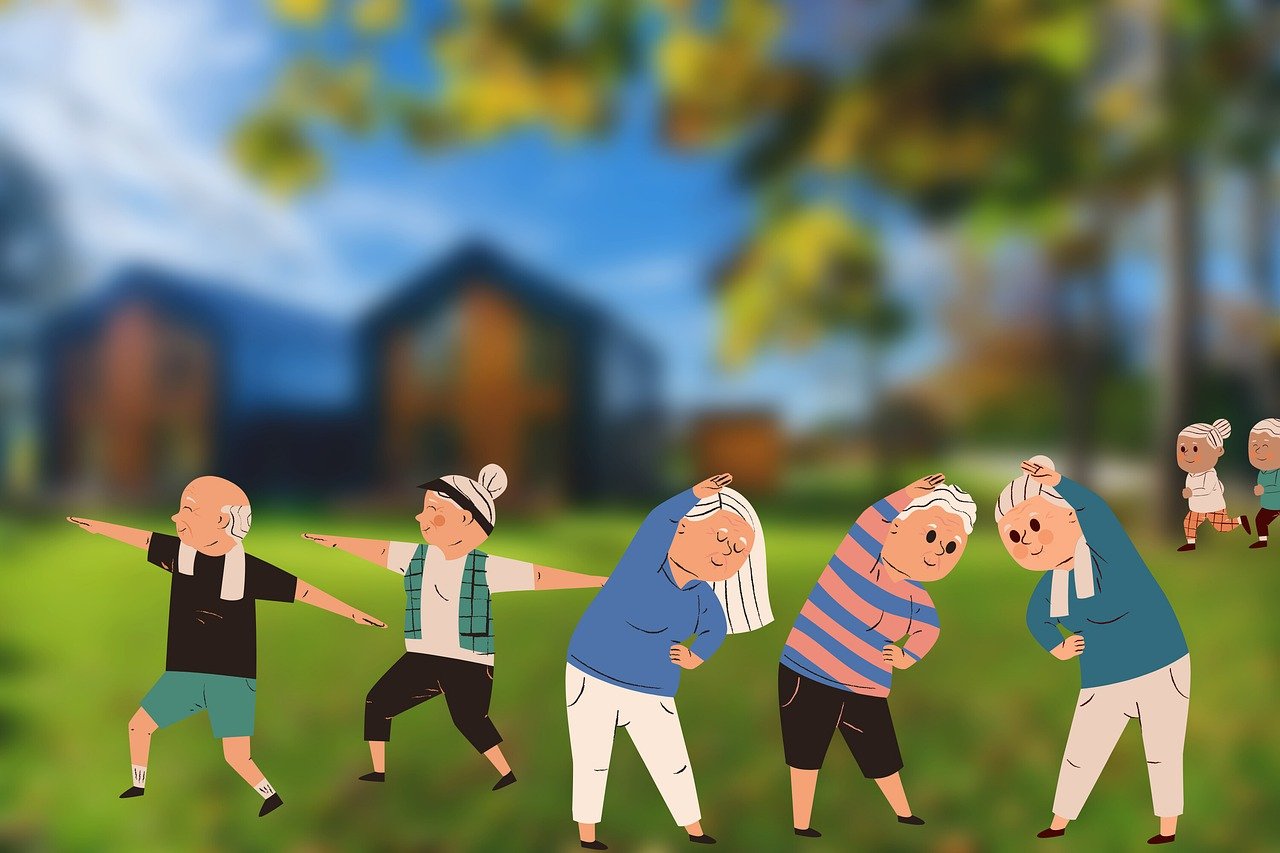
One of the primary focuses of dance fitness is enhancing balance and stability in seniors. Working on balance through dance movements helps improve proprioception, which plays a crucial role in spatial awareness. Proprioception enables individuals to understand their body’s position relative to their surroundings. As dance requires continuous shifting of weight and movement, seniors effectively challenge their balance. Incorporating turns and weight transfers engage stabilizing muscles, refining balance skills over time. Additionally, dance improves posture, reducing risks associated with poor alignment, such as back pain. A proper dance technique encourages core engagement, enhancing stability while navigating various movements. By regularly practicing dance fitness, seniors enhance their overall balance capabilities, which significantly reduces the likelihood of falls. This aspect, in turn, contributes to sustaining independence. Moreover, instructors often provide modifications to suit each participant’s ability, ensuring no one gets left behind. Celebrating achievements fosters a sense of community among dancers. All of these elements culminate in improved fitness levels, allowing seniors to feel empowered in their physical abilities. Through structured routines, seniors create a supportive environment where balance becomes a primary focus, enhancing their quality of life in numerous ways.
Flexibility is another crucial component that dance fitness emphasizes for seniors. As age progresses, flexibility tends to diminish, leading to stiffness and discomfort in joints. Dance fitness encourages stretching and dedicated movement that promotes increased flexibility over time. Warm-up and cool-down routines focus on these properties, paving the way for enhanced mobility. Proper warm-up routines help ease muscles and prepare them for the various activities involved in dance. Engaging in frequent dance sessions allows seniors to experience visible gains in flexibility gradually. Gaining flexibility not only improves dance performance but decreases the risk of injuries. Active seniors often experience fewer issues such as strains, sprains, and other muscle-related ailments. Additionally, stretching exercises enhance circulation, promoting overall joint health. This equilibrium contributes positively to sustaining an active lifestyle. Many instructors incorporate flexibility routines into dance classes, making it accessible for everyone. Gradually increased flexibility leads to improved posture, reducing discomfort and enhancing the overall dancing experience. Furthermore, developing flexibility fosters a sense of accomplishment, motivating seniors to remain engaged with their fitness journey. Completion of dance movements excites participants as they see firsthand the benefits from their regular practice.
Incorporating dance fitness into senior living offers numerous long-term health benefits. As physical activity becomes essential for maintaining healthy living, dance provides suitable alternatives that resonate with seniors. Engaging minds and bodies concurrently is crucial for sustaining healthy living into advanced age. Regularly participating in dance routines creates an enduring habit leading to a healthier lifestyle among seniors. Additionally, benefiting from the positive impacts of dance influences other aspects of their lives. With heightened physical fitness, seniors experience improved energy levels, spurring greater participation in social events or community activities. Enhanced social connections through dance elevate emotional well-being, leading to joy and fulfillment. Furthermore, the release of endorphins during dance promotes natural happiness, fostering positive mental health. The motivational aspect of dance also encourages seniors to discover and set new fitness goals, broadening their capabilities. By continually participating in a structured fitness program, seniors cultivate resilience and determination, key traits for navigating life’s challenges. Dance strengthens not only the body but also cultivates an enriched lifestyle. Therefore, seniors who adopt dance fitness reap benefits that extend well beyond physical advancements, embracing a holistic approach to their overall health.
In conclusion, dance fitness emerges as an engaging and effective solution for enhancing balance and flexibility among seniors. The multifaceted benefits contribute to improved health, socialization, and mental well-being. As it fosters environments promoting inclusivity, seniors discover joy in maintaining their fitness levels through various dance styles. In addition, structured routines develop not only their physical capabilities but also cultivate essential life skills such as confidence and social interaction. By purchasing dance classes, seniors gain the chance to connect with others while pursuing fitness goals. The adaptable nature of dance accommodates individual abilities, ensuring it remains accessible to all. Achieving enhanced balance and flexibility stands as a critical factor in reducing fall risks, ultimately supporting independence. The positive impacts of dance extend to emotional health, promoting resilience and happiness. Throughout their journeys, seniors experience the delight of a rewarding community, propelling them forward. Thus, the burgeoning popularity of dance fitness signifies a powerful movement toward healthier aging. As seniors continue to engage in dance fitness, their lives enrich with fulfillment, vitality, and joy, establishing it as a vital and delightful aspect of their wellness strategies.