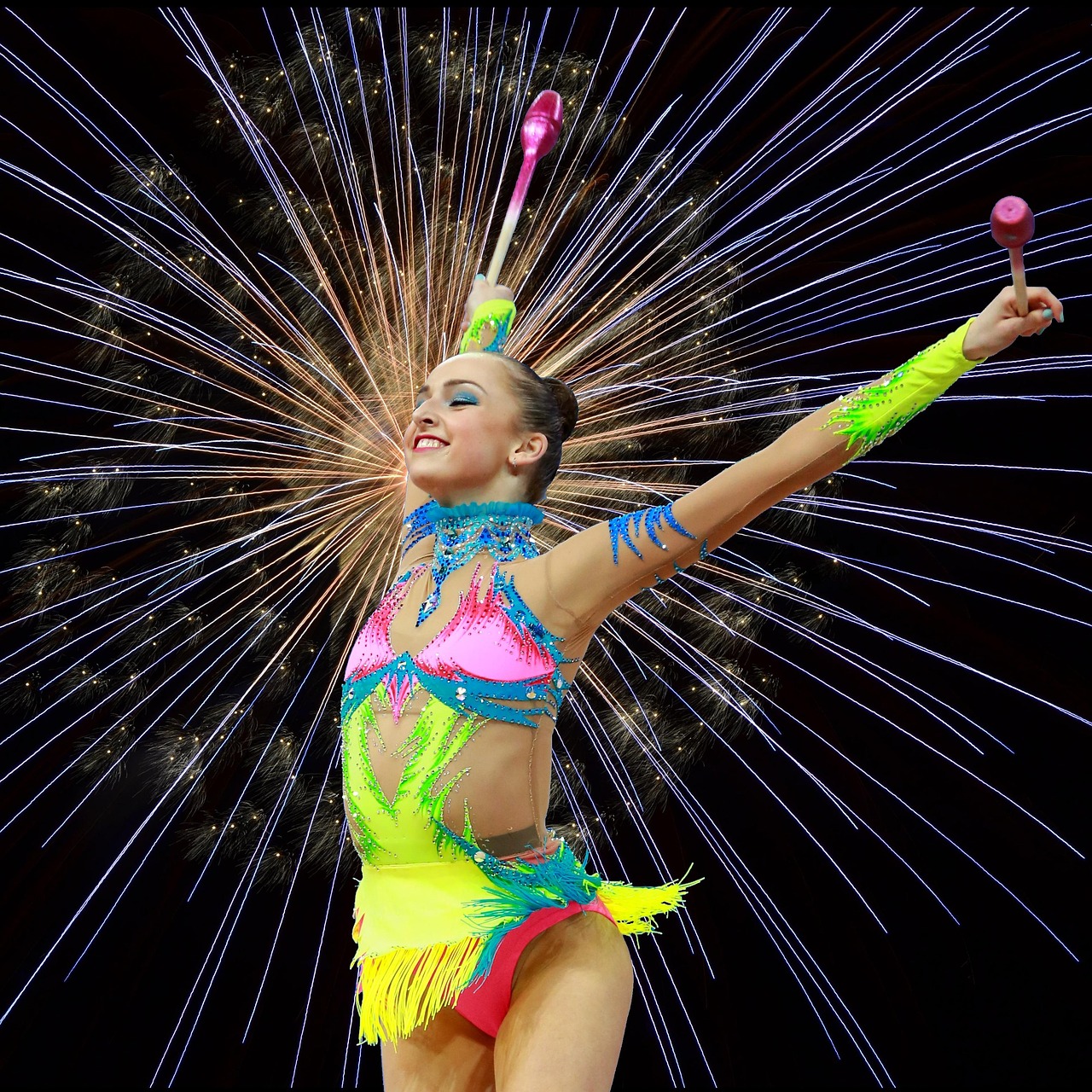

How Flexibility Affects Your Vault Performance
For gymnasts, flexibility is a cornerstone of performance, particularly during vault exercises. Being flexible enhances the range of motion in joints and muscles, which allows for smoother, more powerful movements. Gymnasts who engage in regular flexibility training can execute their vaults with increased agility and effectiveness. A crucial benefit of flexibility lies in its ability to reduce the risk of injuries, especially during high-impact activities such as vaults. Improved flexibility helps prevent strains and sprains by allowing the body to absorb and adapt to dynamic movements. Notably, there are various methods to enhance flexibility, such as dynamic stretching, static stretching, and proprioceptive neuromuscular facilitation (PNF). Engaging in a combination of these methods can optimize a gymnast’s performance on the vault apparatus. Moreover, it is essential to integrate flexibility exercises into a comprehensive training routine rather than treat them as an ancillary activity. This approach ensures that gymnasts not only can generate the necessary power but also maintain the fluidity to perform complex vaults seamlessly and confidently. Ultimately, flexibility’s role in gymnastics is a vital factor in achieving peak athletic performance.
To develop optimal flexibility for vaults, specific exercises are essential. Incorporating routines focusing on the hips, shoulders, and legs helps target key areas affecting performance. Examples of specific exercises include split stretches, shoulder dislocations, and hamstring stretches. These stretches can be performed both dynamically and statically, emphasizing controlled movements that increase blood flow to the muscles. A targeted flexibility routine should begin with warm-up activities that gradually increase heart rates and promote flexibility. Implementing both static and dynamic stretching into practice schedules can maximize effectiveness. Gymnasts should also focus on breathing techniques during flexibility training, helping facilitate muscle relaxation. This can enhance the depth of each stretch, yielding better results. Consistent engagement in flexibility workouts throughout the week, ideally several times, ensures continuous improvements. Additionally, gymnasts must listen to their bodies to avoid overstretching or injuries. Overall, a balanced approach to flexibility training directly contributes to better performance on vault, enabling a gymnast to execute complex routines with confidence and precision. When flexibility is prioritized, it breeds a deeper understanding of body mechanics, essential for competitive success.
Nutrition complements flexibility training in significant ways, contributing to overall athletic performance. Proper fueling of the body aids recovery and enhances muscle function. A diet rich in proteins, vitamins, and minerals plays a critical role in muscle repair and growth. Moreover, staying hydrated before and after flexibility sessions is vital for maintaining muscle elasticity and function. Electrolytes also play an essential role in muscle contractions and recovery, making them important for gymnasts. Additionally, a well-rounded diet can improve overall energy levels, allowing athletes to engage fully in their training regimens. Specifically, nutrients such as omega-3 fatty acids can help reduce inflammation in muscles and joints, promoting a quicker recovery. Consuming lean proteins, whole grains, and an abundance of fruits and vegetables provides the necessary nutrients that support enhanced flexibility and overall performance in the vault and other disciplines. Maintaining a food diary can help gymnasts ensure they’re meeting their nutritional needs. A committed approach to nutrition, paired with flexibility training, equips gymnasts with the tools necessary for maximized success in their vault performance and future endeavors.
Measuring Flexibility Improvements
The flexibility of gymnasts can be quantified using various assessment methods. For instance, the sit-and-reach test and shoulder flexibility test are widely used to gauge flexibility gains over time. Consistently tracking progress allows gymnasts to understand how their training influences their abilities. Moreover, improvements in flexibility should be noted in conjunction with performance metrics during vault routines. This offers insight into whether there are direct correlations between flexibility training and successful vault execution. A well-documented assessment can also help adjust training plans to better suit individual needs. By establishing benchmarks, gymnasts can assess their strengths and areas for enhancement. It’s advisable to conduct these assessments every few weeks to maintain a proper perspective on flexibility gains and performance. Coaches can also observe and provide feedback on a gymnast’s form and technique during vault performance, crucial for safe execution of advanced moves. Effective communication and feedback can further strengthen flexibility training by allowing gymnasts to understand how their flexibility translates into performance. Such approaches ensure lasting improvements in vaulting prowess.
Incorporating flexibility training into a gymnast’s routine requires commitment and persistence. Developing advanced flexibility entails time investment and consistency; therefore athletes should regard it as an ongoing process. To maintain motivation, gymnasts should set realistic, achievable goals that outline their flexibility milestones. This goal-setting serves to break down training into manageable chunks, fostering a sense of accomplishment as they progress. Additionally, combining flexibility exercises with enjoyable activities, like dancing or yoga, can enhance enjoyment and adherence to training schedules. Moreover, group training sessions can also provide camaraderie, encouraging gymnasts to push each other in their flexibility endeavors. Celebrating small successes can significantly motivate athletes, reinforcing the importance of flexibility in their vault performance. Encouraging a positive, supportive atmosphere in training can foster commitment and persistence in gymnasts, necessary for long-term development. Furthermore, understanding and visualizing how improved flexibility enhances performance can serve as a powerful motivator. Through dedication and support, gymnasts can achieve desired flexibility levels that directly impact their capabilities and efficiency during vault routines.
The Mental Aspect of Flexibility
While physical flexibility is crucial, the mental aspect must not be overlooked. Flexibility training helps develop not only physical attributes but also mental resilience. Gymnasts regularly practicing stretching routines can gain better control over their bodies, significantly influencing their confidence. This confidence translates onto the vault as they perform complex moves and transitions. Mental focus enhances the ability to execute drills and routines effectively, reducing the likelihood of errors during performance. Visualization techniques can be employed to reinforce understanding of body mechanics through each vault routine. By mentally rehearsing execution, athletes become more accustomed to the movements involved, promoting muscle memory. The cultivation of a positive mindset should be woven into flexibility training, encouraging athletes to visualize their successes in vault routines. Furthermore, combining mindfulness practices with flexibility sessions can enhance both focus and overall performance. Gymnasts who effectively balance mental and physical training can achieve holistic development, providing a comprehensive approach toward excellence. Therefore, prioritizing mental aspects in conjunction with physical exercises enhances every gymnast’s performance at the vault and beyond.
Finally, establishing a support system among coaches and peers greatly benefits gymnasts’ flexibility training. Coaches play crucial roles in setting up training routines tailored for individual gymnasts, identifying their unique flexibility needs, and providing constructive feedback. Peers can offer motivation and camaraderie, promoting friendly competition that encourages continuous improvement. Interplay in teams also fosters accountability, as athletes encourage one another to commit to their flexibility routines. Sharing tips and techniques among teammates can enhance everyone’s training experience, creating a culture of support and positivity. This environment not only encourages growth but also diminishes the risks of injuries, as athletes learn to spot potential misalignments during their training sessions. Furthermore, participating in group workshops or flexibility camps can introduce fresh ideas and methods for developing flexibility. Collaborating with professionals in the sport creates opportunities for gymnasts to discover techniques they may not have encountered otherwise. Weaving a network of support around gymnasts promotes a holistic approach to their flexibility training, improving performance overall on the vault and other apparatus they may encounter.