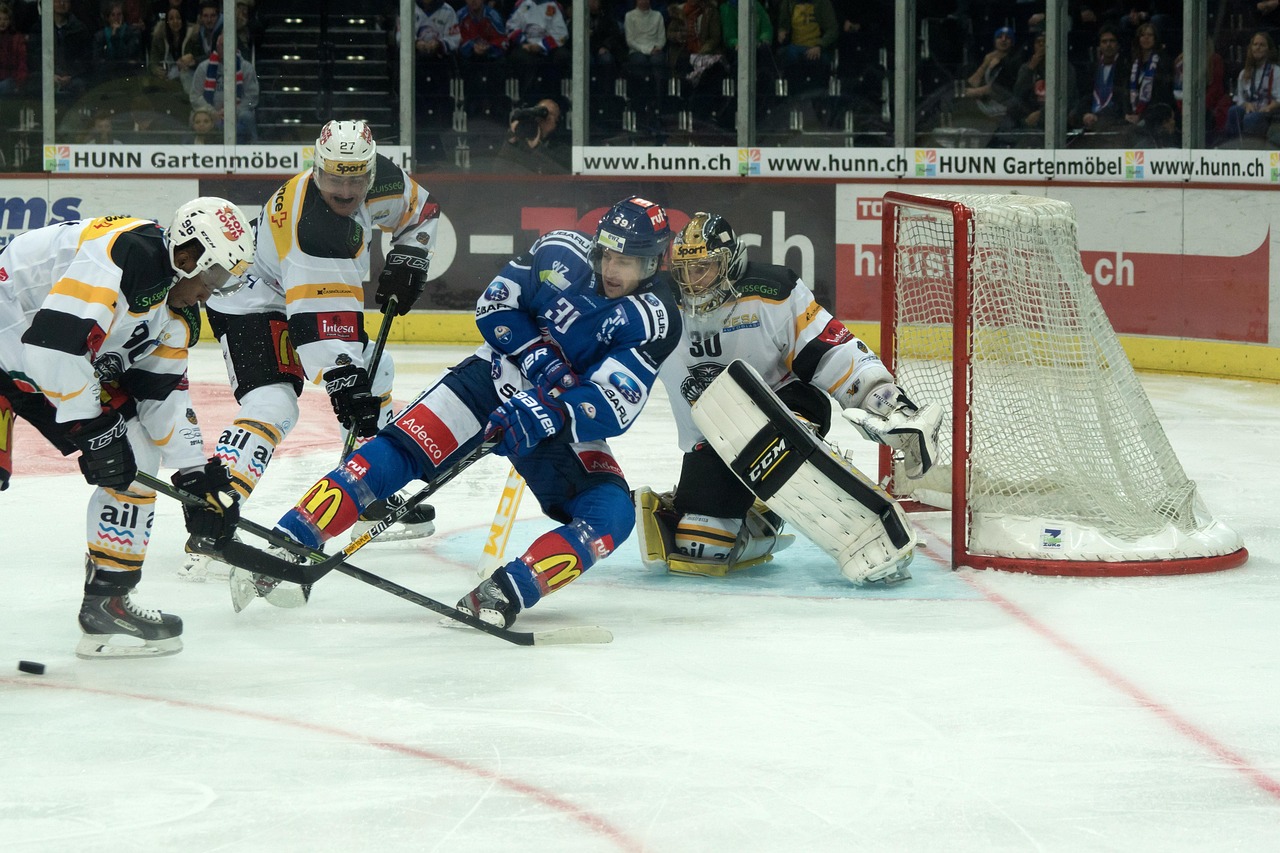

The Science Behind Effective Ice Hockey Conditioning Programs
Ice hockey is an exhilarating sport requiring a unique blend of strength, speed, endurance, coordination, and agility. A professional ice hockey conditioning program aims to enhance these physical attributes, ensuring players remain competitive and can perform optimally during games. Conditioning focuses on various components such as aerobic fitness, anaerobic capacity, and muscle strength. Each component contributes to the athlete’s overall performance in ways that are directly applicable on the ice. To construct an effective conditioning program, trainers must assess the specific needs of each player by considering their position, skill level, and previous injury history. This individualized approach allows for targeted development and maximizes the potential for success in both training and games. Furthermore, conditioning programs must also incorporate flexibility and mobility workouts, as these aspects are essential for injury prevention and maintaining peak performance. Utilizing different training modalities such as interval training, weight lifting, and on-ice drills will create a comprehensive conditioning regimen tailored to the demands of ice hockey. Ultimately, the science behind conditioning in this sport extends well beyond mere physical training, integrating injury management and recovery methodologies for long-term athlete development.
Understanding Physical Demands in Ice Hockey
Ice hockey’s multifaceted demands stem from its unique combination of skill, physicality, and tactical execution. Players must be prepared to transition quickly between various exertion levels, necessitating high aerobic capacity in conjunction with bursts of high-intensity performance. Factors such as skating speed, puck handling, and checking all contribute to the overall intensity of the game. Each shift on the ice typically lasts between thirty seconds and two minutes before players require rest. During this time, varying anaerobic and aerobic energy systems are engaged, placing additional demands on cardiovascular fitness. Coaches and trainers must evaluate these high-energy requirements to develop training systems that mimic game conditions. Periodization of training is crucial in ensuring that players peak during important matches. Moreover, understanding the biomechanics of skating and other movements aids in optimizing performance while minimizing injury risks. This knowledge can guide trainers in selecting appropriate drills to enhance movement efficiency. Players whose conditioning programs account for these variable demands are much more equipped to handle the rigors of the sport effectively, leading to improved in-game performance and reduced chances of fatigue-induced injuries during crucial moments in games.
A key aspect of any effective ice hockey conditioning program is strength training. Strength training not only improves muscle strength but also boosts explosiveness, agility, and overall performance on the ice. Ice hockey players benefit from developing both upper and lower body strength, as the game requires powerful skating, strong puck control, and physical contact with opponents. Resistance training exercises, such as squats, deadlifts, and bench presses, should be meticulously incorporated into conditioning programs. These exercises enhance both core strength and stability, which are vital for balance and maneuverability while skating. Furthermore, incorporating Olympic lifts into training routines can further increase an athlete’s power output. It’s equally important to integrate functional strength movements that closely imitate on-ice actions. Plyometric exercises, like box jumps and medicine ball throws, cultivate fast-twitch muscle fibers, enabling players to generate explosive speed during crucial moments on the ice. By strategically emphasizing strength training within the overall conditioning framework, players are better prepared to endure the physical demands of ice hockey, maintaining a competitive edge throughout the season. The overall objective remains clear: fuller physical capabilities translate directly to improved performance when competing against opponents.
Cardiovascular Conditioning for On-Ice Performance
Cardiovascular conditioning is an important facet of any ice hockey athlete’s training regimen. The sport demands excellent aerobic capacity and stamina as players need to sustain high levels of effort for extended periods. Ice hockey shifts require quick recovery due to their intense nature, with players often having to make fast transitions from rest to exertion. Therefore, developing a superior cardiovascular conditioning program is non-negotiable for increasing overall performance and minimizing fatigue during games. Incorporating interval-based training can be particularly effective, allowing players to practice simulations of game conditions. These sessions consist of brief, high-intensity bursts followed by brief recovery periods, mimicking the stop-and-start nature of the sport. Traditional aerobic exercises, such as running or cycling, should also be included to build a solid endurance base. Variation in the training modes is essential for engagement and progression, as this helps prevent physical and mental stagnation. Additionally, cross-training with other sports like soccer or lacrosse can promote cardiovascular fitness while reducing the monotony of a singular routine. As a critical building block of conditioning, cardiovascular fitness has lasting effects on performance duration and recovery, essential for an athlete’s successful career in ice hockey.
Core stability is paramount in ice hockey, ensuring players maintain appropriate body control and equilibrium while skating. The core encompasses muscles in the abdomen, lower back, hips, and pelvis, acting as a foundation for all movements on the ice. A robust core leads to improved posture, balance, and agility, all critical skills required in hockey. Core-focused exercises should be an integral part of conditioning programs, with the aim of enhancing both strength and stability. Incorporating exercises such as planks, Russian twists, and stability ball moves can enhance core development effectively. These exercises also improve output during skating, creating better connection and control between the upper and lower body. Improving core strength not only enhances athletic performance but also helps prevent injuries that frequently arise from imbalance or poor posture. Conditioning programs should evaluate the core’s role in each player’s movement patterns, thus tailoring training protocols accordingly. The implementation of sport-specific core routines can foster athletic proficiency on the ice, increasing the likelihood of a player’s success across various crucial game situations. Overall, core conditioning remains essential for effective performance and minimizes injury risks associated with high-contact sports like ice hockey.
Flexibility and Mobility Work
Flexibility and mobility are components of conditioning in ice hockey that cannot be overstated. An effective conditioning regime integrates regular flexibility training to enhance a player’s range of motion and prevent injuries associated with muscle tightness. Stretching exercises should be strategically included in warm-up routines to prepare the body for the physical demands of play. Dynamic stretching, which incorporates controlled movements, is particularly effective and can help improve mobility and increase blood flow to muscles. Additionally, static stretching post-practice or game can help in recovery and extend muscles after intense exertion. Incorporating yoga or Pilates into the regimen offers added benefits for improving flexibility and core strength, enhancing players’ overall physical literacy. Trainers should ensure that players engage in regular mobility drills targeting key areas such as the hips, ankles, and thoracic spine. Developing mobility in these regions allows for smoother transitions during rapid movements on the ice. By fostering a culture of flexibility and mobility training, players can cultivate better overall body mechanics and functional movement patterns. Ultimately, this proactive approach contributes to reducing workload stress and improving long-term achievement in ice hockey athleticism.
Recovery methodologies play a significant role in the overall effectiveness of ice hockey conditioning programs. Athletes require appropriate recovery to repair and rejuvenate muscle tissues after strenuous training. A comprehensive recovery strategy should encompass nutrition, hydration, sleep, and active recovery measures to optimize performance and well-being. Nutritional focus should target replenishing glycogen stores and providing adequate protein for muscle repair. Hydration strategies remain paramount, as dehydration can drastically affect performance outcomes. Additionally, athletes must prioritize adequate sleep, as this is vital for mental clarity and physical recovery. Implementing active recovery techniques, such as low-intensity exercise, foam rolling, and mobility work can significantly alleviate soreness and facilitate blood flow to fatigued muscles. Conversely, neglecting recovery can lead to overtraining, injuries, and performance decline. Coaches and trainers should continuously monitor each player’s recovery status and adapt the conditioning program as needed. Importantly, fostering a recovery culture among athletes ensures they understand its value for long-term athletic success, health, and resilience. In conclusion, integrating careful recovery procedures within conditioning programs directly enhances performance, ensuring athletes remain in peak condition during competition.
Conclusion: The Holistic Approach to Ice Hockey Conditioning
In conclusion, effective ice hockey conditioning programs are crucial for all athletes seeking to improve their performance and longevity in the sport. Coaches and trainers must prioritize a holistic approach that encompasses strength training, cardiovascular conditioning, core stability, flexibility, mobility, and recovery strategies. By recognizing the interplay among these essential components, coaching professionals can fine-tune training regimens for individual players or teams focusing on specific needs. This individualized focus enhances on-ice performance and contributes to overall athlete well-being by minimizing injury risks and addressing the demands of a highly competitive environment. The ultimate goal is to develop resilient athletes capable of performing consistently under the pressure of competition. Regular assessments and adapting the program based on a player’s progression are vital in promoting sustained improvements. Continuous education on sport science principles and innovations in training methodologies will further contribute to the program’s effectiveness. As strategies evolve, a commitment to embracing scientific advancements in ice hockey conditioning will ensure athletes remain at the forefront of performance optimization. Ultimately, an unwavering focus on this comprehensive conditioning framework is instrumental in fostering success and resilience among ice hockey players throughout their careers.