
Understanding Functional Threshold Power (FTP)
Functional Threshold Power, commonly referred to as FTP, is an essential concept for intermediate athletes looking to enhance their cycling performance. It represents the highest power output a cyclist can maintain in a steady state for approximately one hour. Knowing your FTP is crucial for developing tailored training plans that maximize efficiency and effectiveness. These plans can help build aerobic endurance and strength. Furthermore, measuring your FTP regularly can track improvements and inform necessary adjustments in your training intensity. Generally, FTP is expressed in watts per kilogram of body weight, making it easier to compare cyclists of different sizes. This metric allows athletes to allocate their efforts in races or training sessions, utilizing it as a foundational parameter in a structured regimen. To accurately assess your FTP, perform an FTP test, engaging in a 20-minute all-out effort, and then calculating your average power. This data not only motivates but also sets a baseline from which to develop future goals and strategies. Knowing your FTP can guide the pacing in races, ensuring that you don’t expend too much energy too quickly, leading to more successful outcomes.
Training plans based on FTP encompass various workouts that range in intensity and duration, essential for improving overall cycling efficiency. Typically, structured plans include intervals, threshold workouts, and long rides, each designed with specific performance enhancements in mind. Interval training often involves making repeated efforts at or just above FTP, which builds stamina and power. For example, performing intervals of 5 minutes at high intensity followed by equal recovery periods can push your limits and raise your FTP over time. Likewise, sustaining efforts slightly below FTP during longer sessions helps bolster endurance, preparing cyclists for races that require prolonged exertion. Furthermore, including recovery rides within your weekly training schedule allows for muscle recovery and adaptation. Balance is key, however; overtraining without sufficient recovery can lead to fatigue or injury. Many cyclists utilize heart rates alongside their FTP measurements for an even more comprehensive understanding of their exertion levels. Consequently, an effective training plan must align equally with personal goals, physical condition, and recovery needs. To enhance overall cycling performance systematically, it is crucial to adapt plans regularly based on your FTP assessments and body responses to workouts.
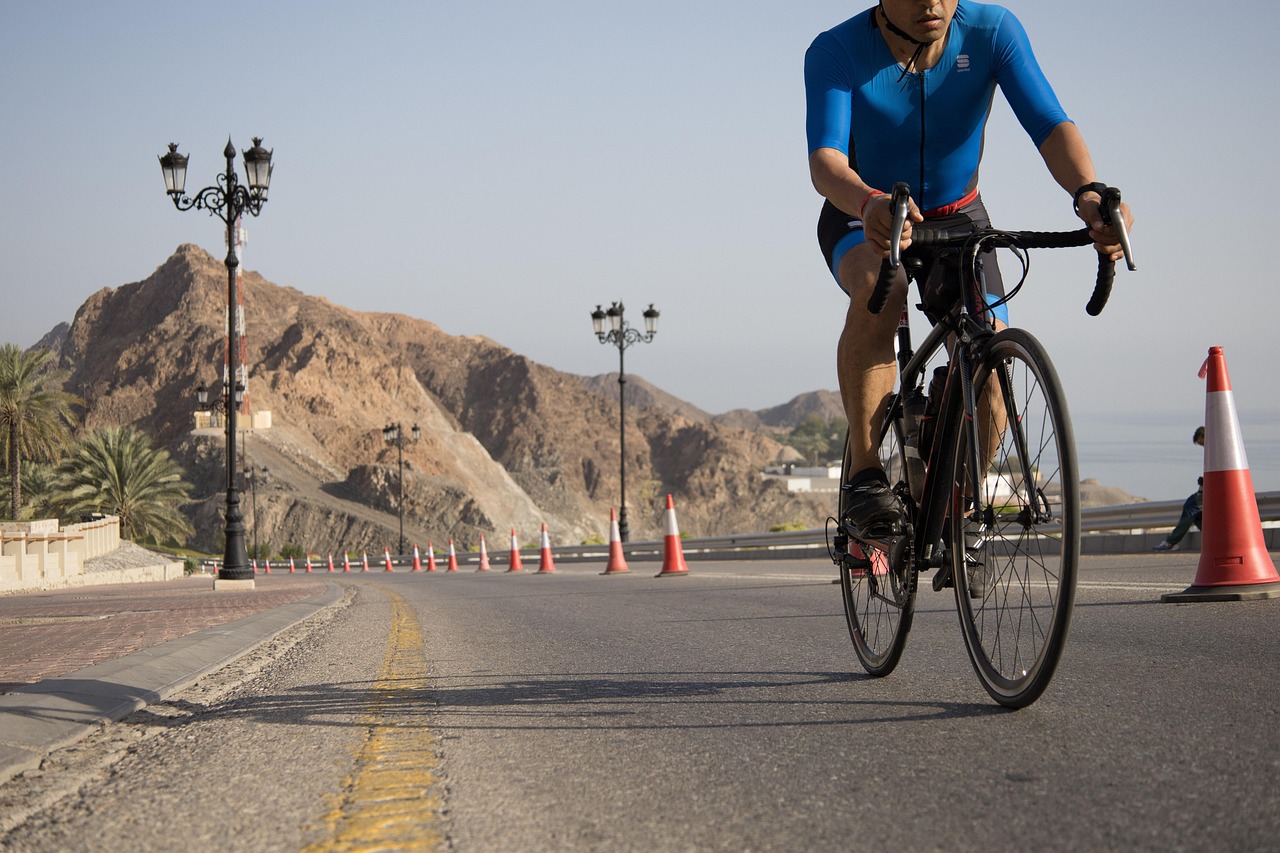
Integrating FTP into race preparation offers a framework to pace effectively, especially during longer events such as triathlons. During these races, it is easy to overexert oneself in the earlier stages, which may lead to exhaustion later on. Using FTP as a base can help athletes determine target power outputs for different segments of their races, allowing for a more strategic approach. When preparing for a race, athletes may create power zones based on their FTP to guide exertion levels during the cycling leg of the event. For instance, zones could be classified from recovery rides to anaerobic sprint efforts. Generally, during races, maintaining a power output that falls within the aerobic or threshold zone is ideal for preserving energy while still competing effectively. Athletes can employ tools like power meters to maintain proper power outputs throughout the bike course. Furthermore, establishing these zones before race day helps athletes practice pacing ahead of time. Hence, a well-structured training plan that incorporates FTP can significantly enhance performance and readiness for competitive situations, ensuring that targets are met without compromising health.
Monitoring and Adjusting Your FTP
Monitoring your FTP, and making adjustments to your training plan as necessary, is vital for continuous improvement. Regular FTP tests allow you to gauge personal progress and assess whether your training strategies are yielding the desired outcomes. A common practice among cyclists is to retest their FTP approximately every six to eight weeks, as physical fitness can evolve rapidly during training. This frequency ensures that the training zones created from previous sessions remain relevant. Besides scheduled retests, being attentive to how your body feels during rides informs whether you’re pushing too hard or not maximizing your potential. Tools like heart rate monitors, ultimately paired with power metrics, provide real-time feedback to adjust your intensity during workouts efficiently. Additionally, fatigue levels can guide cycle training decisions; if you notice ongoing exhaustion, it may be time to reduce intensity or increase recovery. Establishing a data-driven approach facilitates continual improvement while minimizing injury risks. By aligning training with modified FTP measurements, you can tailor your workouts to ensure steady progress and enhance both your enjoyment and output during races.
Strength training is another vital component of improving FTP, as building muscle directly correlates with enhanced power output. Participating in strength training sessions multiple times a week can contribute significantly to your cycling capabilities. Weight training focused on lower body exercises like squats, deadlifts, and lunges will increase muscle strength and endurance, ultimately transferring power to the pedals. Such workouts should not replace cycling but should complement it effectively. Implementing strength training in conjunction with your regular cycling sessions will develop the necessary muscles to maintain power for extended periods. Adjusting your training program to include these weight sessions, particularly in the offseason, can lead to remarkable cycling performance gains. Moreover, balancing strength workouts with aerobic rides ensures optimal recovery while pushing for improvements. Investigating specific periodization strategies can help identify the right times during the training cycle to emphasize strength training. This balance is essential as athletes aim to build a strong foundation throughout the season. Strength training alongside ridden workouts tailored around FTP permits improved overall performance on race day, thus benefiting competitiveness among triathletes.
Conclusion: Your Path to FTP Mastery
Mastering FTP requires dedication and ongoing assessments that guide effective training plans for intermediate cyclists. Professional cyclists utilize their FTP not solely at races but also throughout their entire training regimen, which significantly enhances performance outcomes. Many athletes rely on technology such as smart trainers, which adjust resistance based on their FTP during indoor workouts, ensuring that they focus on improving weaknesses from the comfort of their homes. Engaging in such methodologies demonstrates commitment and motivation toward reaching personal goals. Furthermore, developing a deeper understanding of your body’s interplay with FTP contributes to a richer and more rewarding cycling experience. Many triathletes capitalize on their achievements in FTP to excel across all three triathlon disciplines through diligent cooperation with coaches or training partners. Ultimately, a robust FTP plan that evolves with the athlete can create a healthy cycle of growth and improvement. Embrace this philosophy, and you will likely witness significant transformations in your cycling performance. Committing to bettering FTP, informed by a structured plan and assessment, will undoubtedly yield performance breakthroughs.
Lastly, engaging with the cycling community can offer additional insights into improving FTP and applying training plans effectively. Online forums, local cycling groups, or coaching programs can provide varied perspectives and shared experiences. Many members are eager to share their trials and successes in optimizing their training, revealing novel strategies and approaches. Building connections within these communities not only inspires motivation but can lead to valuable friendships between cyclists. Finding a mentor or joining group rides focused around FTP can create accountability while enhancing your overall cycling experience. There is much to learn from collaborating with others who share similar goals, assisting each member in achieving their optimal performance. Reading books, listening to podcasts, or following cycling-focused social media are additional avenues for gaining knowledge that supplement FTP training. All of this aids in creating a well-rounded approach toward cycling enhancements. Embracing collective and personal pursuits ensures that you stay on the cutting-edge of your training journey and allows your FTP to flourish over time for enhanced race day performance.