
Understanding Spinal Flexion and Extension in Exercise
Spinal flexion and extension are crucial movements in the biomechanics of the spine that play a significant role in various physical activities. Flexion refers to the bending movement that decreases the angle at the joint, while extension increases this angle. Both processes are vital for maintaining overall spinal health and function. Effective training involving spinal flexion and extension is essential for preventing injuries. Adequate understanding of these movements also enhances athletic performance by increasing range of motion. Numerous exercises involve these motions, including deadlifts, squats, or even gymnastics. When performed correctly, these movements can fortify surrounding muscles. This article delves deeper into the mechanics governing spinal flexion and extension, exploring their significance in exercises. Proper biomechanics ensures optimal performance. Therefore, awareness of common mistakes during practice is fundamental. Acknowledging how to properly execute these movements can mitigate the risk of back injuries significantly. Key considerations include engaging the core, maintaining neutral spine alignment, and controlling the range of motion throughout the movement. Implementing these concepts will lead to effective exercise regimens and improved athletic performance.
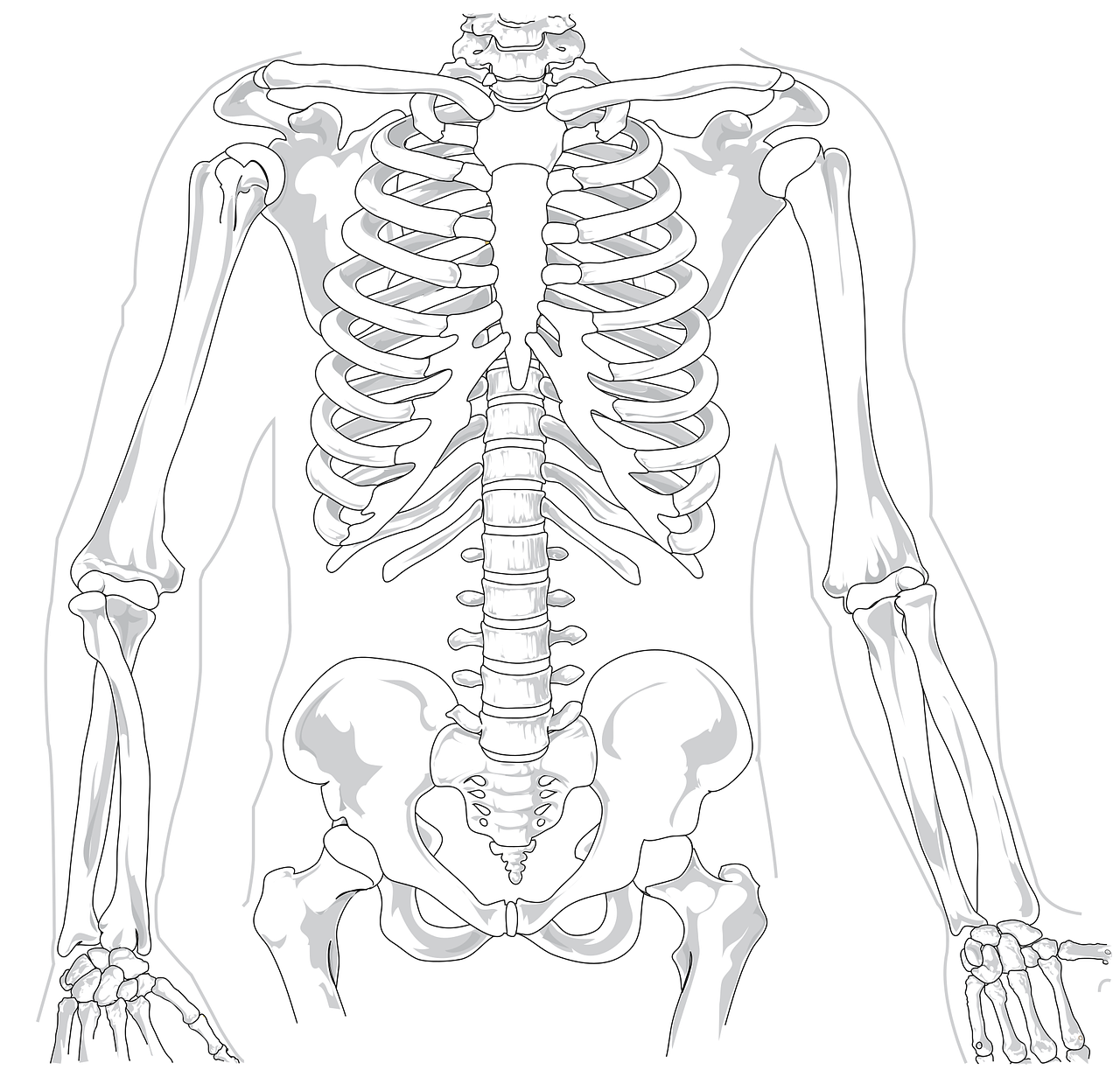
The biomechanics of spinal flexion involves the vertebrae, intervertebral discs, and surrounding muscles working in concert. When the spine flexes, the anterior portion of the intervertebral discs experiences compression, allowing for increased mobility. The muscles responsible for flexion, primarily the rectus abdominis and iliopsoas, play particularly important roles during any flexion exercise. These muscle actions are crucial in activities like sit-ups and crunches. Conversely, spinal extension involves the muscles in the back, such as the erector spinae, which work to restore the spine to an upright position. Understanding these movements is vital for anyone engaged in physical training. Effective exercise programs should incorporate both flexion and extension, paying close attention to form and alignment. Educators and trainers should instruct their clients on proper posture during these exercises. Teaching individuals to maintain neutral spine positions while performing either movement will greatly reduce injury risks. Coaches should emphasize mindful practices while lifting weights. Using weight training belts can also provide extra support for the lumbar region. All exercise regimens should be combined with appropriate flexibility and strength training. Awareness of biomechanics is key to long-term health.
Essential Techniques for Spinal Movements
Incorporating proper techniques into your exercise routine is vital for the safe execution of spinal flexion and extension. For effective spinal flexion, individuals should begin in a neutral position, engaging their core muscles before initiating any movement. Failing to stabilize the core can lead to undue stress on the spine, increasing the risk of injury. Also, while performing exercises such as sit-ups, the emphasis should be on using the abdominal muscles rather than relying on momentum. When transitioning into spinal extension, it is essential to maintain a straight posture, ensuring that the spine is aligned throughout the movement. Engaging the glutes and lower back helps in achieving proper extension and counteracting slouching. Consequently, these strategies foster a stronger and more resilient spine. In addition to strengthening efforts, flexibility and mobility exercises are equally important. Stretching the hip flexors, hamstrings, and lower back can enhance flexibility. Participating in yoga or Pilates classes also aids in comprehending proper spinal mechanics. Consistently implementing these techniques will maximize fitness benefits while minimizing the risk of back injuries.
Awareness of common mistakes during spinal flexion and extension exercises is essential for injury prevention. People often round their backs during flexion, a posture that places excessive stress on the spine. This habit can lead to discomfort or even serious injury over time. Instead, practitioners are encouraged to emphasize core engagement, allowing the pelvis to tilt and the spine to naturally flex. Maintaining a neutral spine throughout the movement reduces risks and improves efficacy. Additionally, individuals often progress too quickly, lifting more weight than their bodies can handle. This behavior increases the potential for injury significantly. Instead, it’s advisable to gradually increase resistance while maintaining proper form. Another mistake includes neglecting the importance of breathing. Proper breath control stabilizes the core during flexion and extension. Holding the breath can create undue tension, leading to poor form. Make sure to exhale during exertion and inhale during relaxation phases for optimal results. Furthermore, a lack of awareness regarding body mechanics contributes to injuries. Therefore, practicing in front of a mirror or getting feedback from a fitness professional can help correct form. Consistency in correcting mistakes fosters safe and effective exercise practices.
The Role of Flexibility in Spinal Health
Flexibility significantly influences the biomechanical stability of the spine. Inadequate flexibility often restricts muscle movement, leading to poor posture during flexion and extension exercises. Tight muscles can result in compensatory movements that increase the risk of injury. Stretching exercises, including dynamic and static stretches, are vital in maintaining spinal flexibility. Dynamic stretches prepare muscles for exercise, while static stretches help in recovery post-workout. Incorporating specific stretches targeting the hamstrings, hip flexors, and lower back can enhance overall spinal mobility. Foam rolling and myofascial release techniques can also alleviate muscle tightness. These practices improve flexibility by increasing blood flow to the muscles. Engaging in regular stretching routines creates a more resilient spine, allowing for smoother transitions between flexion and extension. Furthermore, yoga classes often provide a structured environment for improving flexibility. Dedicated sessions concentrating on core strength and flexibility improve range of motion. Keeping the spine mobile enhances athletic performance and overall functionality in daily activities. Thus, adopting a holistic approach to fitness can maintain a healthy spine. Long-term benefits include reduced risk of injuries and improved performance across various exercises.
In conclusion, understanding spinal flexion and extension mechanics is crucial for anyone involved in exercise or physical activity. These movements serve as foundational elements for many exercises, making biomechanics a key focus area. Proper technique, awareness of common mistakes, and strategies for improving flexibility contribute to effectively implementing these movements. Engaging core muscles, maintaining a neutral spine, and progressively increasing weight are essential factors in safe execution. The spine’s health significantly affects overall well-being and physical performance. Therefore, individuals should consistently review their practices. Regular engagement in stretching also aids in keeping the muscles around the spine flexible. Education surrounding the biomechanics of the spine empowers individuals to take charge of their wellness. This knowledge enables them to design personalized exercise programs that cater to their specific needs and goals. Ultimately, a comprehensive understanding of spinal mechanics ensures responsible exercise practices while fostering improvements in athletic performance. As individuals deepen their comprehension of spinal movements, they gain a holistic view of achieving fitness and maintaining a healthy lifestyle. Continuous learning and application of biomechanics principles will lead to long-term benefits for all fitness enthusiasts.
Final Thoughts on Spinal Training
Incorporating proper biomechanics into your exercise routine is critical for ensuring lasting spine health. Understanding the roles of spinal flexion and extension supports informed training practices. Balance, strength, and flexibility play vital roles in supporting these movements. Thus, focusing not only on strengthening exercises, but also on stretching, enhances overall spinal function. Grasping the fundamental concepts of spinal dynamics contributes to better exercise regimens and improved outcomes. Emphasis on maintaining proper posture, core engagement, and progressive overload serves as a framework for efficient workouts. Additionally, consider consulting with fitness professionals for personalized insights. Their expertise can guide individuals toward mastering spinal mechanics. Adequate rest and recovery are essential in any well-rounded fitness program; allowing muscles time to recover promotes better health. Finally, fostering an awareness of one’s body and movements during exercises will lead to more successful outcomes. Continuous learning about biomechanics cultivates a culture of mindfulness in one’s workout routines. With dedication to safe practices, individuals can ensure that their exercise routines support their spine health and overall physical performance. As such, ongoing education on the mechanics of the body is crucial for sustained fitness.
Understanding spinal flexion and extension is not just for athletes but is applicable for everyone, including those in sedentary occupations. The sedentary lifestyle has been linked to decreased spinal health, emphasizing the urgency of incorporating spinal motion strategies into daily routines. Workplace ergonomics plays a significant role here, offering solutions such as proper seating and workstation setups. Incorporating movements that promote spinal mobility into daily activities is necessary to prevent stiffness and back pain. Exercises like gentle stretches or even standing tall can keep the spine engaged. Embracing a proactive approach towards spine health can support overall productivity and well-being. Practicing consistent spinal movements will create a foundation that fosters resilience against issues related to prolonged sitting. Some simple routine adjustments can create an environment conducive to spinal health. Adopting brief stretches at intervals can significantly enhance flexibility. This helps maintain the spinal range of motion effectively. Hence, encouraging equitable movements among all individuals will lead to improved physical health. In short, both professional and personal settings need to prioritize an understanding of spinal biomechanics. This ensures that every interaction encourages a healthy lifestyle while minimizing risks.