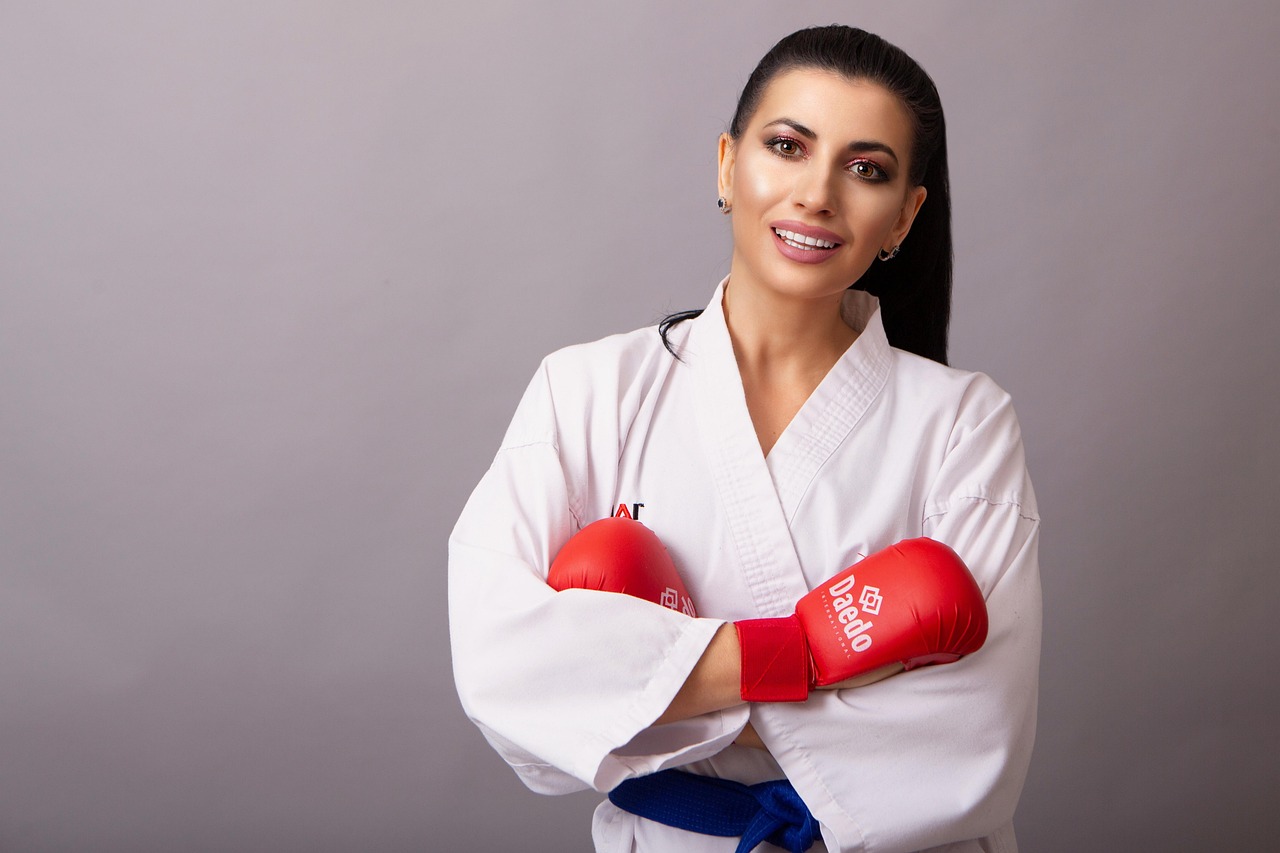

Creating Your Own Kickboxing Fitness Circuit Training
Kickboxing fitness is an exhilarating and beneficial workout combining martial arts and high-energy cardiovascular training. To create an effective kickboxing fitness circuit, begin by establishing your goals. Do you want to enhance your strength, improve your stamina, or increase your flexibility? By identifying your objective, you can tailor your circuit to include exercises that focus specifically on your desired outcomes. Additionally, consider your fitness level; beginners may focus on mastering basic techniques, while advanced practitioners can incorporate more complex moves. A balanced routine promotes overall fitness while ensuring you aren’t just working on a single skill. Think about alternating between different types of exercises, combining cardio with strength training, to build endurance and power. Kickboxing can also help relieve stress while boosting confidence as you learn self-defense techniques. Consider engaging with a community to inspire and motivate each other, organize challenges, and progress together. Finally, always remember to listen to your body, modify moves as necessary, and maintain proper form to prevent injuries.
Once your goals are established, it’s time to design a workout routine that includes diverse exercises. A kickboxing circuit should consist of several stations, each focusing on different strikes, combinations, or conditioning drills. For instance, you can vary between front kicks, roundhouse kicks, jab-cross combinations, and defensive maneuvers. Incorporate bodyweight movements like push-ups, squats, and lunges for added muscle engagement. As you formulate the circuit, assign a specific duration for each exercise, such as 30 to 60 seconds, followed by brief rest intervals. This combination of work and rest enhances overall intensity and helps maintain engagement. Don’t forget to include dynamic warm-up and cool-down activities, such as jumping jacks or dynamic stretches, to prepare your body for the workout and aid recovery afterward. Track your progress by recording the number of rounds completed or the intensity level achieved during each session. Ensure to focus on technique rather than speed as you improve, gradually increasing loads, repetitions, or duration to challenge your body effectively.
Essential Kickboxing Techniques
Kickboxing incorporates a variety of fundamental techniques crucial for success. Focus primarily on stance and footwork, as they provide a solid foundation for movement and balance while striking. Your stance is typically shoulder-width apart, knees slightly bent, and weights evenly distributed on both feet. Maintaining this posture allows for swift rotations and transitions between attacks and defenses. Practice standard punches, including the jab, cross, hook, and uppercut, ensuring each technique is crisp and well-executed. Additionally, pay attention to kicks, such as front, side, and roundhouse kicks. Each technique must involve fluid hip movement and proper form to maximize power. Moreover, incorporate defensive actions like blocking, parrying, and head movement to protect yourself during training. As you become more comfortable with these techniques, try to create combinations that can be used in actual sparring session. Challenge yourself by experimenting with different attacking angles, ranges, and rhythm during practice sessions to refine your skills. Eventually, aim to develop a personal fighting style that feels comfortable and effective.
Strength and conditioning form the backbone of your kickboxing fitness circuit. Integrating strength training exercises into your routine can improve your striking power and prevent injuries. Focus on compound movements such as deadlifts, push-ups, and squats that target multiple muscle groups simultaneously, contributing to your overall strength and endurance. Additionally, consider incorporating plyometric exercises like jump squats or box jumps to develop explosive power and agility. These high-intensity workouts build muscular endurance, preparing your muscles for extended kickboxing sessions. Also, dedicate time to core workouts, showcasing the importance of a strong core in maintaining balance and stability during striking. Furthermore, implementing cardio workouts such as running, cycling, or HIIT will enhance your cardiovascular endurance. Kickboxing relies heavily on stamina, so engaging in aerobic conditioning can improve performance without compromising technique. Remember to adjust your circuit training based on how your body responds to various exercises, allowing yourself to rest adequately and help prevent overtraining. A well-rounded fitness program will significantly enhance your kickboxing journey.
Creating a Supportive Environment
A supportive and motivating training environment plays an essential role in the success of your kickboxing journey. Start by selecting an appropriate space for your workout, whether it’s a gym, a home gym, or an outdoor area. Ensure the space provides ample room for movement without obstacles. You’ll also want to invest in the right gear to facilitate a safe and efficient workout experience. Essential equipment for effective kickboxing circuits includes boxing gloves, hand wraps, and a punching bag. Comfortable workout clothing encourages freedom of movement while varying flexibility and breathability. Additionally, consider incorporating fitness apps or devices that track your progress, set goals, and provide personalized workout plans to enhance motivation and accountability. Surround yourself with individuals who share your enthusiasm for kickboxing fitness, whether through a local class, training partners, or online communities. Engaging with like-minded individuals will not only boost your motivation but will also provide valuable camaraderie, encouraging you to push through tough days. Lastly, ensure that you have access to nutritious foods to fuel recovery and performance, impacting overall results.
Monitoring your progress is crucial to staying on track and achieving your kicking fitness goals. Set measurable milestones to assess your skills and conditioning improvements. For instance, keep a workout journal documenting your performance during each session, capturing rounds completed, techniques mastered, and feelings experienced during the arduous routines. Regular assessment through fitness tests such as timed rounds, maximum repetitions, or sparring sessions can provide critical feedback that highlights your progress. As you track results, understand that success may come in various forms: it’s not solely about speed improvement or maximizing strength but an amalgamation of skill progression, confidence, and enjoyment derived from kickboxing. Celebrate small victories along the way to stay motivated. Consider signing up for competitions or group fitness challenges that inspire and push you out of your comfort zone. Connecting with others can serve as a powerful motivating force, holding you accountable and present in your journey. Utilize every positive outcome as a fuel that propels you closer to your kickboxing fitness aspirations while remaining flexible within your training would ultimately lead to further success.
Final Thoughts on Your Kickboxing Fitness Circuit
As you undertake the creation and refinement of your kickboxing fitness circuit, focus on consistency, safety, and enjoyment. Appreciate your progress while recognizing the importance of gradual adjustments when necessary. As you become increasingly adept at the techniques and principles of kickboxing, don’t shy away from challenging yourself; take every opportunity to learn and improve skills. Remember, sustaining a positive mindset cultivates resilience and persistence; therefore, embrace the challenges that arise, and don’t hesitate to seek assistance when needed. Whether you join a class, hire a trainer, or engage in an online community, participating in a collective experience can greatly enhance your kickboxing fitness journey. Prioritize recovery and rest to allow your body to adapt and strengthen as you push your limits. Finally, most importantly, listen to your body, and make the necessary adaptations to your training regimen. Want to build your unique path through kickboxing fitness? Believe you can achieve your goals, and commit to maintaining your dedication while having fun. Consistent efforts will undoubtedly lead you to success, both physically and mentally.
The final element of your kickboxing fitness circuit is undoubtedly the enjoyment factor. Staying motivated to exercise can be one of life’s most significant challenges, so focusing on fun can be a game-changer. Identify what aspects of kickboxing energize you and channel that energy into your workouts. Try switching up your music playlist to keep your training sessions lively and appealing, as high tempo tunes can help keep you engaged. Encourage your training partners to share their experiences, insights, and enjoyment while learning new techniques together. Creating a friendly atmosphere with occasional challenges can lead to personal breakthroughs and success. You might also consider rewarding yourself for your achievements, whether it’s consciously acknowledging your progress or treating yourself to a new piece of workout gear. Lastly, remind yourself of the reasons you started kickboxing in the first place – self-improvement, fitness, or competition, and allow that to drive your workouts. By maintaining an element of excitement and creativity in your kickboxing fitness circuit, you’ll find that your journey becomes increasingly rewarding and enjoyable.”


