
Everyday Carry Items as Improvised Weapons: What to Have With You
When it comes to self-defense, awareness of your surroundings is crucial. However, sometimes being prepared means having everyday items you can use as improvised weapons. Knowing what to carry can provide an advantage in unexpected situations. Common items found in a pocket, bag, or purse can be repurposed for self-defense. Utilizing improvised weapons is not just about physical defense; it’s also about confidence and preparedness. Hence, here is a brief guide to various objects that can serve as effective weapons. The first category includes tools and utilities, like a sturdy flashlight or a multi-tool. Not only do these items have a primary function, but they can also be wielded to create distance. Another useful item is a pen which can be used in a gripping manner for quick access. While it may appear harmless, a solid pen can deliver sharp impacts. Identifying items around you can instantaneously shift your mindset in threatening scenarios. It’s essential to think creatively about what can serve this purpose.
Next on the list of improvised weapons are everyday items typically underestimated. A personal alarm can act as a deterrent against potential assailants. Using it effectively can attract attention, thus diverting the situation. Additionally, items like keys can be used for striking or scratching. The jagged edges of keys can serve as a clutch for self-defense. Consider also carrying a small umbrella, which functions well in both rain and defense. Its length can provide reach to keep an attacker at bay. Another common item is a belt, which can be used to strike or entangle an attacker’s limbs. Generally overlooked, belts can be surprisingly robust and useful when necessary. Each of these items can be surprisingly effective in self-defense scenarios. To further enhance your preparedness, practice quick retrieval and usage of these items. Familiarizing yourself with their functions can improve your confidence in a potential crisis. Think of how items you encounter daily can shift your defensive strategy, allowing for safer navigation of urban environments. Be mindful of your surroundings and carry items that offer both utility and protection.
Creative Uses of Personal Items
As you expand your improvised weapons toolkit, consider the creative uses of personal items that accompany you. For example, a baseball cap can be more than a fashion accessory. Its brim can obstruct visibility during an altercation, giving you a moment to escape. Additionally, a water bottle can become a blunt object for striking or throwing to create distance. Think of the element of surprise with everyday items that blend into your lifestyle. A simple scarf can also be transformed into a makeshift weapon; it can be used to choke or entangle an attacker. Essential items, like a wallet, can be used to shield your hand from blows during an encounter. These techniques can elevate the effectiveness of what might otherwise be considered mundane objects. When you perceive daily items as potential self-defense tools, you build a mental arsenal that expands your options. Training in different environments can help you visualize their applications. Always keep in mind that awareness paired with innovative thinking can create an advantageous balance in self-defense. Stay prepared and keep honing these skills for improved personal safety.
Comfortably carrying everyday items that can also serve as weapons requires practice and adjustment. Adopting this mindset of preparation can enhance your overall awareness and sense of security. Essential oils, for instance, serve as a great distraction; certain scents can disorient someone close to you. Another item, such as mace or pepper spray, is also wise to consider as a defensive tool. It is vital to familiarize yourself with local laws regarding the possession of such items. Additionally, carrying a basic first-aid kit can not only help you in emergencies but also provide essential tools for defending against an attack, such as scissors or tweezers. Think about what must remain within easy reach. Not all self-defense items need to be overtly aggressive, as subtlety often plays a critical role. Every item you carry should be assessed for its dual purpose. Review which items you find in your vicinity with defensive potential. Assessing your environment includes recognizing potential hazards and strengths. Ultimately, self-defense means not only anticipating danger but being fully prepared with the right everyday items at hand.
Choosing the Right Everyday Items
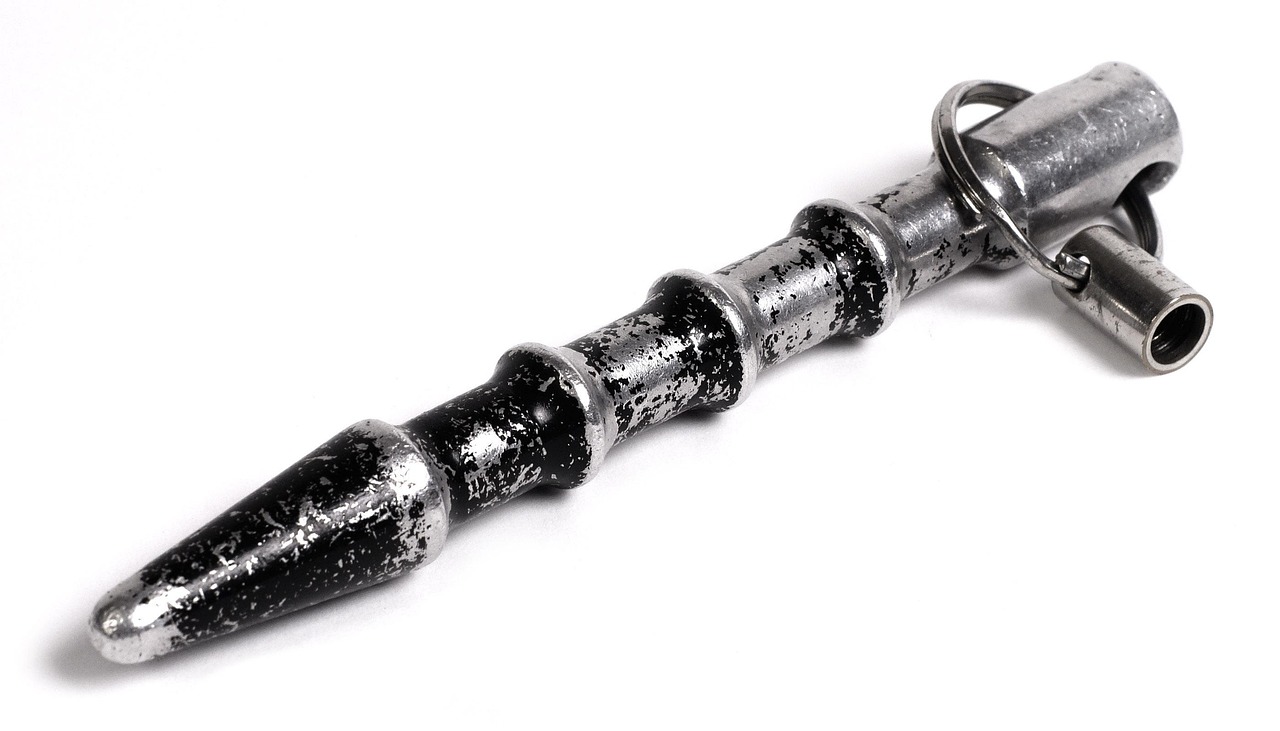
Selecting the right everyday carry (EDC) items for self-defense requires introspection on your lifestyle and preferences. It may be advantageous to invest in a compact tactical knife, which combines utility with self-defense properties. Before choosing any item, ensure its legality in your area to avoid unnecessary legal issues. Always prioritize items that blend well with your daily activities. Having a keychain that allows for easy access and strikes can be beneficial. Additionally, consider the benefits of using a wrist strap; it not only offers security but can also serve as an improvised tool if needed. When selecting these items, focus on pieces you feel comfortable using. Practice is vital; the more you familiarize yourself with these objects, the more instinctual your reflexes will become. Remember, the psychological aspect of having these tools on your person often provides security and confidence. Mental preparedness enhances your instinctual responses in emergencies. Regularly review and update your EDC items to ensure they continually meet your self-defense needs. Balancing practicality and readiness creates a comprehensive approach to self-defense that incorporates everyday items.
The importance of self-defense cannot be overstated, and incorporating improvised weapons into your daily routine is a wise strategy. Each item you carry should be evaluated not just for defense ability but ease of access in critical moments. Relying on familiar, comfortable items not only boosts confidence but also enhances your performance under pressure. For instance, a small backpack filled with basic tools can keep you prepared in various situations. This backpack could hold various everyday objects, such as a portable charger and a sturdy flashlight. Fitness gear, like an exercise band, has surprising potential for self-defense if an altercation occurs. Always be conscious of your body language and available exit strategies. Remaining calm and collected can create opportunities for escape. Practicing situational awareness is crucial for ensuring your safety. Reinforcing your everyday carry items with self-defense knowledge forms a solid foundation for your personal safety strategy. Incorporate self-defense techniques into your lifestyle, improving physical readiness through practice. Thus, blending awareness with appropriate tools enhances your self-defense capabilities while allowing for greater freedom in your daily life.
Conclusion: Be Prepared
Ultimately, being prepared means considering all potential tools at your disposal. The items you choose for self-defense can significantly influence your ability to protect yourself. Remember that improvised weapons exist in the seemingly ordinary, transforming items into tools for safety. You can maximize your self-defense potential by integrating these items into your daily routine with a proactive mindset. Choose objects that you naturally incorporate into your lifestyle and that you find comfortable carrying always. Regularly assessing these items helps you adapt to changing environments and staying ready for any situation. Incorporating training and drills into your routine will solidify your understanding of these tools, enhancing your preparedness. Staying informed about latest self-defense techniques can also improve your confidence. The essence of self-defense is to empower yourself in unpredictable situations while remaining adaptable. Consider attending workshops focused on self-defense training using improvised weapons to gain more hands-on experience. As you navigate through life, remain observant and discerning; this awareness undoubtedly increases your personal safety. Embrace the idea that effective self-defense can come from everyday carry items blending into your lifestyle seamlessly.
Lastly, make it a habit to review the items you carry regularly, adapting as your circumstances and environments change. Incorporating other resources, such as pamphlets or guides on self-defense strategies, can enhance your knowledge. Keep in mind that situational awareness is your first line of defense. Having a mental checklist of potential improvised weapons as part of your everyday carry routine further accelerates your readiness. You never know when you might find yourself needing a quick way to intimidate an attacker or retreat safely. Carrying items that easily fit into your life while serving a dual purpose could be a key factor in staying safe. Always practice different scenarios where you may need to utilize these improvised weapons. Frequent practice can decrease panic and improve your reflexive actions. Visualizing potential scenarios enhances your mental preparedness, ensuring you’re never caught off guard. The ultimate goal is to integrate these tools seamlessly into your life so that they become a natural part of your self-defense plan. Keep focusing not just on the physical tools at your disposal, but also on empowering your mind for increased resilience.