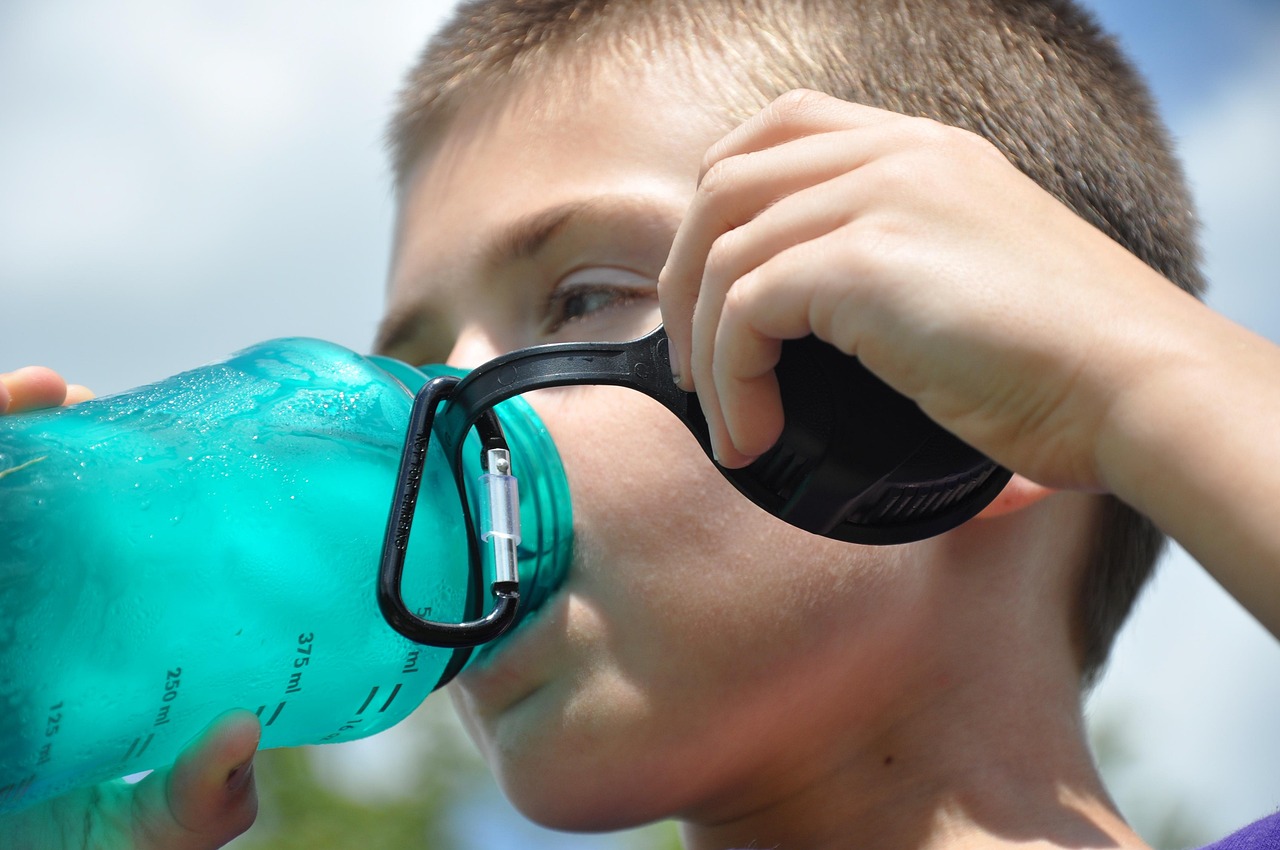

Managing Hydration During Desert Excursions
Desert excursions can be exhilarating adventures, but they pose unique challenges for hydration management. In arid environments, the risk of dehydration increases significantly due to high temperatures and low humidity levels. Preparing for these excursions requires careful planning to maintain adequate fluid intake. Start by knowing your hydration needs based on the climate and your physical activity level. Carrying sufficient water should be a priority; estimate the amount you’ll need by considering factors like the duration of your trip and the intensity of your activities. It is essential to consume water regularly, even if you do not feel thirsty. Thirst is not always an accurate indicator of your hydration status. Additionally, consider incorporating electrolyte solutions to replenish lost salts, especially during strenuous activities. Proper clothing plays a role too; breathable, moisture-wicking fabrics can help you stay cooler and reduce sweating. Lastly, have a plan for accessing water, whether from natural sources or portable filtration systems. By proactively managing your hydration strategy, you can enjoy your desert adventure without the risks associated with dehydration.
Your journey begins with understanding the signs of dehydration, which can be subtle yet serious. Symptoms include dry mouth, fatigue, dizziness, and dark-colored urine. Being aware of these indicators is crucial on desert excursions. If you experience any of these symptoms, it’s vital to take immediate action to rehydrate. Start by resting in the shade and sipping water gradually—drinking too quickly can lead to stomach cramps. I advise carrying a hydration pack or water bottle specifically designed for outdoor use. These options allow for easy sipping and encourage regular water intake without interrupting your activities. Additionally, packing dehydrated meals high in carbohydrates can assist with fluid absorption. Foods like fruits, nuts, and electrolyte-rich snacks can further enhance hydration levels. Don’t forget about the temperature effect; avoiding strenuous activities during the hottest parts of the day can significantly reduce your risk of dehydration. By understanding these signs and maintaining a proactive approach, you can ensure a safer and more enjoyable desert experience that keeps hydration at the forefront of your adventure.
Strategies for Effective Hydration
To harmonize hydration efforts while navigating the desert, embrace strategic planning. Pre-hydration is an effective strategy; consume ample fluids in the days leading up to your excursion. This helps your body saturate before facing the dry, hot conditions of the desert. Additionally, consider consuming beverages that contain electrolytes, which can help retain fluids. Start every day of your excursion by consuming at least one liter of water before heading out. This sets a positive precedent for hydration throughout your trip. Moreover, water intake should be consistent, not sporadic; aim to drink at regular intervals, ensuring that you maintain a steady fluid balance. A useful approach is using a timer or watch to remind yourself to drink every 15-30 minutes. Complementary to these strategies, consider the use of hydration tablets or powders that can enhance your water by adding flavor and electrolytes. This can make drinking more appealing and encourage higher fluid intake. Adopting these strategies ensures you stay hydrated and energized to enjoy the beauty of the desert landscape.
Stay informed about your personal hydration needs based on current weather conditions. It’s essential to adjust your water intake according to variations in temperature during the day. Early morning and late afternoon tend to be cooler, while midday can bring extreme heat. Plan your activities around these shifts in temperature, prioritizing the hottest hours for rest in shaded areas rather than rigorous activities. Don’t forget that specific conditions will call for individual adjustments, such as altitude changes or intense exercise levels during your excursion. Keep the color of your urine as an adaptation indicator: light-colored urine signifies proper hydration, while dark yellow indicates a need for immediate water intake. Furthermore, being mindful of your body’s unique hydration signals is essential to staying in tune with your needs. Scout for additional hydration resources along the route, such as natural water sources, but confirm their safety before consuming. Carry water purification methods, like filters, to ensure that you stay safe while quenching your thirst with fresh fluids, thus making your adventure both enjoyable and secure.
Hydration Essentials to Pack
Efficient packing is a pivotal aspect of ensuring proper hydration during any desert trip. Specific items should be included in your gear, contributing to your hydration management. Start with a high-quality hydration bladder or refillable water bottles made of material that will keep your water cool. Insulated bottles can be especially beneficial, maintaining the temperature longer, which enhances your drinking experience. Additionally, pack electrolyte tablets to mix into your water. Not only do they improve taste, but they can restore essential minerals lost through sweat. Snacks also play a key role; include portable, hydrating foods, such as watermelon and cucumber, which have high water content. Moreover, do not forget sunscreen, as sunburn can increase your body’s fluid needs. A well-designed hat and sunglasses will protect you from the sun’s rays while preventing overexposure. Lastly, packing a small first aid kit ensures that potential hydration-related issues can be addressed on the spot. These essentials will not only maintain hydration but also contribute to your overall comfort and health during the excursion.
Awareness of acclimatization is critical, especially when embarking on a desert excursion. When traveling from a cool climate to a hot desert environment, give your body time to adjust to the new temperature and conditions. It may take a few days for your body to acclimatize adequately; during this time, you might experience increased sweating and a need for more fluids. Gaining understanding of your personal hydration levels goes hand in hand with acclimatization. Monitor your body’s performance; if fatigue sets in earlier than expected, you may need to adjust your water intake. Encourage those traveling with you to communicate their hydration status—group hydration helps create a culture of awareness. Also, teach them how to recognize early signs of dehydration, so no one is left unaware of their hydration status. By fostering accountability within the group, everyone is more likely to prioritize maintaining their hydration. This ensures not only your safety but also enhances the experience, allowing for shared enjoyment of the wonders that desert landscapes have to offer.
Conclusion: Prioritizing Hydration
Ultimately, prioritizing hydration during desert excursions is not just a safety measure; it is essential for an enjoyable experience. By implementing these hydration strategies, you will improve your overall health and increase your energy levels while exploring breathtaking environments. Preparation is key, so start well before your journey by planning your hydration needs, selecting the right gear, and understanding your body’s signals. Continually monitor your hydration status throughout your adventure, adjusting as necessary based on activity levels and weather changes. Create a culture of collective awareness within your travel group; supporting one another will often lead to positive outcomes for everyone involved. Document your hydration successes—and lessons learned—after the trip to refine your strategies further for future adventures. As you journey through the stunning and often harsh desert terrains, remember that maintaining proper hydration can transform a challenging excursion into a memorable experience. Make hydration a cornerstone of your travel planning, and you will undoubtedly return from the desert refreshed and empowered.
Part of hydration management includes understanding the potential symptoms of overhydration, which can lead to a condition known as hyponatremia—a dangerous drop in sodium levels. Hyponatremia can occur if one consumes water in excess while failing to replenish lost electrolytes, resulting in a dilution of sodium in the bloodstream. This situation poses equally serious risks as dehydration. It’s crucial to balance water intake with electrolytes rather than only focusing on volumes. Engage in discussions about hydration with fellow adventurers; sharing experiences can provide insight and foster better practices. Additionally, educate yourself on foods that can aid in hydrating effectively. Consuming potassium-rich foods, such as bananas and avocados, along with sodium sources like pretzels, can help maintain an effective balance. This level of awareness can prevent hydration dangers, allowing for safer experiences in unforgiving climates. Proper planning and understanding will ensure that you make the most of your time in the desert. Equip yourself with knowledge about hydration and make it a priority, transforming not just the physical aspect, but the overall experience into something memorable and exciting.