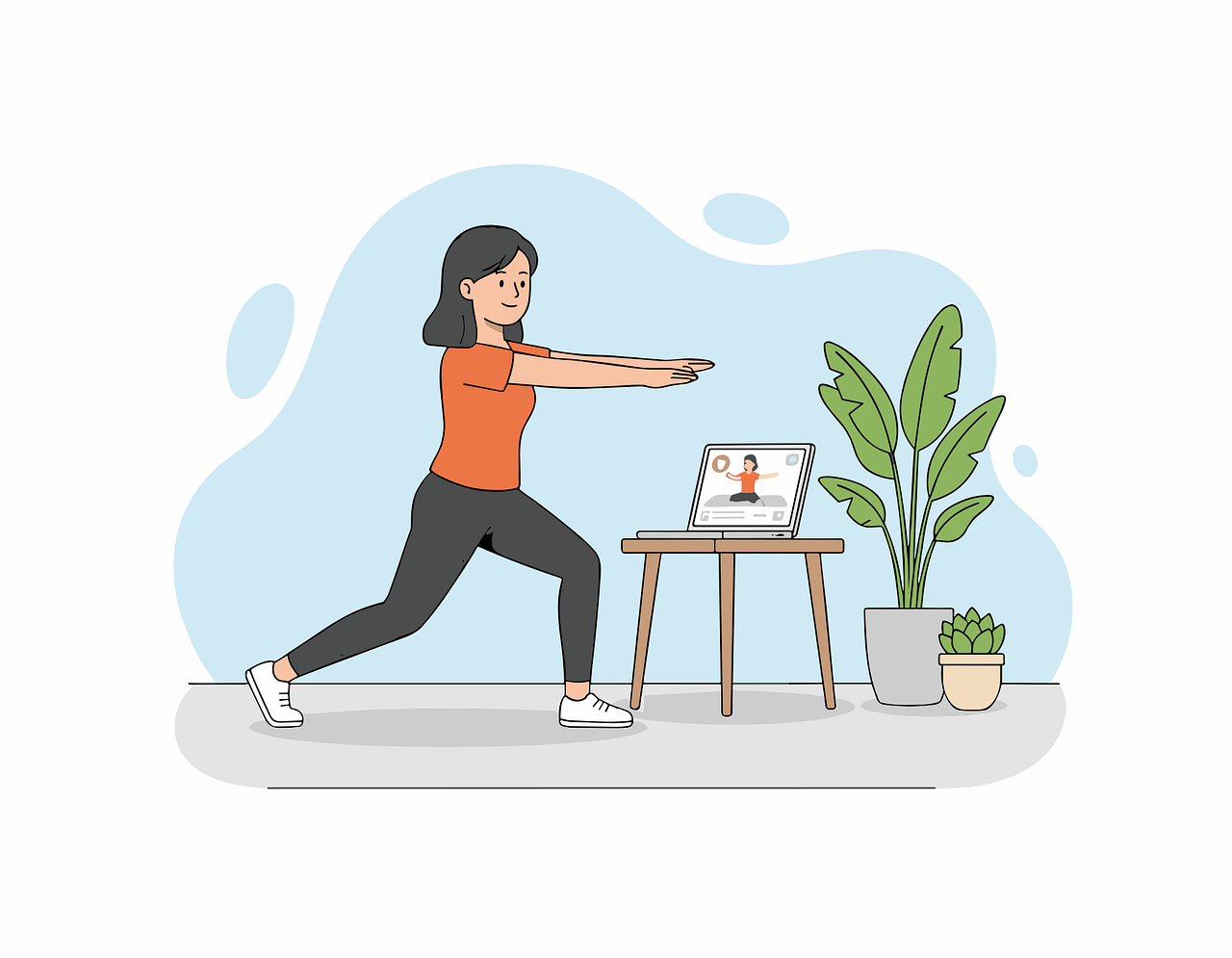

Winter Warm-Up Routines: Preparing Your Body for Home Workouts
As the winter months arrive, staying active is crucial, especially when outdoor workouts become less appealing. It’s essential to establish effective home workout routines that can be incorporated into your daily life. To ensure maximum efficiency, developers of workout plans recommend starting with low-intensity exercises, focusing on flexibility and mobility. Simple stretches can provide significant benefits, enhancing your ability to perform more rigorous workouts later. In these routines, incorporating yoga or Pilates can effectively warm up your muscles. Therefore, laying out a winter workout plan helps keep you engaged and committed. Incorporate diverse options that allow for flexibility, making it easier not to skip a session. You might find tasks like shoveling snow or taking walks very helpful. Using resistance bands is another excellent method to enhance your strength without additional equipment. Even small workouts can lead to significant long-term benefits. This gradual warming up of your body will optimize your performance during the colder months, enhance your metabolism, and even improve your mood. All combined, these elements make effective winter preparation pivotal, ensuring you enjoy the process of staying fit from home.
Key Exercises for Winter Months
Some optimal exercises for winter include dynamic stretches and progressive strength routines that are highly effective at warming your body for other physical activities. Warm-up routines should ideally last at least 10 to 15 minutes, focusing initially on your legs, arms, and core. Start with gentle movements such as high knees and arm circles, then transition into lunges and squats to engage larger muscle groups. Making use of bodyweight exercises such as push-ups, plank variations, and glute bridges also helps stimulate various muscle areas while keeping your heart rate elevated. Transitioning between these different warm-up moves ensures all your body parts receive attention. Taking short breaks within these exercises can also help you recover better. Consistency is vital; perform these warm-ups before any exercise at home, regardless of the workout type. Moreover, staying hydrated is essential during the cold months, as it enhances your performance and helps with muscle recovery. Finding a comfortable space at home that allows for movement and focus is important too. Embrace this time of winter fitness by exploring various exercises to help turn your home into an active environment.
As part of your winter home workout routine, incorporating an effective cooldown is just as important as the warm-up. After your workout, gently stretching your muscles reduces soreness and helps improve your flexibility. Spend at least 5 to 10 minutes on post-workout stretches, focusing on areas that have been heavily engaged during your routine. Consider seated forward bends and butterfly stretches to effectively target your lower back and legs. Additionally, utilizing deep breathing techniques during cooldowns helps relax your body and mind, inviting a sense of peace and recovery. Incorporating foam rolling into your post-workout regimen can relieve muscle tension and assist in preventing injuries. This practice encourages blood flow, which is critical for repairing muscles after they’ve worked hard. Schedule these cooldowns to help you establish recovery as part of your exercise cycle, ensuring your body can handle future workouts. If you keep a consistent schedule for your warm-ups and cooldowns, you’ll likely notice enhanced performance and less fatigue over time. Overall, consider every aspect of winter workouts as an opportunity to maintain a holistic approach to health while keeping flexibility and strength as priorities.
Winter Nutrition Boost
No winter workout routine is complete without focusing on your nutrition. Eating nutritious foods helps fuel your body and keeps your immune system strong during the colder months. Opt for warming foods such as soups, stews, and herbal teas, which not only nourish the body but also keep you hydrated in a pleasant way. Incorporate foods rich in vitamins like leafy greens, nuts, and oily fish that are abundant in omega-3 fatty acids. Many winter vegetables, such as squash and sweet potatoes, provide high fiber contents and positive energy fuels for active living. Focus on consuming enough protein to support muscle recovery, particularly post-workout. Additionally, staying hydrated is crucial, even in winter when you might not feel thirsty. Set daily goals for water intake to encourage hydration. Including seasonal fruits like citrus can also help boost your vitamin C intake, essential for overall wellness. Balancing your caloric intake with the training you engage in will prevent winter weight gain while improving your fitness levels and transforming your home workout experience into something enjoyable and sustainable.
Incorporating variety into your winter home workout routine can significantly enhance your motivation and enjoyment levels. Engaging in various exercises keeps boredom at bay, encouraging you to remain active during the colder months. Mixing cardio, strength training, yoga, and dance workouts offers a comprehensive fitness program. Home workout apps and online videos are excellent resources that can introduce fresh ideas and guided routines. Alternatively, consider organizing virtual workout sessions with friends or family, which adds a social dimension to your fitness journey, boosting motivation even more. Another fun aspect could involve indoors games like dance-offs or friendly competitions, allowing for more laughter and connection within your home. Schedule your weekly workout sessions, incorporating different activities to keep them interesting. Setting specific goals can also foster achievement, increasing your overall workout satisfaction. With a bit of creativity, you can transform your home environment into a dynamic gym that avoids monotony. Embrace these seasonal workouts as opportunities to bond with those living around you and enhance your physical health. Challenge yourself by trying new equipment like jump ropes or kettlebells to keep your internal drive strong.
Finding Motivation in Winter
During winter months, it can be challenging to find motivation, particularly with shorter days and colder temperatures. Creating a workout schedule that sets clear days and times can encourage your commitment levels. Surrounding yourself with motivational quotes or images of fit individuals in your workout space might also inspire you. Share your fitness goals with family and friends or post them on social media to hold yourself accountable. Tracking your progress in a journal or fitness app serves as an additional method to keep you motivated. Joining online communities or forums focused on home workouts can provide you with valuable support and encouragement, allowing for an exchange of ideas. Choose specific activities that you genuinely enjoy, as this leads to heightened engagement. Although the winter weather may tempt you to hibernate, recognize the importance of staying active. Defined goals can help keep you on track. Establish small and attainable objectives to enhance feelings of accomplishment, making it easier to maintain focus and consistency throughout winter. Celebrate every achievement as a step toward greater success in your home workout journey, ensuring that you thrive during the winter months.
Implementing new technologies in your winter workout routine can add variety and enhance the effectiveness of your home sessions. Many applications on smartphones and fitness tracking devices keep you motivated and organized. Use workout tracking apps to monitor your progress, calories burned, and remaining reps or sets. Apps often offer guided routines, allowing users to experience professional instruction at home. Smart devices can also offer heart rate monitoring, which helps tailor your intensity levels during workouts, keeping your training efficient. Incorporating music playlists that energize you encouragingly can dramatically improve your overall workout experience. Outdoor apps help you explore nearby trails or parks when you feel ready to brave the colder months. Moreover, consider pairing your workout videos with heatmaps or analytics that show performance progress over time, promoting an effective way of establishing your fitness goals. Virtual reality workouts have also gained popularity, which can make exercise feel like an engaging game, drawing you in for more to explore inside your home. These technologies enable a customized workout experience, making the winter training sessions enjoyable, interactive, and goal-oriented, leading to an all-around healthier lifestyle.
Finally, reflecting on your winter workout experiences can provide valuable insights for future training endeavors. Assess how your consistency levels affect your motivation and physical changes throughout this period. Document any shifting preferences regarding exercises or meal plans you implement. Such reflections can guide you in establishing a more productive routine come spring. Setting aside time for reflection ensures you embrace the lessons learned, thus paving the way for continual improvement in your fitness journey. Furthermore, sharing your observations within your fitness community fosters collaboration and support, prompting others to think about their approaches. As you progress into the upcoming seasons, preparing in advance can also assist you in transitioning your routines. Evaluate what you enjoyed most about your winter workouts and how it has positively affected your overall wellness. Keeping a continual dialogue with yourself instills a strong sense of determination, making adjustments easier. As seasons change, your fitness preferences may evolve; staying flexible to these adjustments promotes sustainability in your routine. Ultimately, knowing your progress encourages a lasting relationship with fitness, ensuring that your hard work during winter sets a strong foundation for achieving health goals in warmer months.