
Working with Event Organizers to Access Prime Photography Locations
Obstacle Course Racing (OCR) offers an exhilarating and visually dynamic environment for photographers. To achieve stunning shots, communication with event organizers is crucial. Understanding their vision and operational needs can significantly ease the process. First, establish a good relationship with organizers. This may involve meeting face-to-face or conducting phone interviews to discuss location preferences. When you are friendly and approachable, they are more likely to be accommodating. Additionally, ask about their suggested locations for photography. They can provide insights into where the action will unfold, ensuring ideal capture opportunities. Also, seek venues that may have restrictive access; obtaining necessary permissions early on can be a game-changer. Make sure to attend any pre-event meetings, as this is where you might learn the layout of the course and the obstacles involved. Use this information to plan your shots and identify prime locations. Ultimately, collaboration and open lines of communication will enhance your chances of capturing jaw-dropping images, showcasing the thrill and grit of OCR. Remember to respect their requests and be flexible; event dynamics can change rapidly, requiring quick adjustments from photographers.
Another essential element of successful OCR photography is respecting the event’s flow. This means that photographers must understand that their presence could impact the race. Pay attention to the path of runners and where they might require more space to maneuver. Ensure that your positioning doesn’t obstruct participants, as safety should always be a top priority. Communicate with others involved, such as volunteers or other vendors, to align your shooting plans. When working alongside event staff, do not hesitate to ask for their opinions on timing for key shots. They are often familiar with the peaks of excitement during the event, like challenging obstacles or climactic moments. Create shot lists based on these insights to guide you through the day. Include considerations for varying light conditions, time of day, and different course challenges. By incorporating advice from organizers, your collection can reflect the event’s intense energy and diverse experiences. Capture candid moments that highlight participants’ determination and camaraderie. This not only enriches your portfolio but also supports the event’s promotion. It’s about telling a compelling story through your lens, showcasing how OCR brings people together.
Utilizing Specific Techniques for Dynamic Shots
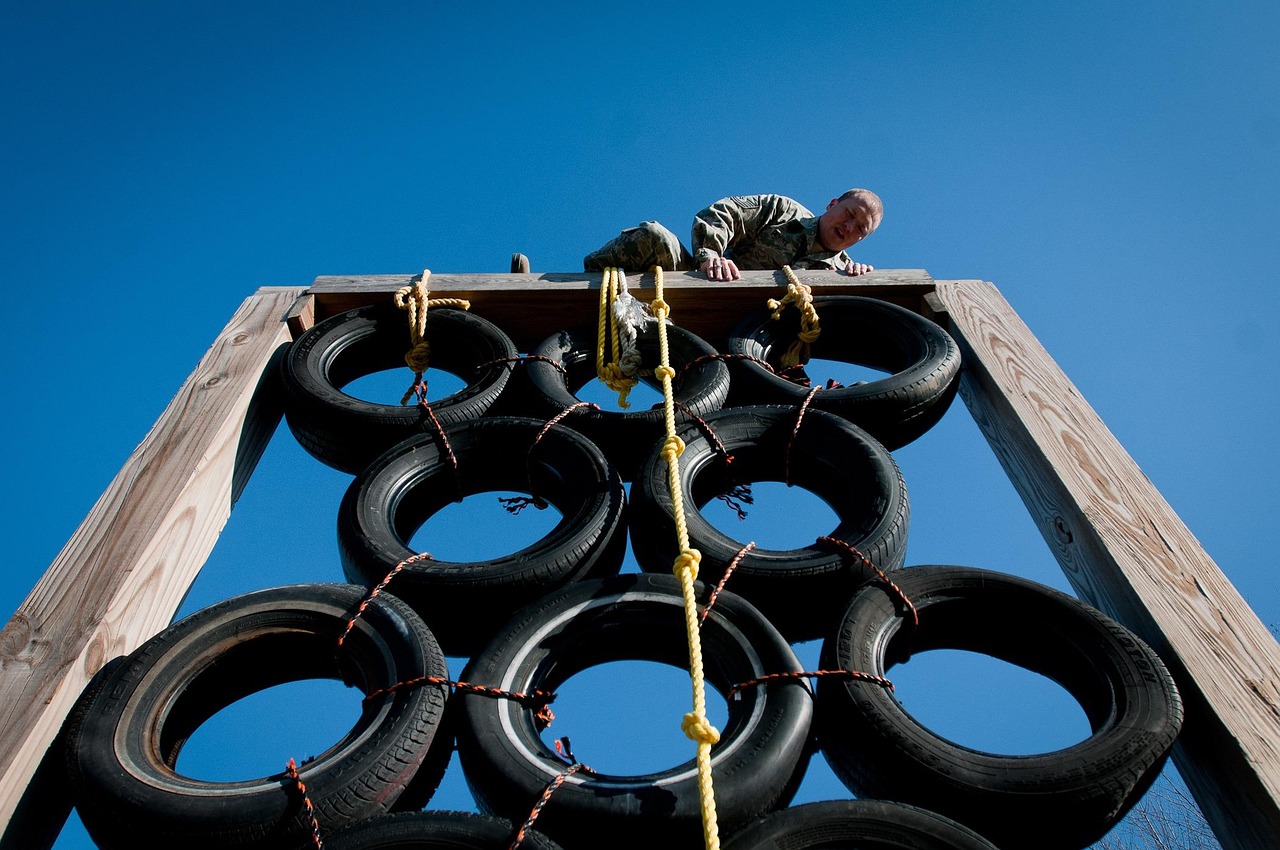
To further improve your OCR photography, utilizing specific techniques can lead to dynamic and engaging images. For starters, the use of continuous shooting mode is invaluable in fast-paced environments. This setting allows you to capture a burst of frames, ensuring you don’t miss those extraordinary moments as racers navigate obstacles. It’s essential to have a camera capable of high-speed shooting, which can produce sharp images even during intense movement. Moreover, positioning is critical; find angles that underscore the challenges competitors face. Shooting from slightly below or above the action can create dramatic perspectives. Incorporating wide-angle lenses can provide context to the action while showcasing the magnificent course layout. Another technique is to blur the background while keeping participants in focus. This can highlight their performance and determination, vividly depicting the thrills of OCR. Lastly, be wary of light; adjustable settings for backlighting or shadows can transform your photographic outcomes significantly. Embrace these techniques, and you’ll provide runners and event organizers with compelling visuals that capture the heart of Obstacle Course Racing.
Event diversity also plays an important role in photography. Different OCR events may feature unique themes or challenges that can influence the type of images created. Whether it’s mud-heavy races or those including fire, being aware of these specifics allows photographers to adapt their approach. For example, during a mud run, capturing the splashes and expressions of participants can translate those emotions into stunning photographs. Conversely, a nighttime course requires different techniques to manage low light. Knowledge of the varying elements standard to OCR races can shape your shooting strategy. It’s also vital to adapt to weather conditions, as environments can change abruptly. Keeping appropriate gear handy, such as waterproof camera bags and lens covers, can save equipment and enhance shooting opportunities. Also, consider utilizing remote triggers or drones to explore unique vantage points; they can create stunning aerial shots that showcase large groups as participants tackle obstacles. Always be prepared and flexible, with a plan A, B, and C. This adaptability will set your photography apart, making your work memorable and impactful for viewers.
Collaboration with Other Photographers
Collaboration can enhance photography, especially in a high-energy environment like OCR. Networking with other photographers can lead to diabetes and broader perspectives on shooting techniques and compositions. When participating in an event, define shared responsibilities for photographing different course sections, which can lead to robust visual diversity in the event coverage. Also, encourage the exchange of tips and tricks to boost overall image quality. Having a kindred spirit on-site can also motivate you throughout the day, especially during challenging backdrop conditions. Understanding that each photographer has a unique style encourages an appreciation of shared experiences. Taking time to learn from fellow creatives can spur your growth and open your eyes to new possibilities in OCR photography. Teaming up also enables collective coverage of diverse hurdles or notable highlights that single photographers may miss. If they’re capturing one angle, you can combine perspectives to create a comprehensive image gallery. Producing a team portfolio can be more attractive to event organizers seeking to highlight compelling instances throughout the race. Ultimately, collaboration enriches your storytelling capability while fostering community among event photographers.
Post-event engagement is equally essential in OCR photography. This involves not only editing your captured shots but also sharing them with event organizers and participants afterward. For instance, provide high-resolution images to race officials so they can utilize them for marketing material or future promotional efforts. Comprehensive coverage of the event can also reinforce valuable relationships between you and the organizers. Additionally, sharing selected images on social media platforms allows participants to reminisce about their experience and engage with your work. Tagging runners and festival staff can result in increased visibility for both your photography business and the OCR events. You can encourage storytelling around the photos; asking participants for their anecdotes can create a deeper connection to the image context. Consider publishing a blog post to recap each event, featuring captivating visuals, personal insights, and performance highlights. Create opportunities for followers to see the enjoyment OCR brings to individuals, showcasing the overall community. Sharing personal experiences alongside powerful visuals will enhance your portfolio while building trust with potential clients. Your engaging narrative will draw in audiences, ensuring they remain invested in your offerings.
Final Thoughts on OCR Photography
As you engage in the world of Obstacle Course Racing photography, keep in mind the significance of thorough preparation and collaboration. Building relationships with event organizers is fundamental, as they can provide insights and access to prime locations. This investment not only enriches your photography portfolio but fosters a sense of goodwill within the community. Stay adaptable on event day by being mindful of the atmosphere and the organic environment. Embrace various techniques and approaches that best suit the challenges you’re documenting. Utilize collaboration, not just with fellow photographers, but also with participants to create a rich tapestry of experiences showcased through your lens. Post event, continue reinforcing relationships and promote community engagement through social media and personalized outreach. Sharing stories will elevate your work and enhance the OCR experience for everyone involved. Ultimately, the art of photography in this sphere lies in capturing dynamic moments that resonate with viewers. It’s about telling powerful stories of perseverance, camaraderie, and excitement. Approach your talent as both an artist and a storyteller, providing a compelling visual narrative that recognizes the spirit of Obstacle Course Racing.
In summary, photographing Obstacle Course Racing requires creativity and keen planning. When collaborating with event organizers, leveraging their experience can lead to extraordinary outcomes. The excitement and determination of racers serve as limitless inspiration. Develop your photography style and techniques while respecting the event’s dynamics to create compelling images. Adaptability plays a vital role in capturing the essential elements that define OCR. Keep engaging with participants, event staff, and fellow shooters to foster relationships that can enhance your work. Each event becomes a unique opportunity to challenge yourself and elevate your craft. Celebrate the stories of passion and resilience showcased in OCR through your images. The journey is just as significant as the destination, and your approach as a photographer reflects this. Whether you’re shooting alone or with a team, create images that not only inform but inspire. Use your art as a way to shine a light on the dedication and joy present in the world of obstacle racing. By embracing community, respecting the experience, and finding your voice as an artist, you’ll leave a lasting impact on the OCR scene.