
Breathing Exercises to Improve Posture in Older Adults
Breathing exercises play a crucial role in enhancing posture among older adults. Emphasizing proper breathing can lead to significant physical benefits. When we practice deep and focused breathing techniques, we create a more favorable environment for our spine and muscles. The diaphragm descends, creating space for the lungs, which encourages better alignment. It is essential to understand how breathing retrains muscle memory and may assist in posture correction. Increasing lung capacity can lead to improved oxygenation of the muscles. A consistent practice of deep breathing helps elongate the spine effectively. In turn, this leads to better overall body awareness. Incorporating these exercises into daily routines assists with relaxation and reduces tension in tight muscles. Focus on breathing from the abdomen instead of shallow chest breathing for maximum impact. Combining these techniques with light stretching can provide immediate benefits, leading to a more upright posture. Regular practice ensures sustained improvements and prepares individuals for more advanced exercises. Engage in it as a mindful activity, enhancing both physical and mental well-being.
Understanding Breathing Techniques
Understanding effective breathing techniques is fundamental when it comes to enhancing posture. There are several methods to consider, including the 4-7-8 technique, where one inhales for four seconds, holds for seven seconds, and exhales over eight seconds. This particular sequence promotes relaxation and improved focus. Older adults can also benefit from abdominal breathing, which encourages deep diaphragmatic engagement. Abdominal breathing naturally aligns the spine by reducing tension. Utilizing these techniques discreetly during the day can rewire one’s habitual posture over time. Another useful exercise is diaphragmatic breathing, where the emphasis remains on the downward movement of the diaphragm. This method allows individuals to gain lung capacity and grow stronger abdominal muscles. Better posture is tied to the strength of these muscles. When these muscles engage properly, they support the spine efficiently. Practicing humming while exhaling can lead to greater abdominal control. It also brings a sense of calmness, creating a soothing routine. These techniques can be easily blended into daily life. Consistency is essential for achieving long-lasting benefits in posture and overall health.
Integrating breathing exercises into a routine requires proper awareness regarding body positioning. When standing, aligning the head, shoulders, and hips maintains balance. To enhance effectiveness, take note of how the breath feels during activities. Initiating the practice by placing one hand on the belly and the other on the chest is beneficial. This method helps individuals recognize where they are breathing from. Focusing on preventing the chest from moving excessively while the abdomen expands will yield better results. Breathing into the belly enables a more significant range of motion in the core and helps reduce stiffness. Commit to performing these exercises while maintaining an upright posture throughout. Awareness can be drawn from daily activities such as standing or walking. Prioritizing correct body alignment while engaging in these exercises reinforces the importance of good posture. Consistent practice enables older adults to discover natural pathways to enhance physical wellness. Furthermore, combining these exercises with concurrent physical activities will promote stronger muscle connections. Ultimately, the outcome leads to a more confident presence, which boosts overall quality of life.
Breathing and Mindfulness
Integrating mindfulness into breathing exercises can amplify their effects on posture. Mindfulness encourages individuals to pay attention to their breath and body sensations, fostering greater awareness. During the practice of deep breathing, take note of the physical sensations in the chest and abdomen. Observe the rise and fall of your body, appreciating the moment of stillness. This form of meditation complements breathing exercises by calming the mind and reducing stress. Stress can contribute significantly to poor posture through muscle tension and spasm. Therefore, working through mindfulness simultaneously is essential. Adopting a daily mindfulness practice can assist in creating a mind-body connection that is crucial for postural awareness. Aim for brief sessions initially and gradually increase duration. Utilize visualization techniques while breathing to imagine the spine feeling taller and more aligned. Additionally, using guided imagery can create a clear mental picture of proper posture. Practicing mindfulness while engaging in other activities, such as walking, could reinforce acquired skills. Focus on breathing deeply with each step. Embrace posture-enhancing breathing exercises as part of a holistic health routine that also serves to improve mental well-being.
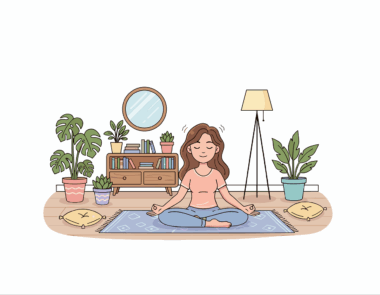
Enhancing overall posture through breathing exercises necessitates a supportive environment. This means creating an area where older adults can practice these techniques comfortably. Lighting, space, and ambient sounds can significantly influence their practice experience. Encourage individuals to choose a quiet space with ample natural light. This can enhance feelings of relaxation and encourage consistent practice. It’s also worthwhile to incorporate supportive equipment, such as yoga blocks, for comfort during breathing exercises. For those new to this realm, simple chair exercises integrating breath can boost confidence, making it easier to transition to floor exercises. Incorporate movement with breath awareness, using gentle upper body stretches. Engage individuals’ senses by becoming aware of sounds and scents enhancing their experience while deep breathing. Practicing with others can be motivating, facilitating greater accountability. Group practice can foster a sense of community while promoting positivity and encouragement. Involve teachers familiar with these techniques to guide sessions effectively. Class environments allow for the sharing of experiences and foster encouragement. The practice of regular breathing exercises ultimately aids in maintaining a healthy posture that supports overall wellness.
Tracking Progress
Tracking progress when engaging in breathing exercises offers valuable insights into physical improvements. Keeping a journal dedicated to this practice emphasizes achievement recognition. Regularly noting down feelings associated with posture can highlight beneficial changes over time. Document any changes in energy levels, flexibility, or tension reduction. Consistent recording heightens awareness of trends and enables adaptations in techniques. Finding a positive support group can enhance accountability, motivating participants to excel in their practice. Supportive friends or family members can join in and share their insights, adding dividends to joint progress. Incorporating feedback can help individuals refine their approach toward breathing exercises and postural improvements. Focus on specific breathing exercises to evaluate how they contribute to posture over weeks. Set realistic goals to make progress more achievable. Consider minor achievements an important part of the journey. Each successful effort deserves recognition, whether improved energy or minor posture enhancements. Celebrating these milestones fosters a motivated mindset and encourages perseverance. Engaging with professionals who specialize in older adult fitness could ensure overall success. This, in turn, enhances both physical and mental aspects.
In conclusion, breathing exercises represent a powerful tool for improving posture in older adults. Incorporating breath techniques fosters significant physical transformation over time while enhancing overall well-being. Practicing mindfulness when focusing on breath further supports these improvements. Developing a consistent routine ensures lasting benefits, and adapting exercises for individual needs encourages embracing wellness. Utilizing tracking techniques to measure progress cultivates a supportive environment that encourages commitment. As older adults deepen their understanding of breathing effects on posture, the need for conscious engagement becomes clear. Regular participation in targeted exercises ensures the development of supportive muscle groups essential for proper posture. The relationships between breath, movement, and mindfulness creates holistic benefits, aligning physical and mental health. Ultimately, placing great emphasis on a positive approach to these exercises encourages resilience and mindfulness for older adults. Making intentional efforts to prioritize breathing practices leads to improved postural alignment and emotional stability. Regular practice allows older adults to navigate daily life with greater ease and security. Breathing exercises not only improve physical posture but also instill a sense of empowerment that reflects in their daily interactions.
Overview of Breathing Exercises
The importance of enhanced breathing techniques cannot be overstated in the realm of senior fitness. As older adults often experience changes in lung function, engaging in specific breathing exercises can yield numerous benefits. These exercises promote better lung capacity, aiding oxygen delivery throughout the body. Furthermore, efficient breathing synchronizes with posture alignment. The alignment of the spine is directly influenced by the way one breathes. This means that focusing on deep, controlled breaths can lead to improved spine health. Particularly, exercises that incorporate prolonged exhalation encourage relaxation of the diaphragm; this is essential in maintaining good posture. Research suggests that practicing regulated breathing aligns the body’s muscular system more effectively. Incorporating breathing techniques into regular workouts can enhance overall performance levels. Additionally, older adults can find these exercises easy to incorporate into daily routines. Pairing breathing techniques with recreational activities, such as yoga or tai chi, results in a comprehensive approach to health. Always encourage individuals to focus on comfort and awareness during practice. This allows for flexibility in approach while nurturing their fitness journey.