
Cross-Training Exercises to Enhance Triathlon Swimming Performance
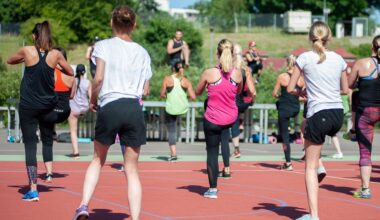
To improve your triathlon swimming performance, integrating cross-training exercises can significantly yield results. One effective exercise is cycling, which enhances cardiovascular endurance and leg strength crucial for swimming strokes. Engaging in regular cycling sessions will develop your overall fitness, promoting better oxygen delivery to muscles during the swim. Additionally, it helps in improving hip flexibility, benefiting your kick technique in the water. Resistance training with weights builds core and shoulder strength, essential for propelling through water efficiently. This type of training focuses on exercises like bench presses, deadlifts, and squats. Another beneficial workout includes bodyweight exercises like push-ups and pull-ups. By enhancing your upper body strength, these exercises can improve your stroke power and endurance during longer swims. Swimming-specific drills can also help, such as using pull buoys to isolate your arm movements. This enables you to focus on your swimming technique, reinforcing the necessary muscles. Ultimately, diversifying your training regimen using cross-training will enhance your efficiency and speed in competitions. Remember to gradually incorporate these exercises while monitoring your body for optimal performance outcomes.
Core stability is vital for every triathlete, impacting your swimming stroke and overall performance. Strengthening your core will provide better support, enabling efficient body positioning while swimming. Exercises such as planks, medicine ball rotations, and stability ball workouts not only develop your core strength but also enhance balance. Integrating yoga or Pilates can further improve your flexibility and core strength, reducing the chances of muscle injuries. Additionally, these practices emphasize breathing techniques, which may prove beneficial during your swim. Regular practice of swimming drills like catch-up and fingertip drag can refine your stroke technique. Performing intervals can also prepare your body for the race-day challenges by mimicking the competition conditions. Engaging different muscle groups through various swimming and dryland workouts builds overall body strength. Create a training schedule that includes swimming, cycling, running, and body strength workouts. This diverse approach avoids plateaus and keeps your program engaging, allowing for better performance gains. Lastly, seek guidance from a coach or experienced triathlete to tailor a routine that meets your individual needs, ensuring improvements in swimming efficiency.
Flexibility and Recovery Strategies
In the world of triathlon swimming, flexibility serves as a critical component for performance enhancement. Adequate stretching routines should focus on the shoulders, hips, and legs, which all play significant roles in swimming efficiency. Incorporating exercises like dynamic stretches before workouts and static stretches post-swim will promote muscle recovery and flexibility. Another excellent method is foam rolling. This technique increases blood flow to the muscles, reducing soreness while improving recovery. Regularly using foam rollers can help alleviate tension in tight muscles, allowing improved range of motion during swims. Recovery strategies should prioritize rest days and proper hydration, as they are crucial for muscle repair and growth. Adequate sleep and nutrition play pivotal roles in maintaining energy levels and overall performance. Implementing active recovery days with light swimming, cycling, or yoga can facilitate a smooth recovery process. As you improve your flexibility and recovery strategies, you will observe a direct correlation with your swim durability and performance. By combining strategic flexibility training and recovery tactics, swimmers can significantly improve their overall fitness and efficiency.
Another key element aiding triathlon swimming enhancement is mental training. Developing a strong mental game is essential when approaching competitions or intense training sessions. Visualization techniques can be employed, where athletes imagine themselves overcoming challenges and swimming efficiently. This mindset training builds confidence and prepares participants mentally for race day. Engaging in mindfulness meditation and breathing exercises can also reduce pre-competition anxiety, promoting a calm and focused state of mind. These techniques help athletes stay present and respond better to unexpected challenges in the water. Additionally, setting achievable goals can motivate swimmers while refining their skills. Establish specific, measurable, achievable, relevant, and time-based goals throughout the training cycle. Staying committed to a clearly defined plan boosts accountability, leading to performance improvements. Furthermore, attending workshops or group training can introduce new techniques, offering opportunities to learn from peers. Surrounding yourself with like-minded individuals can positively influence your training and provide valuable insights. Thus, integrating mental training into your routine serves as the final piece of a well-rounded strategy for succeeding in triathlon swimming.
Nutrition for Enhanced Performance
Nutritional strategies are pivotal components to achieving peak performance in triathlon swimming. Appropriate fuel before and after swimming sessions can significantly impact energy levels and recovery speeds. Focus on a diet that comprises carbohydrates, proteins, healthy fats, vitamins, and minerals essential for sustaining endurance during races. Prioritize complex carbohydrates like whole grains and fruits for continuous energy release. Protein sources such as lean meats, dairy products, or plant-based options help rebuild muscles after workouts, enhancing recovery. Hydration plays an equally vital role. Dehydration can impair performance, leading to detrimental effects on strength and endurance. Thus, triathletes must monitor daily water intake and implement electrolyte replenishment strategies when necessary. Pre-competition meals should be well-planned, consisting of familiar foods that provide sustained energy without causing gastrointestinal distress. Post-race nutrition should focus on recovery, targeting muscle repair and hydration. Finally, considering supplementation with vitamins or specific nutrients under professional guidance may help fill dietary gaps. Balancing these nutritional components will buffer energy levels, improve stamina, and accelerate the recovery process, ultimately enhancing triathlon swimming performance.
Incorporating technology into your training can significantly enhance your swimming performance as a triathlete. Swim watches, heart rate monitors, and swim apps provide extensive data on your performance metrics, allowing you to track improvements efficiently. Such technologies offer insights into your stroke count, distance, and pace, effectively aiding in refining techniques. Analyzing this data helps you strategize workouts tailored to your goals. For instance, understanding your heart rate zones can optimize your training efficiency, ensuring you do not overtrain. Under proper guidance from experienced coaches, these metrics can assist in identifying areas that require improvement, maximizing your potential in triathlon competitions. Further, using video analysis can provide a visual understanding of your swimming form. Coaches or teammates can record your swim sessions to assess technique, stroke efficiency, and body alignment closely. This feedback loop allows for immediate corrections and adjustments in performance. Embracing technological advancements empowers triathletes to optimize their training and simplify the process of improving swim techniques, culminating in enriched performance levels and heightened race-day success.
Additional Tips to Boost Swim Training
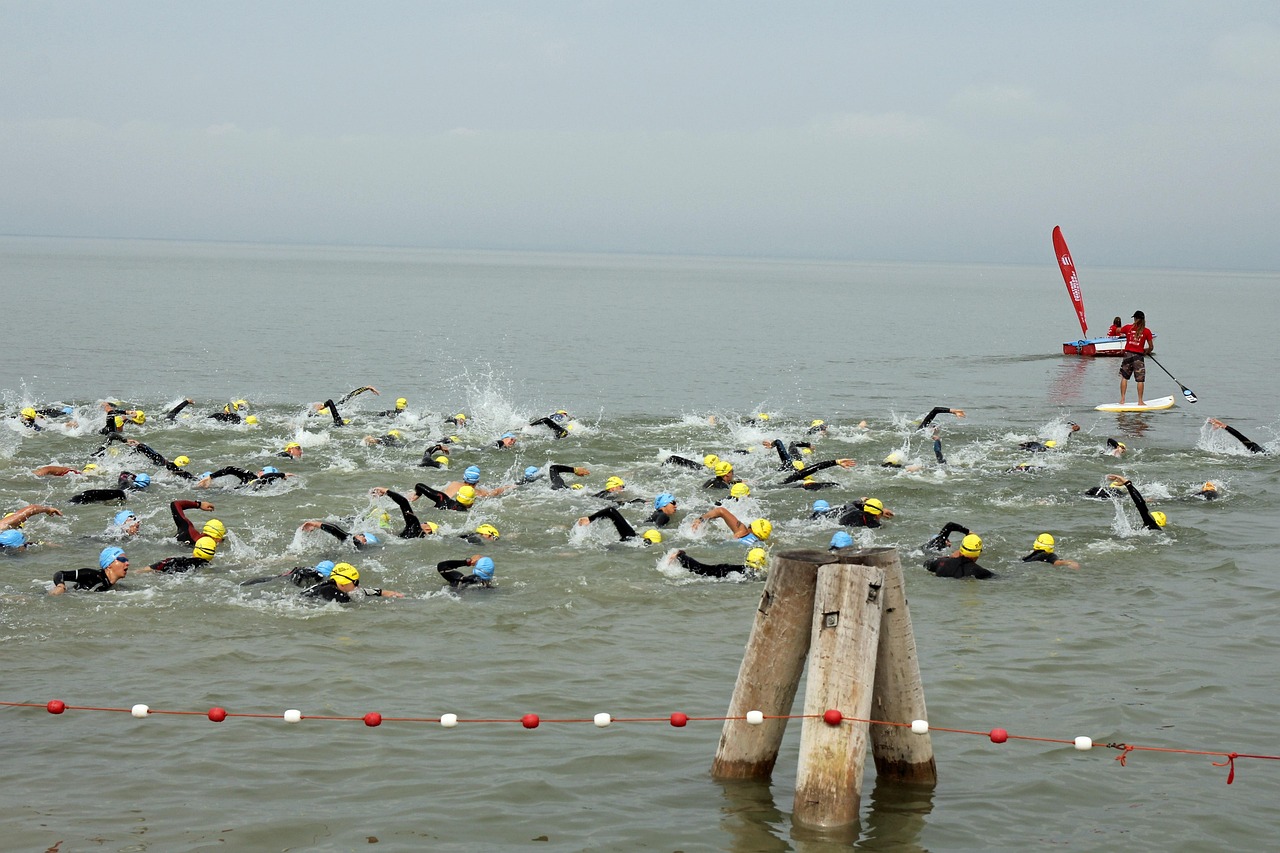
To consistently enhance triathlon swimming performance, it’s crucial to explore various training methodologies. Variations in swim strokes—between freestyle, breaststroke, backstroke, and butterfly—develop diverse muscle groups while preventing boredom in your routine. Mixing different strokes can enhance versatility, crucial during competitions where fatigue can set in. Implementing intervals during sessions trains your body to tackle varying speeds, simulating race conditions. Focus on incorporating short bursts of high-intensity swimming followed by adequate recovery to condition your muscles effectively. Engaging in open water swims can significantly improve comfort levels in triathlons, where navigating waves and currents differs from pool training. Practicing in these conditions builds resistance against unexpected situations during competitions. Lastly, participating in clinics focused on swim techniques can expose you to new methods, breaking down your technique for improvement. Utilizing experienced coaches for additional perspectives will only sharpen your skills further. Ultimately, blending these diverse tips while maintaining consistency within your training regimen can yield remarkable performance enhancements in your triathlon swimming.
In summary, modifying your training approach through cross-training exercises offers optimal benefits for triathlon swimming improvement. The integration of cycling, resistance training, and flexibility exercises creates a well-rounded program. Focusing on building a strong core and incorporating mental training ensures a comprehensive preparation for challenges in the water. Attention to nutritional needs and hydration plays an integral part in sustaining energy levels and performance efficiency. Moreover, utilizing technology allows for performance tracking, facilitating adjustments for maximum improvement. Exploring different swim strokes, maintaining a varied training routine, and practicing in open water can maintain engagement and optimize skills. Additionally, seeking guidance from experienced athletes or coaches will further enhance your development while ensuring accountability in your training. Gradually implementing these strategies within your regimen will yield substantial results, enhancing both endurance and efficiency in swimming. Lastly, remember to monitor progress continuously, celebrating achievements along the way. Modifying your methodology in engaging ways can sustain motivation and fuel your goal of surpassing personal bests. With diligence and commitment, triathlon swimming can become an area of outstanding expertise.