
Ethical Challenges of Prosthetics and Assistive Devices in Paralympic Events
Paralympic athletes exhibit extraordinary determination and skill, competing at elite levels while overcoming significant physical limitations. However, the introduction of prosthetics and assistive devices raises critical ethical questions regarding fairness and competition. As these technologies advance, they often blur the lines of what constitutes an advantage. This situation leads to ongoing debates surrounding the ethical implications of using various assistive devices. The core ethical concerns usually revolve around equity, safety, and the integrity of competition. Should there be limits on how enhanced athletes can be? The discussions highlight how different approaches to technology can impact performance. Various stakeholders, including sports organizations, athletes themselves, and the public, contribute to the varied opinions on these issues. The ethical frameworks guiding these discussions often reflect deeply held values about sport, competition, and disability. Therefore, identifying clear guidelines for the use of prosthetics and other assistive technologies in Paralympic sports remains an uphill task. Creating policies that balance innovation with fairness is crucial in preserving the spirit of sportsmanship.
The classification systems used in Paralympic sports serve as a basis for ensuring fair competition among athletes with disabilities. These systems aim to group athletes based on their functional abilities, but they become complicated when factoring in the diverse use of prosthetics and assistive devices. For example, an athlete using advanced technology might compete differently than someone with more traditional forms of aid. This situation raises ethical concerns about whether these athletes are fairly matched in events. Advocates argue that excellent performance should be linked to talent rather than technology. To effectively navigate these issues, sports regulatory bodies must continually refine their classification methodologies and consider the latest advancements in technology. Ensuring equitable opportunities for all athletes requires constant dialogue and iterative processes based on available scientific evidence. Current systems can inadvertently favor certain technologies, leading to ethical dilemmas regarding which athletes remain included or excluded in the sporting landscape. As technology progresses, committees must reassess and adjust classifications for the sake of competitive integrity, ensuring that individual differences are adequately recognized. Ultimately, a fair competition environment can uphold the core values associated with the Paralympic Movement.
Impact of Technology on Athlete Performance
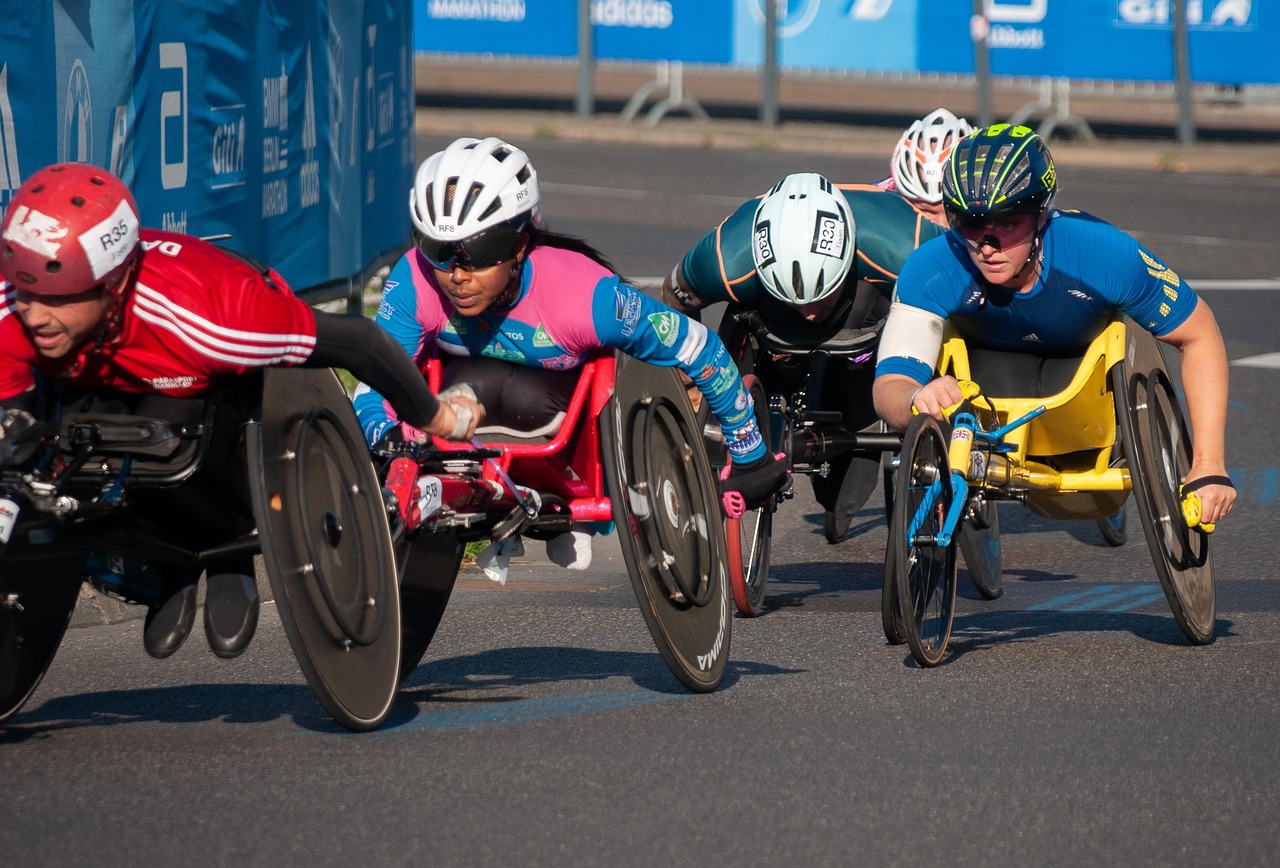
The integration of technology in sports, particularly in the Paralympic context, has raised practical concerns about performance enhancement. Prosthetics and assistive devices designed for athletes can amplify abilities, enabling them to compete against others with significant disabilities. However, this amplification creates a debate on whether some athletes experience an unfair advantage due to technologically enhanced equipment. Critics argue that sophisticated prosthetics can elevate performance levels beyond what natural abilities would allow, thus compromising the essence of fair play. The use of audit measures and performance assessments can provide insights into whether an athlete’s performance results are due to their physical capabilities or the technological superiority of their equipment. To ensure fairness among all competitors, regulatory frameworks must stay ahead of these technological advancements. By assessing the potential impacts of equipment on performance, regulatory bodies can propose regulations that mitigate the advantages that technology may provide. Appropriately addressing these concerns is vital to uphold the fundamental virtues of competition, especially in an environment emphasizing equality and the spirit of inclusion.
Another critical aspect of the ethical considerations surrounding prosthetics in Paralympic sports is the issue of accessibility. Not all athletes have equal access to advanced prosthetic technology, which can significantly influence competitive outcomes. The disparity in access can lead to unequal opportunities for athletes, raising ethical questions about inclusivity within the sport. As advanced prosthetic technologies often involve high production costs and sophisticated research, only a few athletes might possess access to these resources. This divide could create a division in performance levels and affect the overall fairness within the events. Additionally, athletes from underprivileged backgrounds may not always receive the specialized training or financial support necessary for optimal performance using these technologies. As a response, advocacy for equitable access to cutting-edge assistive devices becomes essential for ensuring an inclusive and fair competitive atmosphere. Ensuring that all athletes can access the same quality of equipment prompts the sports community to recognize financial limitations. A practical approach would be developing initiatives aimed at providing funding or subsidies so that all Paralympians can compete on a more level playing field.
Societal Perceptions and Their Influence
The societal perceptions of disability and technology can also play a crucial role in the narrative surrounding Paralympic sports and ethical considerations. How society views the athletes, their abilities, and the assistive technologies they use can shape public attitudes and acceptance of these devices. When portrayed positively, assistive technologies can foster empowerment and break down stereotypes about disability. On the other hand, negative perceptions can lead to stigmatization and questioning the legitimacy of achievements by athletes utilizing advanced prosthetics. Engaging public discourse regarding the role of technology in sports can help build a more nuanced understanding and develop respect for the challenges competed against by Paralympic athletes. Conversations focused on these perspectives foster greater inclusion in sporting events, as well as acceptance of athletes and their tools as legitimate components of the sporting landscape. In turn, encouraging acceptance can lead to wider support for athletes. This cultural shift toward a more understanding perspective can enhance the overall atmosphere around Paralympics, emphasizing the value of determination over the mere use of assisted devices for competition.
Additionally, the need for ongoing research and dialogue is crucial for addressing ethical considerations surrounding prosthetic technology in Paralympic sports. The sports community, inclusive of athletes, coaches, and organizations, must actively engage in conversations about the ethical ramifications of employing advanced prosthetics. Research that focuses on the effects of technology on performance and fair play must be prioritized to eliminate potential biases. Furthermore, hearings and open forums can serve as platforms for athletes’ voices, allowing them to contribute insights on how technology impacts their experience within the sport. Encouraging such discourse ensures that ethical guidelines surrounding technology usage evolve in alignment with technological growth. Ongoing collaboration among scientists, ethicists, and regulators is essential to develop comprehensive frameworks that promote equity and integrity in sports. Additionally, these frameworks should readily adapt to new technologies so that they remain relevant. By fostering a culture of openness that welcomes diverse feedback, the Paralympic Movement can enhance its mission to inspire and empower athletes while maintaining the ethical standards upheld by these significant events.
The Future of Prosthetics in Paralympic Sports
Looking ahead, the future of prosthetics and assistive devices in Paralympic sports remains a dynamic and ever-evolving field. Continuous advancements in technology, including materials science and engineering, promise to lead to more sophisticated and effective devices. These advancements create a vital responsibility for governing bodies to stay informed about how innovations affect competitive equity. Ethical discussions must continue to unfold in light of these developments, as they hold the potential to redefine performance standards and influences in the sporting arena. The continuous integration of cutting-edge devices necessitates a balance between facilitating improvements for athletes and maintaining the competitive essence of sports. This balance can be achieved by regularly reassessing classifications and ensuring that guidelines remain uncompromised by technological advancement. Additionally, engaging the broader community—athletes, experts, and the general public—is crucial for fostering a well-rounded discussion about the future directions in sport. By combining technology with ethical practices, the Paralympic sports community can frame a progressive, inclusive narrative that respects the deep bond between athletics and innate human potential. In embracing these challenges, the spirit of sport can thrive.
Another critical aspect of the ethical considerations surrounding prosthetics in Paralympic sports is the issue of accessibility. Not all athletes have equal access to advanced prosthetic technology, which can significantly influence competitive outcomes. The disparity in access can lead to unequal opportunities for athletes, raising ethical questions about inclusivity within the sport. As advanced prosthetic technologies often involve high production costs and sophisticated research, only a few athletes might possess access to these resources. This divide could create a division in performance levels and affect the overall fairness within the events. Additionally, athletes from underprivileged backgrounds may not always receive the specialized training or financial support necessary for optimal performance using these technologies. As a response, advocacy for equitable access to cutting-edge assistive devices becomes essential for ensuring an inclusive and fair competitive atmosphere. Ensuring that all athletes can access the same quality of equipment prompts the sports community to recognize financial limitations. A practical approach would be developing initiatives aimed at providing funding or subsidies so that all Paralympians can compete on a more level playing field.