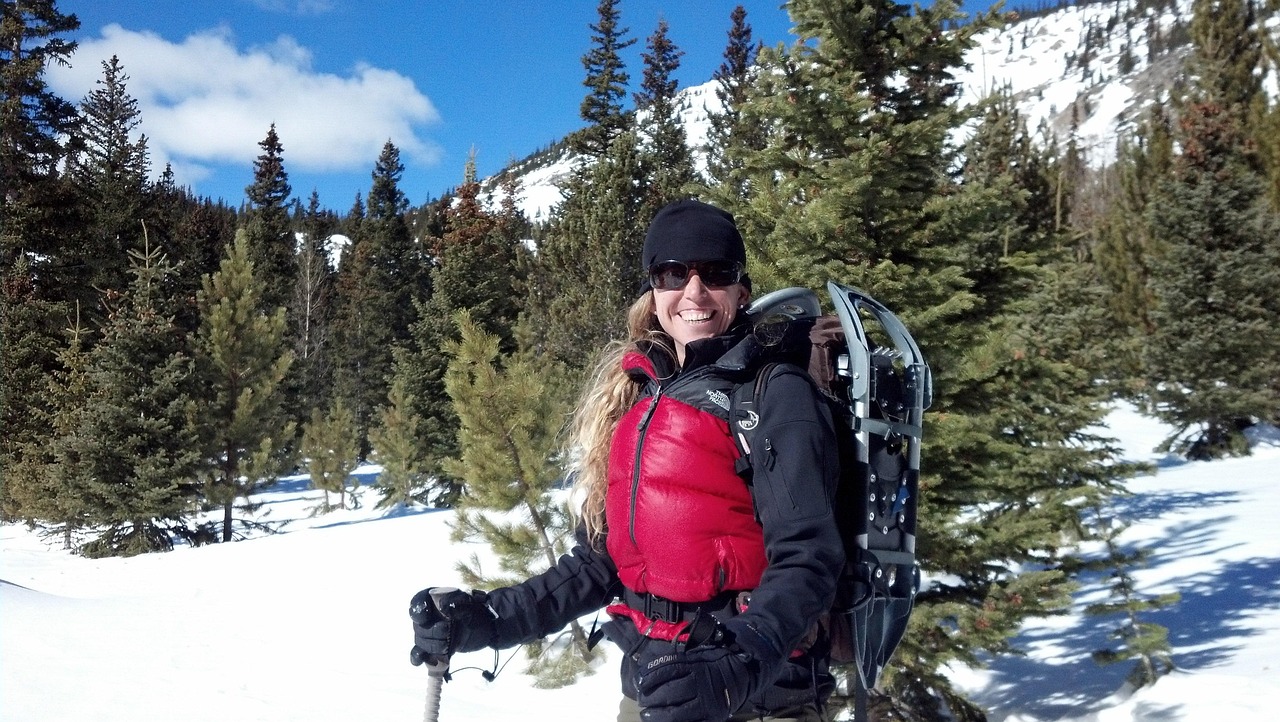

How to Prepare Physically for Challenging Snowshoeing Expeditions
Engaging in snowshoeing is a unique outdoor adventure that can be thrilling yet physically demanding. To fully enjoy this experience, it’s essential to prepare your body adequately. Begin by focusing on your overall fitness levels, as good physical condition will help you navigate challenging terrains. Start incorporating cardiovascular exercises into your routine. Activities like running, cycling, or swimming can boost your endurance. Aim for at least 30 minutes of moderate-intensity cardio at least three times a week. Additionally, strength training plays a crucial role. Focus on your legs, core, and upper body to build the necessary muscle strength. Incorporate exercises like squats, lunges, and planks into your regimen. Regular practice will enhance your stability and balance, critical in snowy, uneven terrains. Don’t neglect flexibility training. Stretching and yoga can help maintain your range of motion and prevent injuries. Finally, consider trying shorter snowshoeing outings. This introduction allows you to gradually acclimate your body to longer, more strenuous hikes. Doing so also helps familiarize you with the specific demands of snowshoeing, contributing to a more enjoyable and successful expedition.
As the day of your snowshoeing expedition approaches, it’s important to fine-tune your training. Ensure your nutrition is on point; consume a balanced diet rich in carbohydrates, proteins, and healthy fats. Carbohydrates provide the energy needed for endurance activities, while proteins assist in muscle recovery and growth. Foods such as whole grains, fruits, vegetables, and lean proteins should dominate your meals. Hydration is equally crucial. Drink enough water daily, even before the trip, to avoid dehydration. During your outings, keep electrolyte-replenishing beverages handy, especially as snowshoeing can be strenuous. If you’re uncertain about your fitness levels, consider discussing a personalized training program or seeking guidance from a fitness trainer experienced in outdoor activities. Tailoring your workout plan based on your specific needs will lead to better results. It’s helpful to design a schedule that gradually increases in intensity as the expedition approaches. Including rest days is essential, providing your body ample time to recover. Good recovery practices enable your muscles to repair and grow stronger, preparing you for the challenges ahead. Finally, test your gear during training hikes to ensure comfort and compatibility.
Building Endurance for Snowshoeing
Building your endurance is fundamental for any winter sport, especially snowshoeing. Begin with continuous cardio workouts that gradually increase both in duration and intensity over time. Long, steady-state cardio sessions will help develop your base endurance level. Consider cross-training activities like swimming or cycling, which can maintain cardiovascular fitness while reducing the impact on your joints. Add interval training to your routine; this combines short bursts of high-intensity activity with recovery periods. Studies show that this form of training improves both aerobic and anaerobic capacities, allowing you to manage intense snowshoeing sessions better. Remember to track your progress through training logs or fitness apps; adjusting your regimen based on performance feedback can enhance results. On snowy days, try to incorporate specific snowshoeing skills into your training, perhaps by working out on an inclined surface. Challenges like hiking uphill can simulate actual snowshoeing conditions, improving both strength and cardiovascular fitness. Practicing movement patterns relevant to snowshoeing will transfer movement and make your body more adaptable to the adventure’s real demands. In your preparation, ensure that your shoes and gear fit properly to avoid blisters and other discomforts.
Snowshoeing requires a unique blend of strength and endurance, so maintaining your overall body fitness is vital. Your legs need to be particularly strong, as they propel you through thick snow. Include exercises like deadlifts and step-ups to effectively build lower body strength. Building up your quads, hamstrings, and calves can help with uphill climbing as well as improving your speed. In addition to leg workouts, include movements that engage your core muscles. A strong core stabilizes your body during dynamic movements and supports balance on unstable surfaces. Add planks, bridges, and rotational exercises to your training. Incorporate upper-body workouts as well, as an effective upper body supports your overall performance. Activities such as push-ups, shoulder presses, and rows will enhance your strength and endurance in this area. Moreover, consider combining your strength sessions with functional training. Movements that mimic snowshoeing motions improve coordination and prepare your body for the specific motions required. Balance training is essential; exercises like single-leg stands or stability ball techniques can help prevent slips and falls on uneven snow. Use tools like a stability board or an exercise ball to enhance training effectiveness.
Safety Tips for Winter Training
Training during winter months presents unique challenges and potential risks; thus, it’s essential to prioritize safety throughout your preparation. Dress in layers to regulate temperature effectively. Base layers wick moisture away, while insulating layers keep body heat. The outermost layer should be wind-resistant and waterproof to prevent cold or wetness. Always wear appropriate snowshoes designed for different types of terrain, and don’t forget to invest in quality thermal clothing that ensures comfort and optimal performance. It’s a good idea to train with a partner or in groups, as this can motivate you while also providing safety in case of emergencies. Furthermore, familiarize yourself with any training routes you choose; understanding potential hazards increases safety. Consider taking a first aid course that addresses cold-related injuries, as this knowledge could be invaluable during snowshoeing trips. Carry a small pack with essentials when heading out, including snacks, water, a map, and emergency gear. Also, check weather forecasts before setting out on training sessions; be aware of changing conditions to make informed decisions. Training during daylight hours reduces risks associated with low visibility, enabling you to remain aware of your environment.
Mental preparation is just as crucial as physical readiness when preparing for snowshoeing expeditions. Developing a positive mindset will enhance your overall experience. Set achievable training goals to keep you motivated and focused. Documenting your progress can foster a deeper sense of accomplishment, helping to reinforce your commitment to the training process. Engage in visualization techniques; visualize yourself successfully completing challenging trails, which enhances performance and builds confidence for actual scenarios. Learning stress management techniques can mitigate anxiety related to snowshoeing challenges, allowing you to remain calm and composed. Focus on your breathing; deep and controlled breathing can maintain mental clarity and elevate performance levels. Engaging in meditation or yoga also promotes a sense of calmness and clarity, helping combat nerves and enhancing overall mental resilience. Seek inspiration through stories or videos about successful snowshoers to boost your enthusiasm for the activity. Motivation can significantly influence your training consistency and overall enjoyment. Connect with like-minded individuals through social media or local clubs to cultivate a supportive community. Sharing experiences fosters motivation and encourages commitment to achieving your snowshoeing goals while also enjoying the journey towards preparing for the expedition.
Final Thoughts Before Your Expedition
As you approach your snowshoeing expedition day, reflect on the training you’ve completed, and ensure your gear is prepared. Double-check equipment, including snowshoes, trekking poles, and appropriate clothing, to confirm they are in excellent condition. Pack extra gear like gloves, hats, and food to sustain energy levels during the adventure. On the night before your expedition, rest adequately; sleep plays a vital role in recovery and preparation. It’s essential for maximizing performance and maintaining energy levels during your trip. The day of your outing, consume a hearty breakfast that combines carbohydrates and proteins for sustained energy. A proper warm-up before commencing your snowshoeing activity prepares your muscles and reduces the risk of injuries. Stay alert and adapt to changing snow conditions or routes; being flexible allows for adjustments that maintain safety during your journey. Lastly, take time to enjoy the experience; savor the beauty and serenity of the snow-covered landscapes around you. Focus on the adventure rather than just the challenges it may present. This mindset enables you to connect with your surroundings deeply and appreciate the effort you’ve invested in training and preparation.