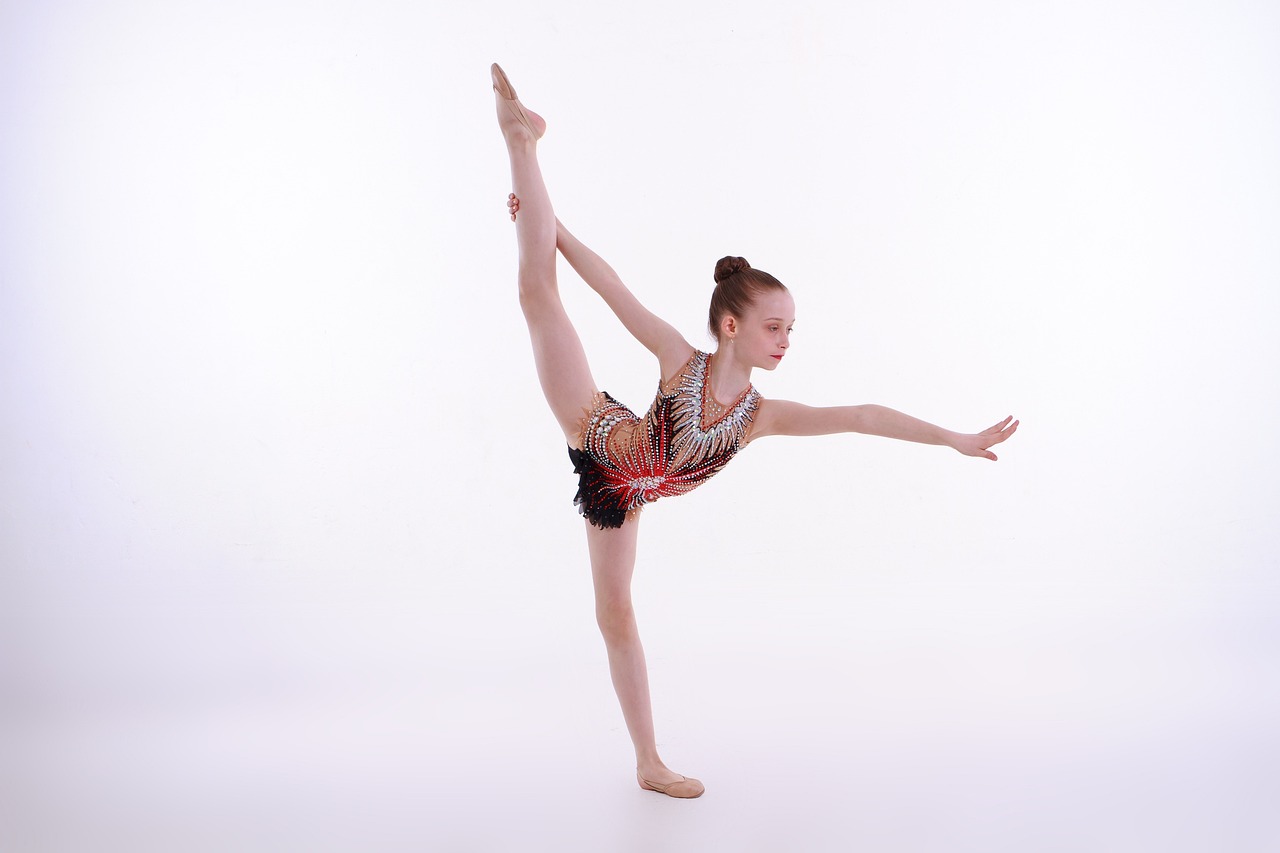

Incorporating Flexibility Exercises in After-School Fitness Programs
Flexibility exercises are essential for enhancing children’s development, particularly in after-school fitness programs. Such exercises help to increase the range of motion in the joints and muscles, promoting better overall physical health. Typically overlooked, flexibility can significantly improve athletic performance, reduce injury risks, and foster a positive attitude towards fitness. By incorporating flexibility routines into these programs, instructors can cultivate a holistic approach to fitness for kids. These exercises not only improve physical capabilities but also enhance concentration and relaxation, which are important for all-round development. Additionally, introducing fun and engaging flexibility activities can stimulate their interest and motivate consistent participation. Simple stretches can be executed in teams, making flexibility exercises enjoyable and social. Tailored routines using playful methods, such as animal movements or dance-inspired stretches, can effectively engage children. Moreover, educating kids about the advantages of these exercises will encourage lifelong habits. Keeping the sessions light-hearted while focusing on proper techniques will ensure safety and effectiveness. Creating a positive environment where children feel valued and excited about stretching can lead to significant progress. Ultimately, flexibility exercises can be a valuable addition to their fitness journey.
Implementing a variety of stretching routines provides kids with numerous benefits. Strengthening flexibility allows children to feel more comfortable during physical activities, reducing their risk of injury. Dynamic stretches can be introduced at the beginning of sessions to prepare muscles for movement, enhancing performance. Conversely, static stretches, held for a longer duration, can help cool down after intense activity, reassuring kids’ bodies and minds. Including stretches from diverse disciplines, such as yoga and martial arts, can expose children to various cultures and practices. These influences can promote curiosity and expand their horizons through movement. Encouraging peer support during flexibility exercises cultivates teamwork, trust, and a sense of belonging. Partner stretches can be particularly effective in creating enjoyable experiences while enhancing the social aspects of fitness. Fitness instructors play a crucial role in guiding proper techniques, ensuring safety, and preventing injuries. Providing clear instructions and demonstrating each stretch ensures all participants are on the right track. Monitoring progress with fun challenges can make learning fun for everyone involved. Through these efforts, programs can build a strong foundation for vital flexibility skills while making after-school activities enjoyable and fulfilling for kids.
One important aspect of incorporating flexibility exercises in after-school fitness programs is adapting routines to suit varying age groups. Younger children may benefit from basic and playful stretches, focusing on having fun while learning about movement. As kids grow older, more advanced techniques can be introduced, building upon their existing skills. It is crucial to consider the children’s developmental stages because their physical capabilities and attention spans evolve over time. Customizing programs ensures that exercises are age-appropriate, fostering a sense of achievement. Providing opportunities for older children to mentor younger ones can enhance their learning experience by reinforcing the importance of flexibility while allowing them to develop leadership skills. Additionally, offering resources and videos for parents can encourage further practice at home. Encouraging families to participate can strengthen their bonds while promoting healthy habits outside the designated program. Incorporating themed weeks, such as flexibility week, can create excitement about fitness and keep kids engaged. Participation can be bolstered through rewards systems that acknowledge progress in flexibility skills. These initiatives can foster an inclusive and supportive atmosphere that promotes resilience and camaraderie within fitness programs.
Benefits of Flexibility Training for Children
Flexibility training offers numerous long-term advantages for children, particularly in improving their athletic performance and physical activity enjoyment. Enhanced flexibility leads to greater efficiency in movement execution during various sports, ultimately improving their competitive edge. Engaging in regular stretching routines can also combat stress and anxiety, providing mental health benefits. Moreover, teaching children about flexibility instills a sense of self-awareness, helping them identify and respect their physical limits. Developing such skills promotes overall well-being in their lives beyond the gym. Involving parents in the process by organizing family-related stretching activities can bolster their understanding and support for healthy habits at home. Schools and community centers can play a significant role by providing safe environments and opportunities for structured flexibility training. Encouraging schools to incorporate flexibility programming into their physical education curricula will ensure that children receive well-rounded fitness education. Arranging workshops led by professionals in the field can enhance both instructors’ and participants’ knowledge, ensuring overall program effectiveness. Ultimately, fostering a culture that values flexibility training in kids can contribute to healthier, more active lifestyles that extend into adulthood, improving overall well-being.
Additionally, incorporating mindfulness techniques into flexibility exercises can enhance children’s overall experience in after-school fitness programs. Activities such as deep breathing and guided relaxation complement stretching by promoting mental clarity and focus. These practices allow kids to connect deeply with their bodies and unwind, which is vital in our fast-paced world. By integrating mindfulness into flexibility training, children learn the importance of mental health along with physical well-being. Crafting a balance between movement and stillness can aid in developing emotional intelligence that resonates throughout various aspects of their lives. Additionally, exploring different techniques encourages children to find what resonates with them, whether it be yoga-inspired stretches or calisthenics. This exploration promotes lifelong habits that support their mental and physical health. Cultivating a positive atmosphere where children express themselves freely is crucial for their development. Creating opportunities for children to share personal stretching experiences or discuss challenges can enhance camaraderie and emotional bonds within the group. Instructors must remember to rely on ongoing feedback to tailor exercises to fit children’s needs. As children flourish, they not only improve their flexibility but also build self-esteem and confidence.
In conclusion, incorporating flexibility exercises in after-school fitness programs is pivotal for children’s growth and development. These routines provide benefits that extend far beyond physical improvement, potentially influencing emotional and mental health as well. Creating an engaging and supportive environment where children feel safe to explore their capabilities is vital for successful program implementation. Health and fitness organizations should advocate the importance of flexibility, ensuring these exercises are an integral part of programs targeting kids. To sustain interest, creative solutions that fuse stretching into games truly enhance participation. Benefits such as improved coordination, enhanced performance, and greater body awareness create a foundation for a healthier lifestyle. By introducing fundamental flexibility concepts early, the potential for fostering lifelong habits becomes significant. Parents, educators, and fitness instructors should unite to create a comprehensive framework that builds on the benefits of flexibility training. Continuous adaptation and innovation are necessary to keep programs fresh and enjoyable for kids. Research underscores the importance of such initiatives, suggesting that improving flexibility may lead to happier and healthier children. By working collectively, we can elevate young people’s fitness experiences and encourage an active and healthier generation.

In addition, prioritizing flexibility within a broader fitness framework leverages opportunities to build habits that promote overall physical and emotional health. Collaborating with community stakeholders can help amplify the message that flexibility plays a vital role in youth fitness. Local schools, gyms, and recreational centers can provide valuable resources and venues where children can exercise safely and effectively. Implementing workshops for coaches and fitness instructors focusing on engaging kids with flexible exercises can greatly enhance the quality of programs offered. Furthermore, organizing events centered around flexibility-focused activities fosters community engagement, encouraging families to participate. These initiatives highlight the joy of movement while emphasizing the importance of flexibility in children’s lives. Conducting research to evaluate flexibility programming can provide ongoing insights to refine and strengthen the programs available. Establishing partnerships with local experts in physical therapy, yoga, and dance can infuse new ideas into after-school fitness programs while ensuring best practices are met. Additionally, recognizing successful programs and initiatives will inspire others to adopt similar methodologies. Ultimately, promoting flexibility training should remain an advocacy priority, as healthier kids result in stronger and more united communities.


