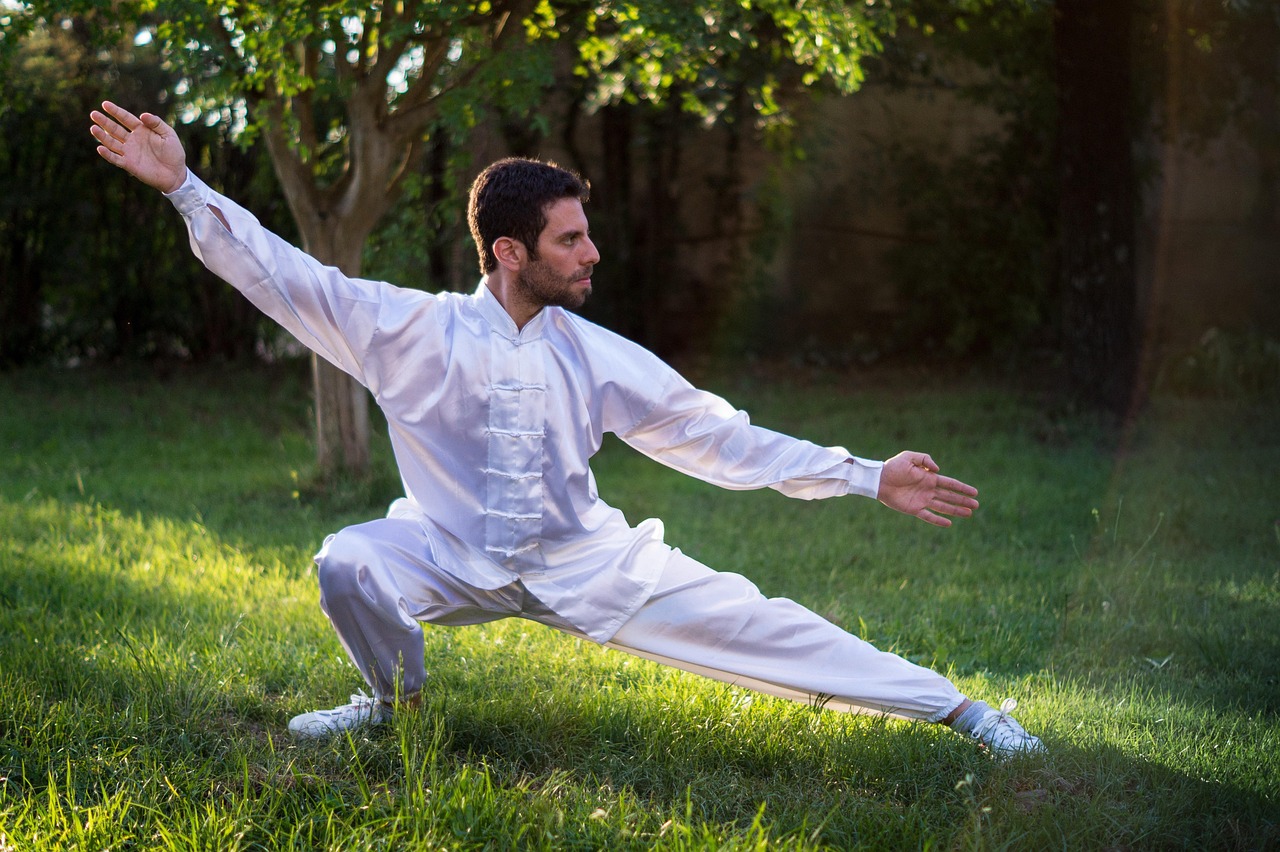

Incorporating Tai Chi in Rehabilitation Programs for Balance Disorders
Tai Chi is an ancient martial art known for its slow, graceful movements and its ability to enhance balance and coordination. When incorporated into rehabilitation programs, Tai Chi offers numerous benefits, especially for individuals suffering from balance disorders. Scientific research has shown that practicing Tai Chi can lead to significant improvements in stability and mobility in patients recovering from strokes, injuries, or surgeries that affect balance. One major advantage of Tai Chi is its low-impact nature, which makes it accessible to people of all ages. Regular practice not only strengthens the lower body but also promotes mental focus and relaxation, reducing anxiety and enhancing overall well-being. Physical therapists often include Tai Chi in their treatment plans due to its holistic approach to rehabilitation. Studies indicate that participants in Tai Chi programs report fewer falls and improved confidence in their mobility, which is critical for independent living. As such, Tai Chi can be a fundamental part of a comprehensive rehabilitation strategy focused on balance enhancement.
Benefits of Tai Chi for Balance Enhancement
The benefits of practicing Tai Chi extend beyond basic physical improvements. Many participants in Tai Chi programs experience enhanced proprioception, which is the body’s ability to sense its position in space. This improvement is vital for maintaining balance, especially in elderly individuals or those recovering from injuries. Tai Chi involves a series of mindful movements that emphasize controlled execution, balance, and coordination. Research demonstrates that these practices contribute to greater stability while walking, standing, and engaging in other daily activities. Moreover, Tai Chi encourages better posture and core strength, which are essential for preventing falls. The mental aspect of Tai Chi also plays a significant role; practitioners learn to remain calm and focused, which can help reduce fear related to falling. The gentle, rhythmic movements promote relaxation and stress relief, creating a conducive environment for recovery. As a result, many healthcare providers recommend Tai Chi as a viable therapeutic approach for improving balance in patients with various health conditions, making it a popular fixture in rehabilitation settings.
Furthermore, Tai Chi is particularly effective for individuals experiencing vestibular disorders. These disorders can greatly affect balance and spatial orientation, making simple movements feel challenging. By engaging in Tai Chi, individuals can practice specific movements that help retrain their vestibular system. The slow and deliberate nature of Tai Chi allows participants to focus on their movements and develop sensory awareness. Additionally, Tai Chi’s emphasis on deep breathing enhances oxygen flow to the body, promoting relaxation while improving endurance and physical capacity. Rehabilitation programs that integrate Tai Chi often involve group sessions, fostering social interaction and support among participants. This social aspect is crucial, as a strong network can contribute to motivation and adherence to rehabilitation goals. By regularly attending classes, individuals can share experiences and encourage one another, enhancing the effectiveness of their recovery journeys. Multiple studies have reported favorable outcomes for individuals who engage in group Tai Chi sessions compared to those in solitary practice. Accordingly, including Tai Chi’s community-building elements within rehabilitation frameworks can significantly benefit overall balance and recovery efforts.
Integrating Tai Chi into Rehabilitation Programs
Effectively integrating Tai Chi into rehabilitation programs calls for thorough evaluation and adaptation to meet patients’ diverse needs. Healthcare professionals should assess each patient’s baseline stability, mobility, and specific balance challenges before developing a Tai Chi-based regimen. Customization may involve modifying the speed and complexity of the movements to ensure safety and maximize benefits. During the initial stages, experts recommend starting with fundamental forms, gradually introducing patients to more complex sequences as they build confidence and skill. To achieve the best results, rehabilitation professionals should work collaboratively with certified Tai Chi instructors who understand how to teach effectively to those with physical impairments. Additionally, combining Tai Chi with other therapeutic exercises and physical interventions can enhance outcomes. For instance, including strength and flexibility training alongside Tai Chi methods can further improve overall balance and movement quality. Furthermore, ongoing assessments can help gauge progress and allow for necessary adjustments to class content. As patients become more refined in their movements, they may find independence in practicing Tai Chi informally, contributing positively to long-term balance maintenance.
Patient education should also be an integral component of any rehabilitation plan that includes Tai Chi. Providing patients with knowledge about the history, philosophy, and benefits of Tai Chi can promote buy-in and encourage adherence to the practice. Facilitating workshops or informational seminars can empower patients to take an active role in their rehabilitation journey. Additionally, incorporating resources such as instructional videos and online classes may help patients practice Tai Chi outside of therapy sessions. Such tools can offer convenience and flexibility, enabling individuals to reinforce techniques learned in rehabilitation programs at their own pace. Healthcare providers must emphasize the importance of consistent practice and patience, as balance improvement can be a gradual process. Encouraging regular check-ins and follow-ups can also help maintain motivation levels while addressing any concerns or challenges patients may experience while practicing Tai Chi. The experience of integrating Tai Chi into rehabilitation creates a sense of community among patients and can lead to lasting changes in balance skills and overall health.
Real-World Success Stories
Real-world success stories highlight the profound impact that Tai Chi can have on individuals undergoing rehabilitation for balance disorders. Numerous individuals have reported enhanced stability and increased confidence after participating in Tai Chi sessions as part of their therapy. For example, a stroke survivor who struggled with balance issues was able to regain mobility and participate in daily activities independently after committing to a Tai Chi program. Similarly, elderly individuals who faced multiple falls found renewed stability and reduced anxiety through consistent practice. Many participants emphasize that the gentle nature of Tai Chi makes it enjoyable and sustainable, leading to long-term compliance. Moreover, their physical improvements positively affect their mental health, showcasing the holistic benefits of the practice. These testimonials provide encouragement for both patients and healthcare providers in recognizing the value of Tai Chi within rehabilitation contexts. They also serve as powerful motivators to encourage others struggling with balance disorders to engage in Tai Chi as part of a comprehensive rehabilitation strategy. Incorporating such testimonials into program marketing can foster further interest in providing Tai Chi as a therapeutic option.
In conclusion, incorporating Tai Chi into rehabilitation programs for balance disorders is both a practical and effective approach to improving patients’ quality of life. The combination of physical, social, and mental health benefits makes Tai Chi a comprehensive training modality. It addresses the underlying issues related to balance while fostering a supportive environment that promotes recovery. Practitioners benefit from enhanced stability, mobility, and confidence in their movements, leading to greater safety in their daily lives. By implementing tailored Tai Chi practices suited to individuals’ needs and integrating them into a well-rounded rehabilitation plan, healthcare providers can achieve excellent outcomes. As awareness of the advantages of Tai Chi continues to grow, it’s vital to expand initiatives that promote its integration into healthcare systems. By doing so, we can support a broader scope of patients with balance disorders and create effective pathways for rehabilitation that empower individuals to reclaim their independence through movement. Through ongoing research and collaboration, the future looks promising for further advancing Tai Chi as an essential tool in balance enhancement strategies.