
Preventing Drowning: Crucial Pool Safety Guidelines
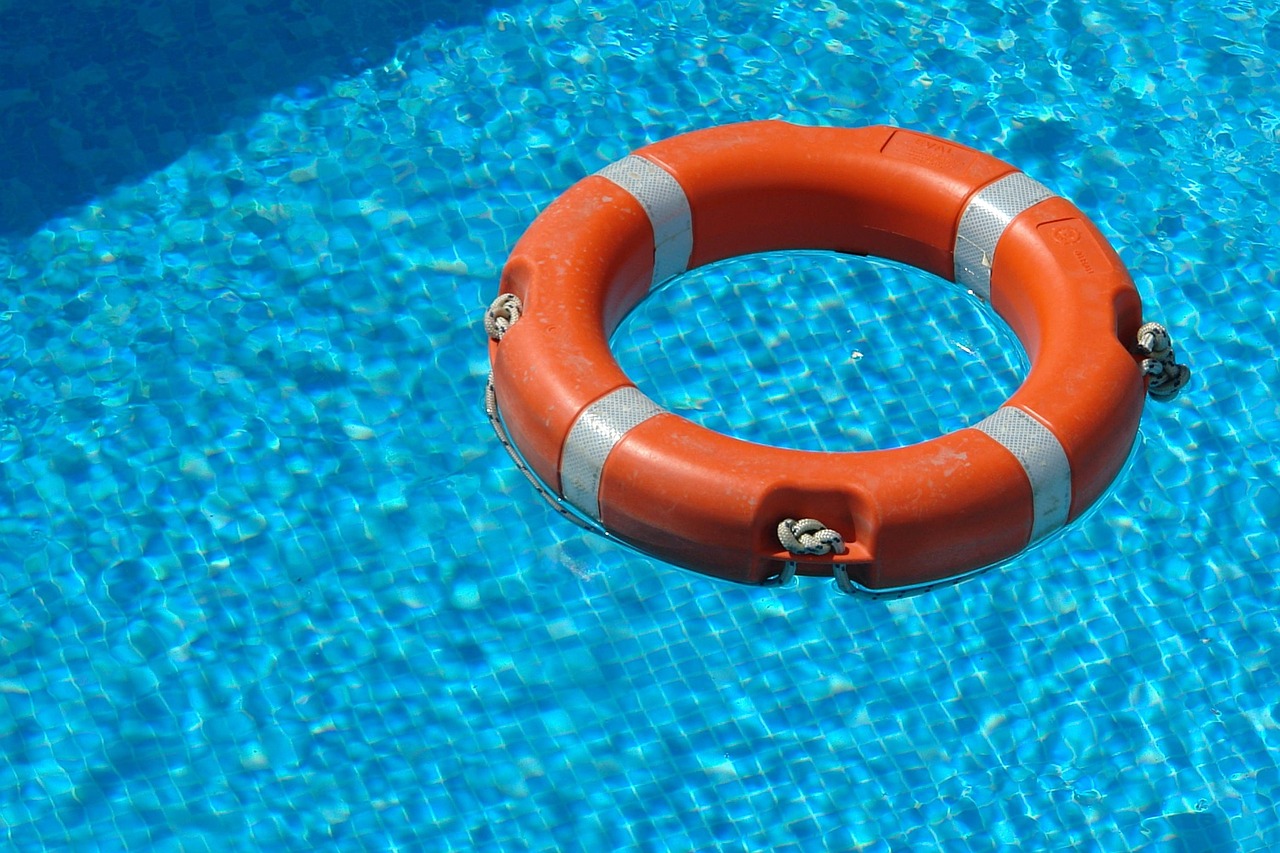
Swimming pools are valuable assets, providing joy and relaxation, yet they come with significant responsibilities. One of the primary concerns regarding swimming pools is the potential for drowning. To mitigate this risk, implementing safety measures is essential for all pool owners. The first guideline is supervision; always have one or more responsible adults watching over children or inexperienced swimmers. Next, installing barriers, such as fences with self-closing gates, is critical for keeping children away when pools are not in use. Consider using pool alarms that alert you when someone enters the water unexpectedly. Educating everyone about pool safety, including swimming skills and rules, is vital. Everyone should know basic swimming skills, making children confident in the water. Remember, the installation of safety equipment like life rings and poles can save lives in emergencies. Finally, every pool owner should consider enrolling in CPR classes, turning them into lifesavers. By following these guidelines, one ensures a safer swimming environment for all ages, allowing families to enjoy their pool while reducing risks associated with swimming.
Another significant safety measure is ensuring proper maintenance of pool areas. Maintaining clean, clear water not only enhances enjoyment but also promotes safety. Regularly checking pool chemistry helps keep the water safe for swimming. Inspect pool filters, pumps, and ladders to ensure they are in functional condition. If any equipment is damaged or malfunctioning, address it immediately. Providing visibility aids, such as bright lane markers or colored floats, can help swimmers identify swimming areas effectively. Next, establish rules for pool use; for example, running, diving, or excessive splashing can lead to accidents. Clearly post rules around the pool area so everyone knows. Scheduling specific times for swimming lessons or family swim times can further enhance safety. Encouraging adults to enforce rules around the pool and lead by example encourages children to follow them as well. In addition to physical rules, create an emergency action plan and practice it with your family. Understanding what to do in emergencies builds confidence and readiness. By consistently promoting safety and educating everyone about these measures, pool owners can create a safer swimming environment.
Child Safety Education
When it comes to child safety around swimming pools, education is paramount. Children should be taught about water safety from a young age, focusing on the importance of never swimming alone. Enroll them in swimming lessons as early as possible; many local community centers offer affordable classes. These lessons should not only teach swimming techniques but also safety tips like recognizing drowning signs and the importance of floats. Parents should instill a healthy awareness of pool environments, emphasizing the significance of adhering to rules and guidelines. Regular discussions about the dangers of running around the pool or engaging in excessive horseplay can reinforce good behavior. Establishing a buddy system during swimming activities can further support safety. Each child should swim with a friend to ensure someone is always watching in case of an accident. Children should be involved in the development of rules, helping them understand and take ownership of their safety. Moreover, set clear and consistent consequences for not following safety measures. A sense of accountability encourages children to prioritize their well-being around water. Teaching kids these values early can cultivate lifelong safe swimming habits for future generations.
The role of adult supervision cannot be overstated when it comes to swimming pool safety. Adults must commit to being present and attentive while children are enjoying pool time. This responsibility means avoiding distractions such as cell phones, conversations, or drinking alcohol while supervising. Designate a ‘water watcher,’ an adult tasked solely with monitoring all swimming activity. This approach helps keep a focused eye on the swimmers, ready to act quickly in case of an emergency. Supervisors should know how to recognize distress signals; learning the differences between playful splashing and dangerous struggles is critical. In addition, consider scheduling shifts among adults to ensure each person has dedicated monitoring time while allowing healthy breaks. Place safety equipment within easy reach, ensuring that the appointed watchers can respond promptly if needed. Adults should also be familiar with CPR and emergency response protocols, preparing themselves for unexpected situations that may arise. Engaging in discussions on recent drowning incidents can heighten awareness and emphasize the importance of vigilance. By sharing success stories of interventions, adult supervisors can motivate others to remain vigilant while enjoying pool activities.
Emergency Preparedness
Emergency preparedness is a crucial aspect of swimming pool safety practices. Ensuring that pool owners and their guests know what to do in an emergency situation can significantly reduce response times and improve outcomes. Start by conducting regular safety drills with family members and frequent guests. Consistency in practicing these drills fosters readiness. Designate an emergency point person, someone trained in CPR and first aid, who takes charge during emergencies. Clearly post emergency contact numbers, including local emergency services, and keep a first aid kit easily accessible by the pool area. Additionally, invest in inflatable flotation devices, such as life vests, near the pool for quick rescue opportunities. Promote the importance of keeping these devices in good condition and practicing their use regularly. Encourage pool users to familiarize themselves with the location of safety equipment in case of an emergency. Advanced planning, along with ongoing training on available resources means everyone knows how to respond effectively. Incorporating emergency preparedness into pool safety creates a more secure atmosphere for swimmers, fostering peace of mind for all users. Knowledge is a powerful tool in saving lives.
Another essential aspect of pool safety guidelines is the proper use of pool covers. When not in use, a high-quality pool cover can significantly reduce the risk of accidental drownings, particularly among curious toddlers and pets. These covers can prevent accidental entry into the pool area, providing an extra layer of safety. Ensure that the cover is installed correctly and fits snugly around the pool’s edges, preventing any gaps that would allow unauthorized access. Choose a cover that can support weights exceeding that of any potential falling child or pet. Regularly inspect pool covers for wear and tear; replacing defective covers timely is vital. In addition, educate children about the function of the cover and the hazards of removing it without adult supervision. Consider a cover that is easy to open and close, encouraging usage, as it helps promote safety and keeps the pool clean. Furthermore, enforce good practices about avoiding swimming after heavy rainfall, as water levels can rise and create risks. Combining pool cover management with other safety measures fortifies an environment where swimming can be enjoyed safely.
Conclusion: Lifelong Safety Habits
Developing lifelong safety habits around swimming pools can cultivate a culture of water awareness. It begins with effective communication among family members, ensuring that everyone shares the importance of pool safety. Regular, engaging conversations about water safety and informed decision-making encourage responsible behavior. Teaching children about varying swimming contexts and different types of water bodies helps them become competent swimmers. Encourage participation in community programs and events focusing on water safety to help children learn outside boating and pool environments as well. Parents should model safe behavior, engaging in preventive actions and upholding rules around the pool. Establishing a ritual of evaluating any changes in the pool area with the entire family ensures inclusiveness and shared responsibility. Consider placing reminders about pool rules around the area to help reinforce positive actions. By fostering a respectful relationship towards swimming activities, families can create a safe atmosphere for leisure and bonding. Continuous learning and vigilance contribute to a shared understanding of the importance of pool safety. Together, practicing safety measures can help prevent drowning, allowing families to enjoy all the joys that come with swimming safely.
Ultimately, fostering a community commitment to pool safety amplifies the value of individual efforts in safeguarding lives. Community awareness campaigns can effectively spread vital information and promote safe swimming practices. Local authorities and municipalities can collaborate with community centers, providing parents access to local safety workshops emphasizing child and adult education. Schools can host events promoting swimming lessons combined with life-saving techniques for parents and teens. Establishing community accountability allows everyone to share the weight of responsibility in preventing drowning accidents. Group discussions can break barriers, allowing families to talk about their experiences, creating support networks where people can share information and resources. Pool owners can benefit from sharing best practices in safety management with one another, learning innovative ways to improve safety measures and minimize risks. Additionally, partnerships with local lifeguards can provide invaluable insight into safety protocols. Ultimately, creating a community around pool safety garners trust and collective efforts, emphasizing the value of proactive safety measures. Promoting a consistent culture of safety, education, and community engagement thrives, ensuring everyone can swim safely together. Emphasizing collaboration leads to increased understanding and awareness, strengthening the overall culture of water safety across neighborhoods.