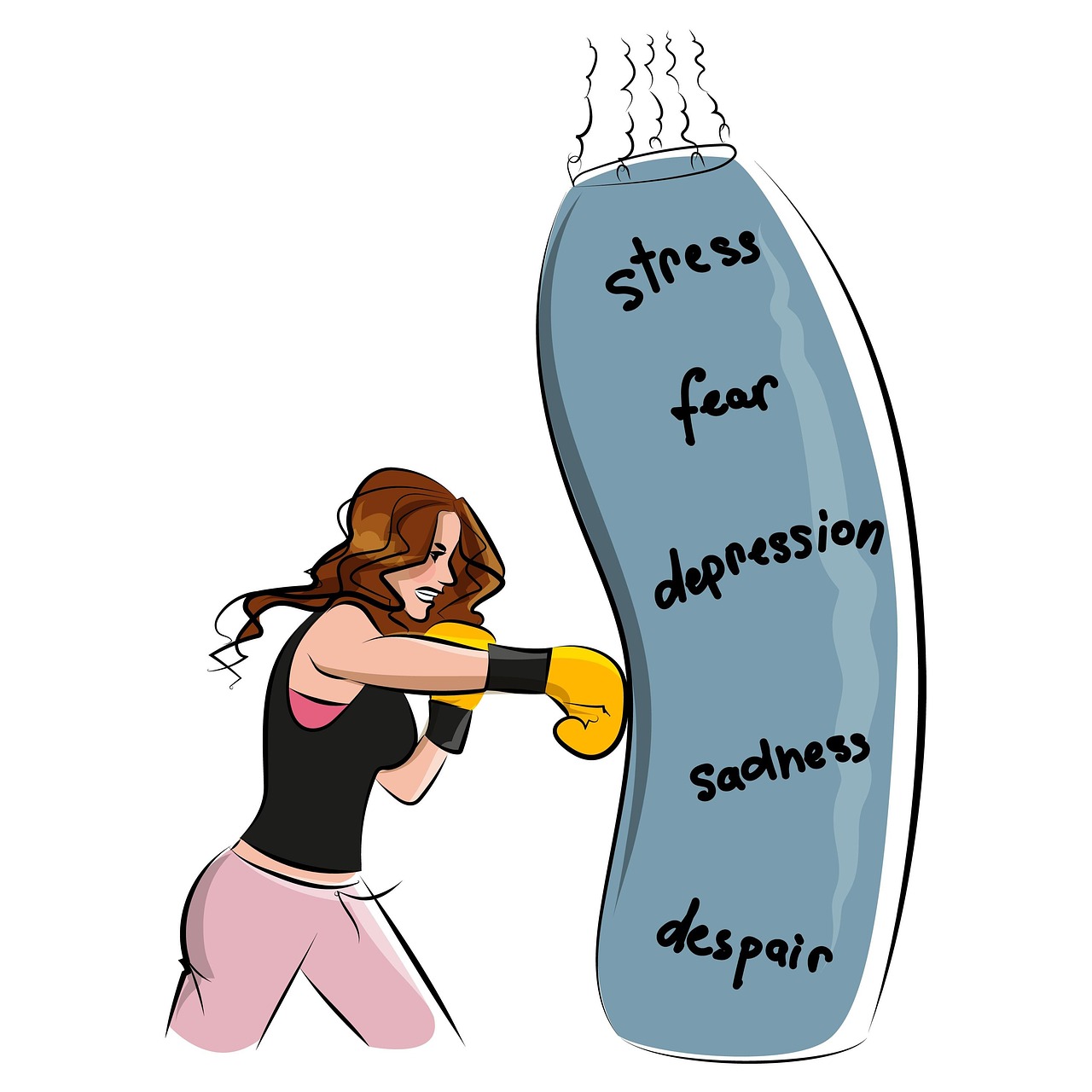

Psychological Recovery Methods Post-Sport Injury
Recovering psychologically from a sports injury is crucial for athletes. Injuries can lead to feelings of frustration, anxiety, and loss of identity. Therefore, understanding effective psychological recovery methods is essential. One method is cognitive behavioral therapy, which allows athletes to alter negative thought patterns. Additionally, mindfulness training promotes awareness of thoughts, aiding in stress reduction. Visualization techniques can also be implemented, wherein athletes imagine returning to their sport successfully. This method enhances confidence and maintains motivation during recovery. Social support is significant during recovery; friends, family, and teammates can offer encouragement. Psychologists suggest keeping a journal for reflecting on emotions. Goal setting is essential, too; small, achievable goals can help build momentum. Moreover, rehabilitation exercises should be coupled with mental strategies that focus on the recovery journey rather than the injury itself. Finally, engaging in relaxation techniques can alleviate stress and enhance overall well-being. By adopting these strategies, athletes can foster a resilient mindset, effectively transitioning from injury to recovery, ultimately paving the way for a successful return to their sport.
Motivation and confidence are vital components during the healing process. Athletes often experience doubt when returning after an injury. Hence, utilizing motivational interviewing can prove effective. This technique enables open dialogue about fears and aspirations, ultimately fostering a positive outlook. Additionally, self-affirmation exercises can reinforce an athlete’s sense of capability. Grounding techniques that help re-center focus during moments of anxiety are also beneficial. It’s crucial to emphasize the notion that recovery is not merely physical but mental as well. Participating in light, non-strenuous activities can maintain physical health while aiding mental recovery. Engaging in visualization exercises can help reconcile the mind-body connection. Athletes should remember that setbacks during recovery are normal and should not be cause for alarm. In fact, adopting a growth mindset allows athletes to view challenges as opportunities to learn. Incorporating support groups can assist as well; sharing experiences often alleviates feelings of isolation. Furthermore, working with a sports psychologist can provide tailored strategies uniquely suited to individual needs, ensuring a customized approach to recovery. There’s power in community, and athletes must seek out those who support their journey.
Utilizing Coping Strategies
Implementing coping strategies is a fundamental aspect of psychological recovery following a sport injury. These strategies provide athletes with tools to manage negative emotions effectively. One effective approach is emotion-focused coping, which emphasizes understanding and validating feelings related to injury. Active coping, involving problem-solving, can help athletes tackle challenges faced during rehabilitation. Developing resilience is essential, as it enables athletes to bounce back stronger from adversity. Another strategy is the utilization of acceptance, allowing athletes to embrace their current situation without resistance. Meditative practices and deep breathing exercises cultivate a sense of calm, reducing anxiety. Moreover, practicing gratitude offers a positive perspective shift, focusing on the support received rather than loss experienced. Setting a daily routine can create a sense of normalcy during recovery, providing structure amidst uncertainty. Additionally, employing distraction techniques, like engaging in hobbies or socializing, can alleviate overwhelming thoughts. It’s essential to maintain a holistic approach, integrating both psychological and physical strategies. Through these coping strategies, athletes will develop an adaptive mindset, enabling successful navigation of their recovery process.
Incorporating mental health education into recovery programs is vital. Many athletes lack awareness of the psychological aspects of injury rehabilitation. Workshops led by sports psychologists can provide essential knowledge and coping strategies. Understanding the mental health challenges associated with injuries fosters empathy among teammates. Early intervention through education can mitigate long-term psychological effects. Athletes should be encouraged to communicate openly regarding their struggles. Additionally, utilizing technology, such as apps for mindfulness and mental training, can complement traditional recovery methods. Providing access to online resources can contribute to ongoing education and support. Integrating peer mentorship within teams can allow experienced athletes to guide those facing injuries. Furthermore, creating a supportive team culture emphasizes mental wellness. Encouraging conversations around mental health can destigmatize psychological struggles, allowing for a normalized dialogue. Regular training sessions focusing on mental resilience should be incorporated. By prioritizing education and open communication, teams enhance the overall healing environment. The importance of mental recovery should not be underestimated, as it directly impacts athletes’ performance once they return to competition.
Long-Term Impact of Psychological Recovery
The long-term impact of effective psychological recovery is significant for athletes. When athletes manage their recovery successfully, they enhance overall performance, leading to increased confidence. Psychological resilience built during the recovery process translates into improved coping skills in future challenges. Moreover, athletes gain insight into mental health, elevating their understanding of personal well-being. This journey fosters a profound connection to both sport and self. Gradual reintegration into competitive settings allows athletes to gradually rebuild self-trust and team dynamics. The benefits extend beyond individual performance; a psychologically healthy athlete contributes positively to the overall team atmosphere. Furthermore, athletes who prioritize mental recovery are often more adept at handling pressure, leading to enhanced competition experiences. In the long run, these athletes advocate for mental health awareness, continuing to challenge the stigma surrounding psychological struggles in sports. This advocacy nurtures a supportive environment, encouraging peers to seek help when needed. The framework established through psychological recovery ultimately shapes the athlete’s approach to sport, shifting their perspective towards a holistic view of health and performance in the athletic world.
In conclusion, psychological recovery methods post-sport injury are essential for athletes’ overall well-being. Strategies such as cognitive behavioral therapy, mindfulness, and visualization contribute significantly to effective recovery. Emphasizing social support and maintaining a healthy mindset ensures that athletes can navigate their rehabilitation journeys. Furthermore, the importance of motivation and confidence cannot be overstated, as they dramatically influence athletes’ readiness to return to their sport. Encouraging coping strategies, mental health education, and open communication are also crucial. Recognizing the long-term impact of psychological recovery fosters a stronger, more resilient athlete community. By prioritizing both physical and mental recovery, athletes can transition smoothly from injury to performance. Ultimately, psychological recovery serves as the foundation for future athletic success and personal growth. This comprehensive approach not only aids in overcoming injury but enriches the athlete’s overall experience, underscoring the value of mental health awareness in sports. Encouraging continuous dialogue around psychological well-being can sustain this momentum for future athletes, paving a path towards healthier, more resilient sports community. Athletes who embrace these methodologies can rise above adversity and flourish both in sport and life.
Lastly, sports organizations must embrace psychology as a fundamental component of athletic resources. Establishing partnerships with mental health professionals ensures that athletes have access to the support they need. Comprehensive recovery programs can be designed to encompass both physical and psychological treatment goals. Professional development for coaches surrounding mental health topics equips them to better understand and support injured athletes. Creating a culture of psychological safety within teams fosters healthier dialogues about struggles and recovery. Incorporating designated mental health days into training schedules acknowledges the importance of psychological well-being. When athletes feel supported during their recovery, they are more likely to return to their sport in optimal mental shape. Developing evidence-based interventions can also enhance the effectiveness of recovery strategies. Research should drive the evolution of best practices in mental health within sports. As the conversation around mental health continues to grow, sports organizations must adapt, ensuring they foster a comprehensive understanding of recovery. By integrating these practices, athletes can thrive post-injury, paving the way for a brighter future in sports.
In conclusion, addressing the psychological aspects of recovery is integral for athletes. Strengthened psychological well-being enhances performance outcomes and enriches the athlete’s overall experience. Acknowledging mental health fosters a culture of empathy and resilience within sports, allowing athletes to navigate challenges more effectively. Collaboration with mental health professionals cultivates comprehensive recovery plans, ensuring that athletes have support throughout their rehabilitation durations. Education on mental health challenges and coping strategies empowers athletes to understand and communicate their experiences. By prioritizing mental recovery, teams create an environment where athletes thrive both in performance and as individuals. The benefits of integrating psychological recovery methods extend far beyond individual athletes, positively influencing team dynamics and community ties. There is a growing need to challenge the stigma surrounding mental health in sports, creating open dialogues among athletes regarding their well-being. Overall, psychological recovery methods are essential in reinforcing an athlete’s journey. These methods are not just about overcoming injury; they fundamentally reshape the athlete’s entire approach to performance and life. With a commitment to mental health, the future of sports can be brighter, healthier, and more inclusive.