
Recovery and Foot Care Tips for Football Players
Football players, regardless of their level, must prioritize recovery and proper foot care. This prevents injuries and enhances performance throughout the season. Players should adopt a dedicated routine that includes stretching, strengthening exercises, and using the right footwear. Appropriate footwear assists in injury avoidance; players must select boots that fit well, provide ample support, and suit the playing conditions. This ensures comfort during action and minimizes the chance of blisters and other foot ailments. Implementing recovery techniques such as foam rolling can significantly aid muscle recovery, while elevating the feet post-training can curb swelling. Regular visits to podiatrists or physiotherapists can also identify underlying issues and improve overall foot health. Furthermore, players should remain vigilant regarding their foot hygiene. Daily inspections for issues such as cuts, ingrown toenails, or athlete’s foot are vital. Using moisture-wicking socks can greatly reduce sweat build-up. Establishing a solid recovery plan helps players bounce back quickly and remains essential in their training progression. Lastly, maintaining adequate hydration levels and nutrition greatly boosts recovery capacity, ensuring players are always at their best on and off the field.
Proper footwear selection is crucial for football players aiming to maintain peak performance while minimizing injury risks. It is vital to choose boots that match the specific demands of the game. Players should consider factors including playing surface, their position, and even personal foot shape when selecting boots. Studded boots, for instance, are ideal for grass pitches, while turf shoes must be used for artificial surfaces. Shoes with sufficient arch support aid in improving biomechanics and providing comfort during long games. Furthermore, players should replace footwear regularly, as worn-out shoes contribute heavily to injuries such as sprains or strains. Footwear that has lost its cushioning or support loses effectiveness. Players must also understand the importance of breaking in new boots before wearing them in critical matches, as this helps create flexibility and avoids blisters from improper fittings. Additionally, proper lacing techniques can enhance stability and prevent injuries. Regular cleaning and drying of boots also prolong their lifespan, while being mindful of the insoles can provide necessary arch support. Effective communication with coaches or physiotherapists regarding footwear preferences can further refine choices that cater to the individual needs of each player.
Appropriate post-match recovery is a vital aspect of a football player’s routine that directly influences performance. Optimizing recovery begins as soon as the final whistle blows, emphasizing the need for cool-down stretches to lower the heart rate gradually. After intense exertion, players should engage in light jogging or walking to help reduce lactic acid build-up and alleviate muscle soreness. Hydration instantly becomes a priority; players should rehydrate with water and electrolyte-rich drinks to combat dehydration. Consuming a protein-rich snack within thirty minutes assists in muscle repair and replenishing energy. Muscle soreness alleviation techniques such as ice baths or massage therapy can help speed recovery, preventing debilitating muscle tightness. Additionally, sleep is a crucial, yet often overlooked, factor in recovery; players must aim for at least eight hours of restorative sleep each night. Implementing a recovery routine that incorporates restorative yoga or stretching post-match can also benefit players greatly. Furthermore, regular recovery assessments can identify trends affecting performance; analytical methods can pinpoint which recovery methods prove effective for individual players and enhance their overall game journey.
Foot Care Practices
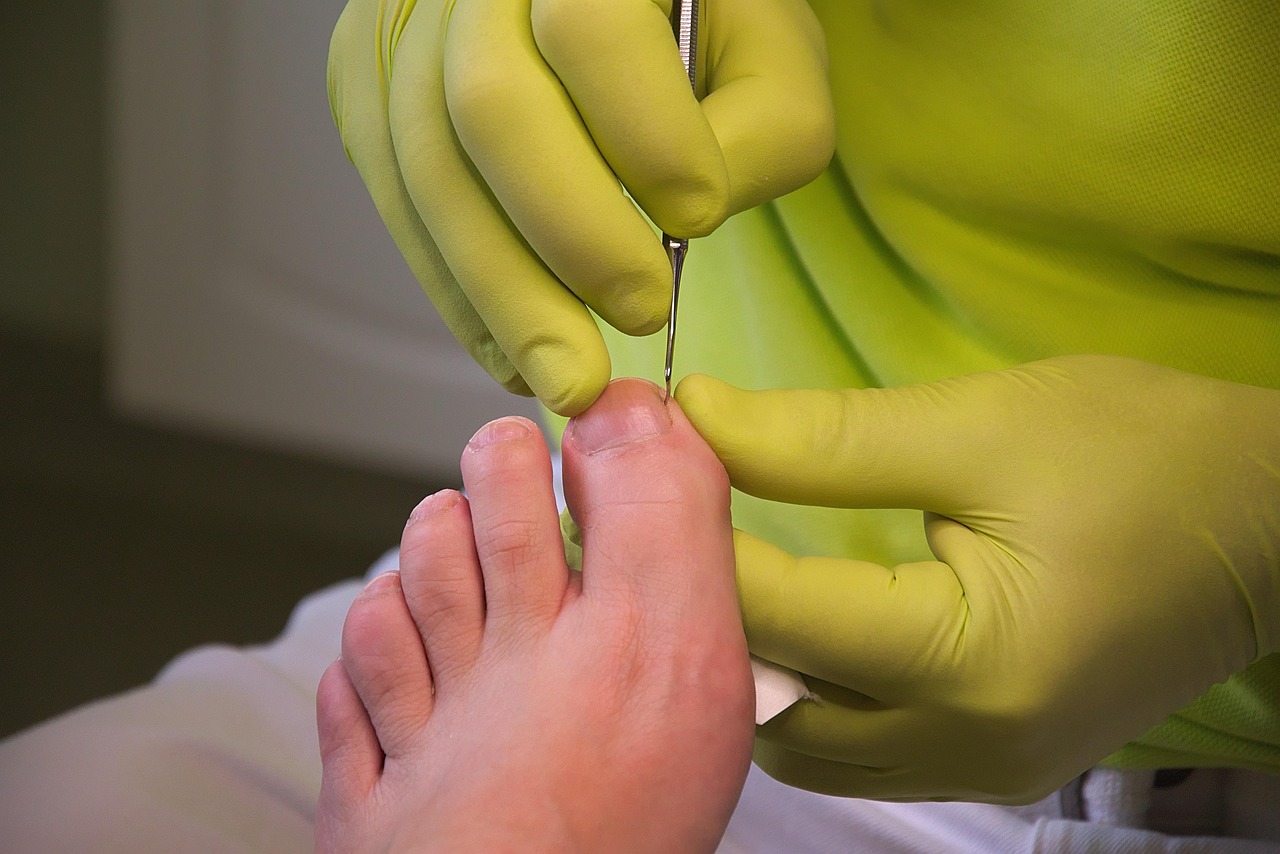
For football players, maintaining vibrant foot health is non-negotiable and involves several essential practices that can be seamlessly integrated into their daily routines. Regular foot inspections must be a part of every player’s regimen, ensuring timely identification and treatment of potential issues like cuts, blisters, or fungal infections. Early intervention can prevent minor issues from escalating into serious conditions that may sideline them during crucial games. Emphasizing daily hygiene is fundamental; players should cleanse their feet with antibacterial soap, thoroughly dry them, and apply antifungal powder if necessary. Moisturizing is critical, especially in cold conditions, as dryness can lead to cracks and other skin problems. The right choice of socks also plays a significant role; moisture-wicking, breathable fabrics help to keep the feet dry, reducing the chances of infections. Players should ensure that their toenails remain trimmed to prevent ingrowth, and always wear the appropriate footwear that does not compromise foot structure. Additionally, using orthotic inserts can provide extra support, especially for those with naturally flat feet, giving them the added advantage in their movements, training, and gameplay.
The significance of footwear maintenance cannot be understated for football players looking to extend the lifespan of their boots and maintain performance. Worn-out footwear can lead to misalignment and increased injury risks during matches. Players should regularly inspect their boots for wear and tear, specifically focusing on soles and studs—these areas will wear down quickest. Cleaning boots after each use ensures debris and dirt do not compromise the material, while conditioning them with suitable products maintains flexibility, preventing cracks or stiffness. As a suggestion, always dry boots naturally after cleaning, away from direct heat sources to avoid degradation of the material. Engaging in regular rotation of game boots can minimize undue stress on a single pair, extending their usability. Players should also focus on storing their boots in well-ventilated areas to avoid excessive moisture accumulation, which can lead to unpleasant odors or decay. Lastly, seeking guidance from professionals about boot modifications can also significantly enhance performance; customizations like personalized insoles or custom-fit adjustments can provide the finale touches that cater directly to a player’s unique needs.
Nutrition and Hydration
Nutrition plays a fundamental role in how football players recover and perform, making it essential to prioritize a well-balanced diet that promotes healing and enhances performance. Players should focus on incorporating sufficient protein into their meals, as it aids in muscle repair and growth following intense training or matches. Carbohydrates are crucial for replenishing energy stores; therefore, players must consume complex carbohydrates such as whole grains, fruits, and vegetables. Healthy fats should not be neglected; sources like avocados and nuts provide the necessary energy for sustained physical performance. Regular meal timing is key; players benefit from consuming balanced meals every few hours to maintain energy levels. An integrated hydration plan is equally important—gaining and maintaining optimal hydration levels before, during, and after matches increases stamina and facilitates recovery. Consuming water and natural electrolyte-rich drinks like coconut water can sustain hydration during games. Players should remain aware of their individual fluid needs as they vary significantly based on body composition, climate, and overall activity levels. Tracking hydration can be beneficial; athletes can utilize apps or journals to monitor fluid intake effectively and avoid risks of dehydration that could negatively impact their performance.
Football players face an array of challenges throughout their careers that can take a toll on their physical well-being. Therefore, it is essential that they actively manage their foot health and overall fitness to ensure longevity in the sport. Regular checkups with healthcare professionals play a vital role; early detection and adaptation to injuries are critical for maintaining players’ competitive edge. Creating a comprehensive treatment plan can facilitate efficient recovery from any injuries sustained during training or matches. Players must place significant importance on self-care; implementing rest and recovery days into training ensures that athletes do not overwork themselves. Cross-training with low-impact activities like swimming or cycling can provide excellent alternatives to maintain fitness while minimizing stress on the feet. Additionally, strengthening foot and ankle muscles through specific exercises can aid in reducing injury risks. Simple practices like warming up properly before games and cooling down afterward can aid recovery. Players who incorporate these various strategies not only enhance their foot care but also contribute to their overall performance, creating a solid foundation for a successful football career.