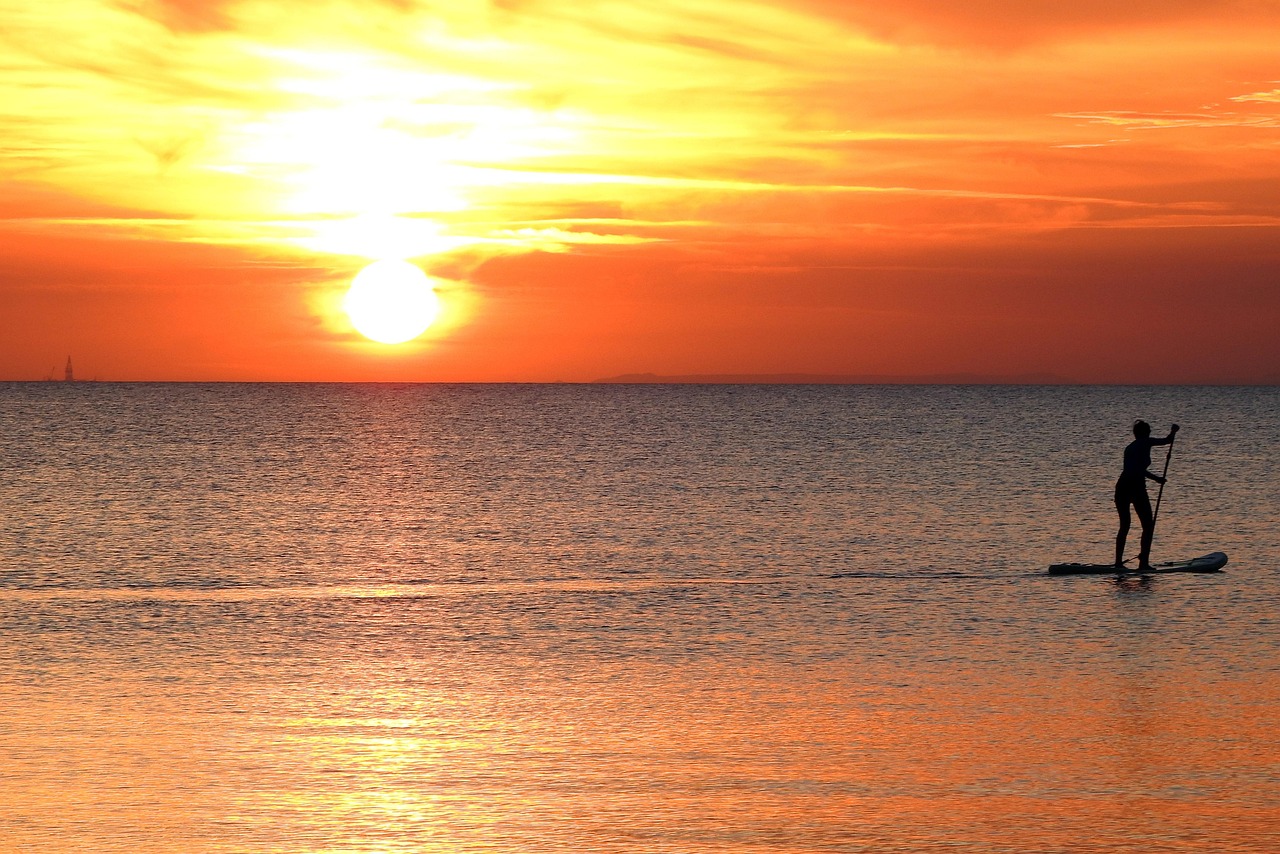

Stand Up Paddleboarding and Mental Health: Finding Peace on the Water
Stand Up Paddleboarding (SUP) is more than just an exciting water sport; it serves as a therapeutic escape for many individuals. Engaging in SUP allows a connection with nature while providing mental health benefits that are vital in today’s hectic lifestyle. The gentle movement of the board over calm waters, along with the fresh air and surrounding scenery, creates a serene atmosphere conducive to mindfulness. As you balance on the board, the focus required helps clear the mind of distractions, fostering a sense of tranquility. Physical exercise plays a significant role in alleviating stress by releasing endorphins, which are hormones associated with feelings of happiness. The repetitive strokes required for paddling promote a meditative rhythm, encouraging relaxation. Moreover, being out on the water provides an essential break from everyday pressures, allowing for reflection. This calming sensation often leads to enhanced mental clarity and emotional stability. By infusing the joy of paddleboarding into your routine, you can cultivate a peaceful state of mind, making it easier to confront life’s challenges and find balance in daily life.
The Connection Between Nature and Mental Well-Being
Mental well-being is deeply intertwined with our interactions with nature. Research indicates that spending time outdoors fosters positive emotions and enhances psychological health. When you engage in Stand Up Paddleboarding, you immerse yourself in a natural environment that promotes this connection. The soothing sounds of water lapping against the board, the warm sun on your skin, and the gentle breeze create a holistic experience that can rejuvenate the soul. Studies reveal that those who regularly engage in outdoor activities experience lower levels of anxiety and depression. Paddleboarding not only offers physical benefits, such as improved cardiovascular health and muscle toning, but also serves as a powerful tool for boosting mental health. The rhythmic paddling encourages mindfulness, allowing you to focus on your surroundings rather than everyday worries. This immersion in nature, combined with the joy of movement, can quiet the racing thoughts and provide a sanctuary of peace. Integrating SUP into your routine encourages outdoor engagement, fostering resilience against stress and enhancing overall well-being.
During Stand Up Paddleboarding sessions, participants often find themselves in a state of flow, a mental state characterized by deep focus and enjoyment. This phenomenon occurs when individuals become fully absorbed in an activity, losing track of time and self-consciousness. The concentrated effort required for maintaining balance on the paddleboard helps quiet the mind, making way for creativity and inspiration. This immersive experience not only enhances skill development but also promotes psychological benefits, such as increased self-esteem and reduced stress levels. The simple act of being present on the water encourages a profound appreciation for the moment, alleviating worries about the past or future. Furthermore, SUP can often lead to unforgettable experiences, such as breathtaking sunrises, encounters with marine life, and shared moments with friends or family. These aspects collectively reinforce positive mental health by creating lasting memories and fostering social connections. Engaging in SUP can encourage a sense of freedom and adventure, vital for nurturing a balanced and fulfilling life. As individuals connect with themselves and their environment, overall happiness and mental wellness can significantly improve.
Building Community Through Paddleboarding
Paddleboarding can also serve as a wonderful way to connect with others, fostering a sense of community and belonging. Many people participate in group paddling events, which provide an excellent opportunity to meet like-minded individuals who share a love for the sport. These social gatherings enable participants to share tips, stories, and experiences, enhancing the overall enjoyment of Stand Up Paddleboarding. Creating bonds with others in this setting promotes social support, which is crucial for mental health. In addition, being part of a community can motivate individuals to be more active, pushing them to attend regular sessions and improving their skills. Moreover, community events often include educational components, teaching paddlers about safety, technique, and local ecology. Such knowledge enriches the paddleboarding experience, deepening the connection to the environment. Working together toward common goals during group activities, such as charity paddle events, fosters a sense of purpose and unity that enhances mental well-being. Embracing community in paddleboarding not only supports personal growth but also encourages mental resilience in each participant.
Moreover, adopting Stand Up Paddleboarding as a regular practice allows individuals to establish goals and cultivate discipline. Setting fresh challenges, whether they pertain to distance, skill levels, or even freestyle tricks, can keep motivation high and foster personal growth. Achieving these goals can contribute positively to self-esteem and confidence, which are essential for mental health. The sense of accomplishment from learning a new skill or conquering a difficult route on the water reinforces the belief in one’s abilities. This newfound confidence can then translate into other facets of life, making it easier to face challenges outside the water. Furthermore, paddleboarding serves as a valuable outlet for stress relief—after a demanding day or week, gliding across the water can provide a much-needed escape. The element of fun involved with paddleboarding, whether it’s racing friends or exploring new landscapes, ensures that participants remain engaged and excited about the sport. This joy and enthusiasm contribute to a positive mindset, improving mental clarity while creating valuable memories that enhance life’s experiences.
Mindfulness and Paddleboarding
Integrating mindfulness practices with Stand Up Paddleboarding can enhance its mental health benefits further. As you navigate the water, focusing on each stroke and the sensations experienced can transform the experience into a meditative practice. Attuning your awareness to the natural surroundings, the water’s temperature, and the rhythm of your breathing cultivates a rich sensory awareness that promotes relaxation. Mindfulness stems from being present in the moment, which is precisely what paddleboarding encourages. This awareness allows for a deeper appreciation of nature and can alleviate feelings of overwhelm and anxiety present in daily life. Additionally, incorporating deep breathing exercises while paddling can enhance the experience, promoting relaxation and stress reduction. Engaging the senses helps clear the mind and reconnect with one’s body. Furthermore, creative visualization while paddling—such as envisioning goals or desired outcomes—can empower individuals to manifest positive changes in their lives. Combining paddleboarding with mindfulness develops a holistic approach to mental health, ensuring a nourished mind and body in harmony with nature.
Ultimately, Stand Up Paddleboarding provides individuals with various tools to enhance their mental health and well-being. From fostering a connection with nature to building social networks, the activity offers a myriad of benefits that directly address modern mental health challenges. Practicing mindfulness and incorporating enjoyable challenges creates an engaging experience that encourages self-growth and confidence. The involvement in a supportive community of fellow paddlers can provide the necessary encouragement while maintaining motivation for regular practice. Furthermore, as individuals cultivate their paddleboarding skills, they embark on physical and mental journeys that pave the way for greater resilience in the face of life’s challenges. By embracing the therapeutic qualities of paddleboarding, you open the door to improved emotional well-being while discovering a profound appreciation for the beauty of nature. So grab your paddleboard, immerse yourself in the tranquility of the water, and allow the freedom of movement to refresh your mind and spirit. As you embark on this journey, you may find the peace you’ve been seeking waiting for you on the water.