
Strength Training Workouts for Women Over 40
As women age, particularly over the age of 40, they often face unique physical challenges. Hormonal changes, joint stiffness, and a decrease in muscle mass can heavily impact fitness. Incorporating strength training into a regular fitness routine can provide numerous health benefits. It helps in managing weight, protecting bone density, and enhancing overall strength. Notably, women should focus on exercises that target all major muscle groups, enabling them to improve functional strength and overall fitness. Exercises like squats and lunges are excellent for leg strength, while push-ups and resistance bands can work the upper body effectively. Furthermore, it’s important to adapt intensity according to one’s fitness level. It’s advisable to consult with a fitness professional to create a tailored plan. This can enhance safety and ensure that the intended exercises align with individual goals. Regularly updating the workout routine is crucial as well. This keeps the regimen exciting and challenges the muscles in various ways, contributing to overall strength and endurance. Consistency in training and proper nutrition further aid in achieving remarkable results.
In addition to building strength, the right nutrition is essential for women over 40 engaged in strength training. Consuming a well-balanced diet rich in protein, healthy fats, and complex carbohydrates can significantly enhance workout results. Protein intake, particularly, should be prioritized, as it helps to repair and build muscle tissue after strength training. Foods such as lean meats, fish, legumes, and dairy products are excellent sources of protein. Healthy fats from nuts, seeds, and avocados provide essential nutrients that support overall health and aid in recovery. Moreover, whole grains like oats, brown rice, and quinoa can improve energy levels for workouts. Staying hydrated is equally important, especially when engaging in intense training sessions. Drinking enough water can prevent fatigue and maintain performance. Supplements, like vitamin D and calcium, can also be beneficial in maintaining bone health. Women should evaluate their dietary habits, considering the increasing nutritional needs associated with aging. Engaging with a registered dietitian can be an effective strategy to develop a personalized nutrition plan to support fitness goals and overall well-being.
Essential Strength Training Exercises
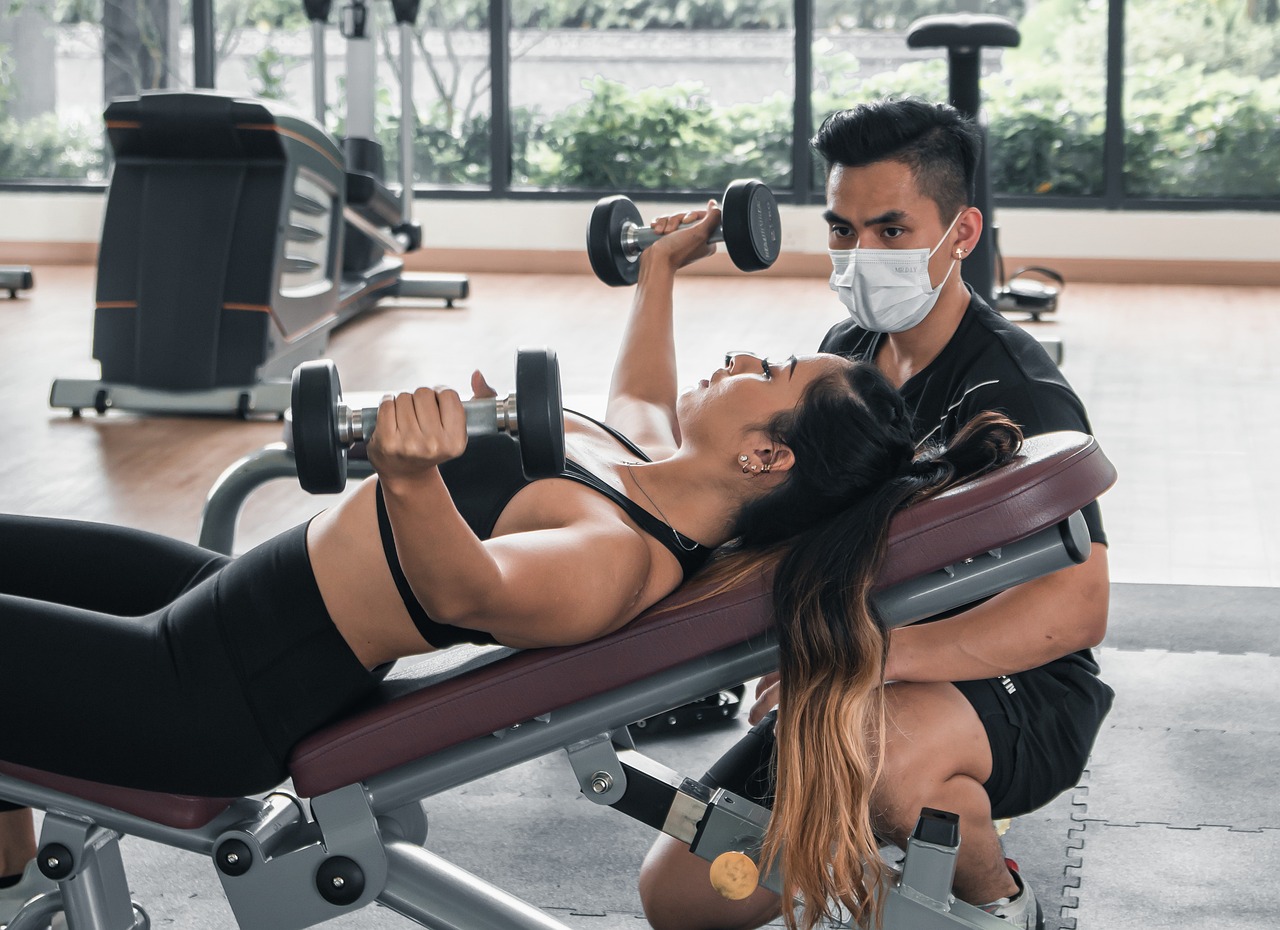
When embarking on a strength training routine, certain exercises are particularly beneficial for women over 40. These exercises can be adapted to anyone’s skill level, aiding in gradually building strength. Some key strength training exercises include squats, lunges, push-ups, and dumbbell presses. Squats effectively target the legs and glutes while enhancing balance and coordination. Lunges add variation and work on leg strength from different angles. Push-ups are fantastic for upper body strength and can be modified to fit varying skill levels. Dumbbell presses promote shoulder strength, allowing for gradual increases in weight as confidence grows. Core exercises, such as planks and Russian twists, play a pivotal role in improving stability and support for all other movements. It’s recommended to integrate both compound movements, which work multiple muscle groups simultaneously, and isolation exercises for targeted muscle engagement. Moreover, incorporating flexibility and mobility drills can enhance performance and prevent potential injuries. It’s essential to prioritize good form and technique over the amount of weight lifted. This will ensure a safe and effective strength training experience and long-term improvements.
As women age, recovery becomes an important aspect of any fitness routine, particularly with strength training. Adequate recovery time allows the body to heal and rebuild, increasing muscle without injury. It’s crucial to listen to your body and recognize signs of exhaustion or strain. Incorporating rest days into the workout schedule is just as important as the training itself. These days allow muscles to recover, promoting better performance in future workouts. Adequate sleep is essential in this recovery process, as it aids in muscle healing and overall wellbeing. Furthermore, actively engaging in light activities or gentle stretching on rest days can improve blood circulation and reduce muscle soreness. Techniques such as foam rolling or massages can also significantly enhance recovery. Hydration cannot be overlooked; drinking enough water aids in muscle recovery and decreases the risk of cramping. Additionally, ensuring a proper post-workout nutrition strategy, including protein intake, can foster quicker recovery. Mindfulness practices like yoga or meditation can enhance mental clarity and stress reduction, contributing positively to the overall exercise experience and motivating routine adherence. Taking these recovery steps seriously can lead to more successful training outcomes.
Creating a Balanced Weekly Schedule
A well-rounded weekly workout schedule is crucial for effectively incorporating strength training into your routine. Women over 40 may benefit from a routine that balances strength training, cardiovascular exercise, and flexibility work. For example, aim for at least two to three days of strength training per week, targeting all major muscle groups. Additionally, including cardiovascular activities such as walking, cycling, or swimming can enhance overall heart health. Cardiovascular sessions should ideally be performed on non-strength training days, allowing for active recovery. Including flexibility training, such as yoga or Pilates, at least once or twice a week can significantly improve mobility and reduce the risk of injury. Adopting a weekly schedule helps in creating consistency, ensuring that fitness becomes a regular part of daily life. Don’t hesitate to mix things up; vary the types of strength exercises performed, or try different classes for cardio. Keeping workouts vibrant and enjoyable can build a sense of community or camaraderie if done in group settings. This variety sustains motivation and dedication, leading to lasting improvements over time.
Setting realistic fitness goals is an essential part of any strength training program for women over 40. These goals should be Specific, Measurable, Achievable, Relevant, and Time-bound (SMART). Instead of vague aspirations like ‘get fit’, aim for clear objectives like, ‘add ten push-ups in three weeks’ or ‘lift a specific weight by a certain date’. Achieving small milestones can provide motivation and reinforce positive behaviors. It’s also important to pay attention to the body’s response to workouts; adjusting the goals as necessary based on progress ensures the training routine stays aligned with personal capabilities and desires. Engaging in social and supportive fitness communities can further bolster motivation. Sharing progress with friends, family, or through social media can create accountability and inspire dedication. Women can also consider journaling to track their workouts, dietary habits, and emotional responses throughout the process. This practice can offer insightful reflections on what strategies work best. Remaining flexible and adaptive may lead to long-term success and commitment, fostering a positive outlook towards health and fitness. In the end, focusing on maintaining and improving overall wellness rather than simply achieving aesthetic goals is key.
Identifying Barriers and Finding Support
It’s crucial for women over 40 to identify potential barriers that may hinder their strength training journey. Common obstacles include lack of time, motivation, or access to facilities. Busy schedules can limit the available time for workouts, making it essential to prioritize fitness. Setting a regular workout schedule and treating it as a personal appointment can help overcome this barrier. Finding opportunities to incorporate physical activities into daily routines, like taking the stairs or walking more, can be a valuable addition. Motivation can sometimes wane, so discovering workout partners or groups can provide added encouragement and accountability. If access to a gym is limited, consider online workout classes or home routines that utilize minimal equipment. Community centers often offer affordable classes tailored to older adults. Working with a coach or trainer specialized in senior fitness can also provide personalized guidance and reduce potential injuries. Community can play a pivotal role in one’s fitness journey, offering social interaction and support. Understanding and addressing barriers allows women to build sustainable fitness practices, creating a positive path towards lasting improvements and overall wellbeing.
In conclusion, embracing strength training can significantly enhance the wellbeing of women over 40. The integration of nutritious dietary habits, personalized fitness routines, adequate recovery, and supportive communities creates a holistic approach to health. By recognizing the unique challenges faced by women in this age group, individuals can adapt their fitness journeys to suit personal needs and improve quality of life. Strength training helps to combat the natural decrease in muscle mass while also promoting bone health, enhancing balance, and boosting metabolism. With a supportive network and the right resources, achieving health and fitness goals is entirely possible. As women navigate this stage of life, they can increase their confidence through improved physical strength and functionality, benefiting both mental and emotional health. Prioritizing overall wellbeing while addressing fitness goals will foster a sustainable approach to health, ultimately transforming perspectives on aging. Most importantly, creating a positive relationship with strength training can lead to long-lasting lifestyle changes. By following these guidelines, women can cultivate a fulfilling and empowering fitness experience. Embrace the journey, support one another, and prioritize health throughout life for a stronger future.