
The Impact of Biomechanics on Athletic Training
Biomechanics plays a crucial role in athletic training, providing valuable insights into enhancing performance while minimizing injury risks. By analyzing the mechanical aspects of human movement, trainers can develop tailored programs for athletes of various sports disciplines. Understanding the intricate relationships between muscles, joints, and tissues aids in optimizing training regimens as well as recovery protocols. Knowledge of biomechanics offers coaches and athletes a framework to identify strengths and weaknesses in physical performance, which can lead to improved techniques. Furthermore, biomechanics helps in creating a balance between forces acting on the body, ensuring athletes function efficiently. The analysis of motion and posture through biomechanical assessments enables trained professionals to design interventions that target specific areas of improvement. Athletes benefit from biomechanical evaluations by receiving feedback tailored to their unique movement patterns. Trainers can also utilize technology, such as motion capture systems, to analyze athletic performance quantitatively. In addition, biomechanics fosters the development of cutting-edge athletic gear, designed to enhance performance while ensuring safety. Each of these aspects underlines the necessity of understanding biomechanics in the context of athletic training.
One significant aspect of applying biomechanics is injury prevention. By assessing the mechanics of an athlete’s movements, trainers can identify risk factors that may contribute to certain injuries. Through comprehensive biomechanical analyses, such as gait analysis and force measurements, professionals can pinpoint inadequacies. Adjustments in training techniques and styles can lead to more favorable outcomes for athletes. Moreover, targeted strength exercises can be developed based on biomechanical findings, contributing to overall resilience. Rehabilitation can also utilize biomechanics by determining specific joint angles and movements that need to be focused on to recover effectively. With such information, recovery protocols can be customized and monitored. In sports like running and cycling, for example, understanding the biomechanics of performance enhances core strength and flexibility. Notably, improving an athlete’s body mechanics leads to better endurance and less fatigue. Furthermore, biomechanics educates athletes on efficient energy use, encouraging them to maintain peak performance levels. This crucial aspect of athletic training ensures that athletes can perform at the highest standards without the looming threat of injury affecting their progress.
Enhancing Performance through Biomechanical Principles
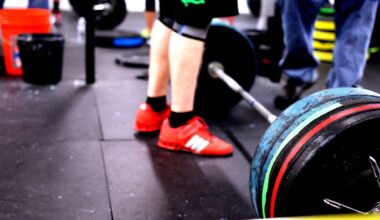
Incorporating biomechanical principles can significantly enhance athletic performance. By considering factors such as force, angle, and velocity, trainers can develop specific training methods that maximize efficiency and effectiveness. Techniques focusing on optimizing body mechanics can improve strength and flexibility, resulting in better overall athleticism. For instance, understanding the angles of force application during weightlifting can help athletes lift heavier weights while maintaining safety. Furthermore, biomechanical training insights can assist athletes in perfecting their strokes, jumps, or sprints, therefore improving their competitive edge. In sports such as swimming, the discovery of optimal body position and stroke mechanics is paramount. Athletes can reduce resistance, enhancing their speed and performance. Additionally, tracking progress through biomechanics allows athletes to visualize advancements and comprehend precise metrics of improvement. Enhanced feedback from performance optimizations encourages motivation and adherence to training programs. The ongoing assessment of biomechanical adjustments promotes better fitness understanding among athletes. Such empirical knowledge solidifies the connection between biomechanics and performance, leading to more effective training paradigms that empower athletes to achieve their objectives.
Moreover, technology plays a dynamic role in showcasing the impact of biomechanics on athletic training. Wearable devices like GPS trackers and motion sensors have revolutionized how performance is measured and analyzed. With real-time data, trainers can immediately assess athlete performance and make necessary adjustments instantly. Such technology creates a more personalized training experience, ensuring workouts are effective and tailored to individual needs. Integrating video analysis software enables coaches to dissect complex movement patterns in sports with precision. This method aids in breaking down technical skills, enhances understanding of biomechanics, and fosters the implementation of corrective practices. Athletes who engage with video feedback often make significant improvements due to increased awareness of their performance. The real-time aspect of the analysis allows for immediate feedback, creating a continuous loop of learning and adaptation. Furthermore, the data collected can be analyzed longitudinally to track long-term progress trends. This aspect promotes an evidence-based approach to training, providing clarity and direction for both athletes and coaches. With technology advancing rapidly, the future of biomechanics in athletic training holds immense potential.
Understanding the Role of Biomechanics in Recovery
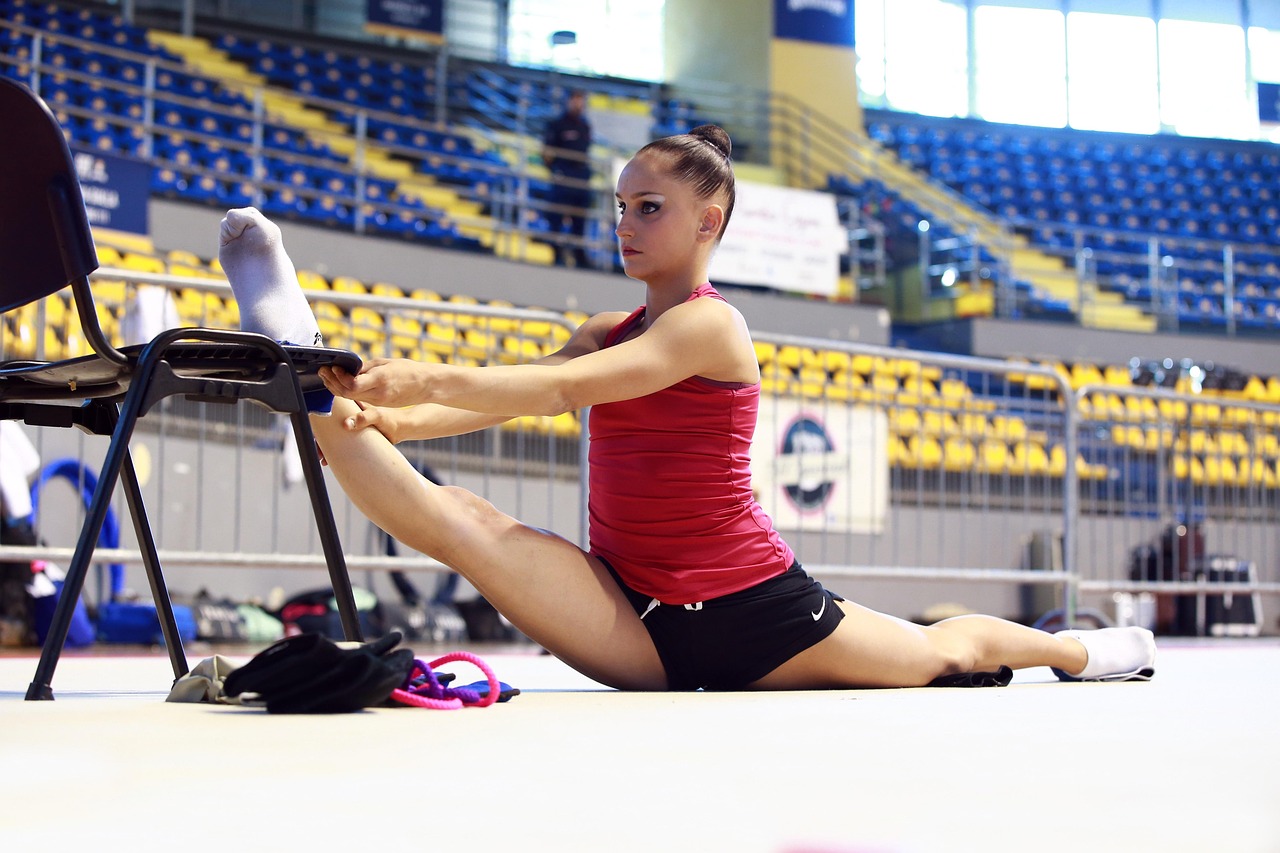
Recovery is essential for any athlete seeking to improve their performance, and biomechanics plays a vital role in this aspect. Understanding how the body moves and interacts under stress can reduce the time required for recovery and ensure that athletes are in peak condition for competitions. By employing biomechanical assessments, trainers can develop individualized recovery strategies tailored to each athlete’s unique biomechanics profile. Techniques such as foam rolling or targeted stretching can greatly reduce muscle tightness and enhance flexibility. Additionally, understanding the optimal angles and movements enhances rehabilitation protocols, ensuring athletes regain full functionality following injuries. The integration of biomechanics in recovery fosters a deeper understanding of how to utilize rest days effectively while maximizing repair processes. This knowledge allows athletes to make informed decisions regarding their training load and recovery periods. Furthermore, analyzing biomechanical adaptations during recovery helps trainers devise reconditioning protocols that transition athletes back to their sports safely. Such protocols are particularly relevant in preventing the recurrence of injuries by reinforcing muscle and joint resiliency. Thus, biomechanics not only enhances performance but also cements its significance in rehabilitation processes.
In the sports science domain, biomechanics has emerged as a key area of research, leading to advancements in athletic training methodologies. Extensive studies and experiments enable coaches and fitness professionals to remain at the forefront of performance optimization strategies. Collaborations among biomechanics experts, sports scientists, and athletic trainers create interdisciplinary frameworks that ensure athletes reap the benefits of cutting-edge innovations. The collective expertise enhances coaching methodologies by providing evidence-based insights into body mechanics. Consequently, athletes engage in smarter training regimens that prioritize safety and efficiency. Moreover, educational initiatives centered on biomechanics inform aspiring trainers on the significance of leveraging this discipline to improve athletic performance. Continued research into biomechanics fuels the development of innovative training tools and techniques that enhance athletic training’s effectiveness and safety. The gradual integration of biomechanical insights fundamentally alters the landscape of athletic training, particularly in understanding how to improve athletic performance systematically. As new research emerges, the need for athletic trainers to adapt becomes increasingly clear, making biomechanics a crucial component of modern training practices.
The Future of Biomechanics in Athletic Training
In conclusion, the future of biomechanics in athletic training appears promising, as ongoing research continues to unlock new insights. Emerging technologies, such as artificial intelligence, are likely to revolutionize how biomechanics is applied within training regimens. Machine learning algorithms may analyze vast datasets derived from human performance to extract key trends and correlations. This growing intersection of technology and biomechanics presents opportunities for refining training processes and fostering athlete development. As biomechanics research evolves, there will be an increasing emphasis on personalized approaches to address the unique needs of each athlete. Such strategies will incorporate psychological elements, alongside biomechanical principles, providing a holistic training framework. Enhanced understanding of the mental and emotional aspects of athletic performance will further ensure that athletes are prepared to face challenges. The combination of biomechanical analysis with psychological strategies will enable athletes to push boundaries, break records, and achieve their greatest potential. As the field continues to evolve, the integration of biomechanics into athletic training will shape a new era of enhanced performance and injury prevention.
This ongoing dialogue between biomechanics research and athletic training practices will be essential in developing future training methodologies. By bridging the gap between scientific discovery and practical application, trainers can ensure maximum benefit for athletes at all competitive levels. As coaches increasingly embrace biomechanical principles, the evolution of athletic training is set to enter an exciting new phase, paving the way for unprecedented achievements. It is clear that the integration of biomechanics will remain integral to the future success of athletes worldwide.