
How Flexibility Training Prevents Injuries in Martial Arts
Flexibility is a crucial aspect of martial arts training that often gets overlooked. Many practitioners focus solely on strength and technique. However, flexibility training provides essential benefits that prevent injuries and enhance overall performance. Proper flexibility aids in achieving a greater range of motion, allowing martial artists to execute techniques smoothly and effectively. This improved range reduces the likelihood of pulling a muscle or experiencing joint strain during intense training sessions. Additionally, flexibility helps in maintaining balance and stability. Increased suppleness also allows for quicker recovery from mishaps, which supports the idea that if one slips or missteps, flexibility can prevent potential tears or strains. Therefore, a comprehensive training regimen that incorporates flexibility exercises should be a top priority for all martial artists. By emphasizing flexibility, martial artists can engage in their practice with confidence, knowing that they have taken steps to protect their bodies. It’s vital to incorporate routines that target different muscle groups, ensuring both the upper and lower body are conditioned to handle the rigorous demands of martial arts. This holistic approach contributes to a longer and healthier training journey for practitioners, ensuring continual progress and achievement.
The Importance of Injury Prevention
Injury prevention is a fundamental aspect of any sport, including martial arts. These physical disciplines often place immense stress on the body, making it critical for practitioners to be proactive about protecting themselves. Flexibility training directly impacts this by preparing the muscles and joints for the physical challenges inherent in martial arts. When muscles are flexible, they can absorb shock more effectively, which minimizes the risks associated with high-impact activities. Furthermore, flexible muscles distribute forces evenly which helps to prevent strains or sprains during awkward movements. It’s equally important to focus on targeted areas like the hips, hamstrings, and shoulders, as these are commonly affected in martial arts practices. Implementing a routine that emphasizes dynamic stretches, static stretches, and yoga can have profound benefits. This holistic approach prepares the body for a variety of situations, whether it’s executing high kicks, grappling, or evading attacks. Additionally, the mental aspect of injury prevention shouldn’t be overlooked. Knowing that one’s body can perform effectively without the constant threat of injury fosters a positive training environment. Therefore, enhancing flexibility is paramount for martial arts enthusiasts committed to longevity and achievement in their practice.
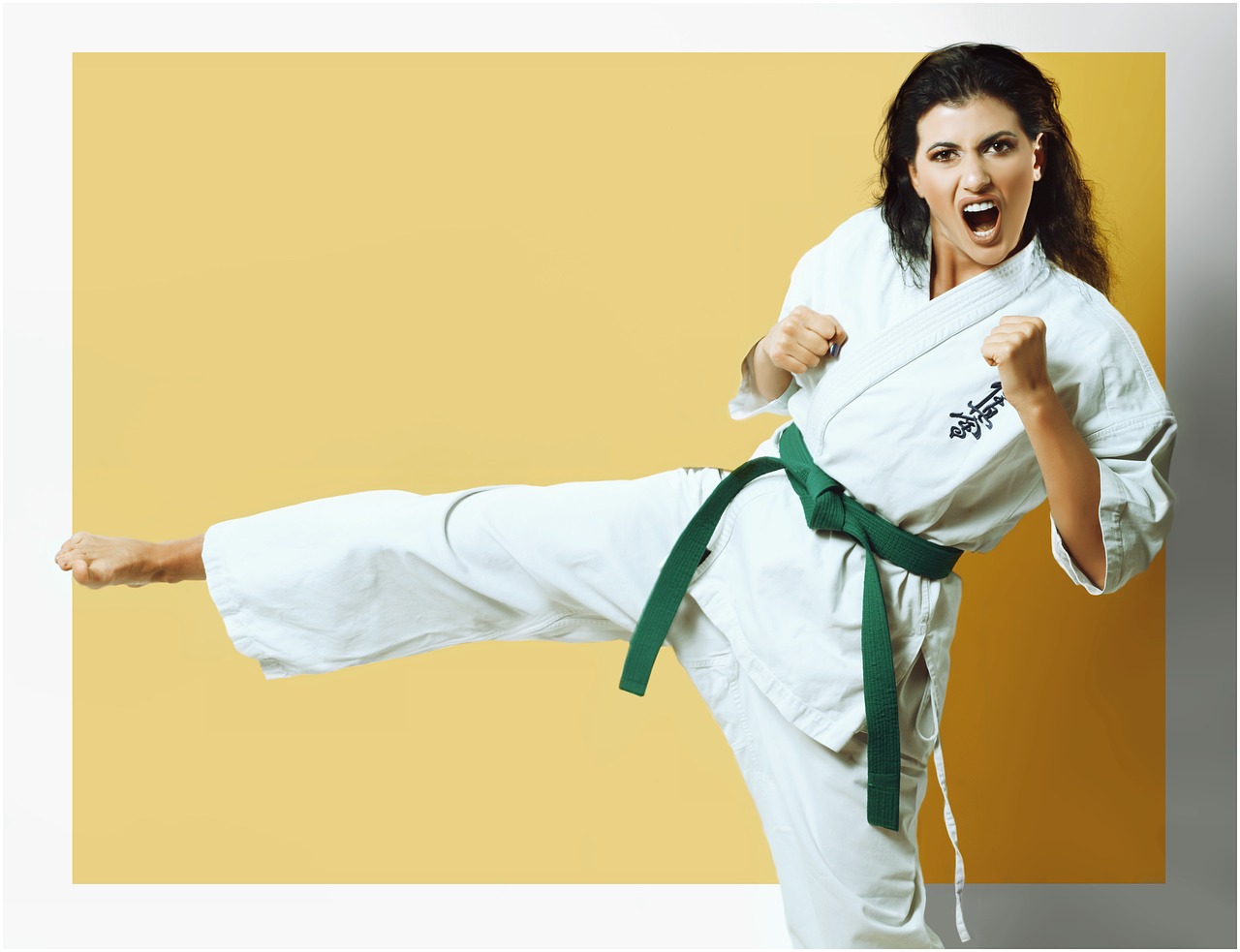
Flexibility training not only aids in injury prevention but also improves overall performance in martial arts. Practitioners who engage in regular stretching routines report feeling more agile and responsive during training sessions. Enhanced flexibility enables better technique execution, allowing martial artists to utilize their body mechanics fully. For instance, in disciplines such as Taekwondo or Karate, executing high kicks requires both strength and flexibility. Without adequate flexibility, a martial artist may struggle to achieve the desired height and control of their kicks. Additionally, flexibility influences how well a martial artist can adapt to their opponent’s movements. The ability to bend, twist, and maneuver effortlessly can make the difference between a successful defense and a devastating strike. As a result, a flexible martial artist is often a more effective one, capable of seizing opportunities in sparring or competition scenarios. This agility fosters increased confidence, which can positively impact performance outcomes. Therefore, integrating flexibility training into a martial artist’s regimen not only helps in reducing injuries but also enhances their fighting capabilities. A well-rounded martial artist understands the synergistic relationship between flexibility and technique, creating a pathway to excellence in their craft.
Types of Flexibility Exercises
Various types of flexibility exercises exist, each offering unique benefits in the context of martial arts. Static stretching, dynamic stretching, and Proprioceptive Neuromuscular Facilitation (PNF) are popular methods. Static stretching involves holding a stretch for an extended period, enhancing muscle elasticity. It’s excellent for post-training recovery, as it helps relax muscles and lengthens them gradually. Conversely, dynamic stretching includes moving parts of the body through their full range of motion, preparing the muscles for action. This method is ideal as part of a warm-up, as it mimics movements involved in martial arts. PNF combines both static and dynamic stretching, involving a partner to achieve maximum flexibility gains through resistance and relaxation techniques. Each type of stretch plays an important role in a martial artist’s overall flexibility routine, leading to fewer injuries. Incorporating these exercises regularly can significantly improve performance and comfort levels during practice. Practitioners should strive to develop a balanced flexibility routine that addresses all major muscle groups, promoting overall body efficiency and effectiveness in martial arts techniques. This deliberate approach to flexibility can enhance not only training but also competitive outcomes significantly.
Incorporating flexibility training into martial arts requires consistency and commitment. Professionals suggest dedicating time to flexibility routines at least three to four times a week. Consistency will yield noticeable improvements over time, helping martial artists become more flexible, agile, and resilient. A balanced approach that includes stretches for all major muscle groups will ensure comprehensive development. Practitioners may benefit from structured approaches, such as using established flexibility programs designed specifically for martial artists. These often include varied routines that can be adapted to individual needs and goals. Moreover, the integration of flexibility training within martial arts classes is essential. Instructors can encourage students to prioritize stretching sessions at the beginning or end of classes. This creates a culture that normalizes flexibility training and emphasizes its importance for safety and performance. Creating a community that values flexibility will support individual and collective growth. Personalizing one’s routine based on goals and body responses is fundamental. By tracking progress and making adjustments as necessary, martial artists can continually enhance their capabilities and reduce injury risks effectively. Ultimately, the dedication to flexibility will be reflected in strength, balance, and an overall successful martial arts journey.
Conclusion: Prioritize Flexibility
In conclusion, flexibility training is an essential component of martial arts practice that cannot be overlooked. It serves the dual purpose of injury prevention and performance enhancement. As martial artists strive for excellence, understanding the profound impact of flexibility on their training is vital. By incorporating structured, regular stretching routines, practitioners can significantly reduce their risk of injury while also improving their overall abilities. The commitment to flexibility leads not only to enhanced performance but fosters a well-rounded martial artist who can adapt, overcome challenges, and respond effectively during practices and competitions. This holistic approach ensures longevity in their martial arts journey, enabling athletes to train and perform at their best. Training sessions should include various types of stretching exercises that target all muscle groups to maximize benefits. Remember, flexibility influences every movement, and it directly correlates with one’s ability to perform complex techniques. Therefore, adopting a proactive mindset towards flexibility training will contribute immensely to a martial artist’s overall success. Flexibility should be viewed as a foundational pillar of martial training, essential for achieving new heights and prolonging a rewarding martial arts experience.
Ultimately, integrating flexibility training into a martial arts regimen is not just a matter of preference; it is necessary for success and sustainability in the sport. As the saying goes, ‘A flexible body breeds a flexible mind,’ and this is ever so true in martial arts. Being flexible translates into more than just physical agility; it enhances mental acuity. A clear mind paired with a flexible body creates opportunities for creative and effective strategies during training and competition. As practitioners focus on their flexibility, they become more aware of their bodies and movements, leading to greater self-confidence and mastery in their craft. The journey of enhancing flexibility requires patience and dedication, reflecting the very essence of martial arts. By making flexibility training a priority, martial artists cultivate resilience and adaptability, valuable traits that extend far beyond the dojo. This holistic development approach equips practitioners for all life’s challenges, not just their martial arts endeavors. When martial artists prioritize flexibility, they create a pathway toward personal growth, pushing boundaries and achieving remarkable feats. Flexibility training is, therefore, a vital investment in one’s martial arts journey, fostering a lasting commitment to excellence.