
Hydrotherapy Techniques as Relaxation Methods for Seniors After Fitness Activities
As seniors engage in regular fitness activities, incorporating relaxation techniques becomes essential for recovery. Hydrotherapy is one technique that offers numerous benefits, making it an effective method for relaxation. This practice involves the use of water to promote healing and alleviate stress, which is particularly valuable for older adults. Hydrotherapy can be performed in various forms such as warm baths, whirlpools, and even swimming pools. The warmth of the water helps soothe muscle tension and eases stiffness, providing seniors with much-needed relief after exercise. Water buoyancy also reduces pressure on the joints, facilitating a pleasant and relaxing experience. Seniors can enjoy gentle exercises in water, fostering movement without excessive strain. Furthermore, hydrotherapy can enhance circulation significantly, helping to reduce fatigue and encourage a faster recovery after physical activities. Consistently using hydrotherapy techniques can lead to improved flexibility and decreased chronic pain. Overall, integrating hydrotherapy into a post-exercise routine can offer seniors both physical and mental relaxation, aiding their overall well-being and allowing them to maintain an active lifestyle.
Benefits of Warm Water Therapy for Muscle Recovery
Warm water therapy is a highly effective hydrotherapy technique that facilitates muscle recovery after exercises. The heat from warm water helps to increase blood circulation in the body, providing essential nutrients and oxygen to fatigued muscles. This is particularly important for seniors, as aging muscles might require extra assistance in recovery. The warmth promotes muscle relaxation, which can significantly reduce pain and discomfort experienced after workouts. This relaxation leads to improved flexibility, allowing seniors to maintain their activity levels without severe discomfort. Another benefit of warm water therapy is the ability to customize the water’s temperature to suit individual comfort levels. Seniors can benefit from a soothing bath that alleviates aches without feeling overwhelmed. It can also promote better sleep through muscle relaxation, leading to improved overall well-being. Engaging in warm baths or using a heated pool after fitness activities can elevate overall satisfaction with exercise routines while decreasing recovery times. This simple yet effective method can be utilized frequently to enhance physical health and improve mental health as well.
Hydrotherapy techniques not only include warm water therapy but also the use of cold water therapy for muscle recovery. After an intense workout, cold water can be instrumental in reducing inflammation. Cold water therapy, often realized through cold packs or ice baths, constricts blood vessels, numbing soreness and decreasing swelling in muscles and joints. This technique is essential as many seniors grapple with inflammation or joint pain after exercise. The combination of heat and cold therapies can lead to more effective muscle recovery, addressing a wide range of post-exercise issues. Alternating between hot and cold water aids in boosting circulation, as the body reacts to thermal changes effectively. It is essential to note that while cold water helps reduce pain, warm water promotes healing. Therefore, incorporating both kinds of hydrotherapy into a recovery routine can create optimal conditions for muscle recovery. Seniors should consider scheduling routine hydrotherapy sessions as a part of their wellness plans to achieve enhanced performance and recovery after workout efforts.
Gentle Aqua Aerobics as a Relaxation Technique
Aqua aerobics serves as an enjoyable and effective relaxation technique for seniors post-fitness activities. This low-impact workout method promotes cardiovascular health while being gentle on joints and muscles. The supportive environment of water facilitates movement, allowing seniors to engage actively without excess strain. Aqua aerobics classes can create a sociable atmosphere, where participants enjoy exercising quickly. This social aspect can elevate mood and overall mental health, adding another layer of benefit to the physical relaxation. The water resistance encountered during exercises also helps tone muscles, which is particularly beneficial for seniors looking to maintain strength. Moreover, aqua aerobics can incorporate relaxation techniques, such as deep breathing and gentle stretching, further enhancing its effectiveness. These movements encourage stress relief, leading to improved psychological well-being. It is essential for seniors to find qualified instructors familiar with special needs, ensuring safety while promoting effectiveness. Regular engagement in aqua aerobics can lead to significantly improved relaxation levels after other forms of fitness routines, demonstrating its invaluable role in a comprehensive fitness program.
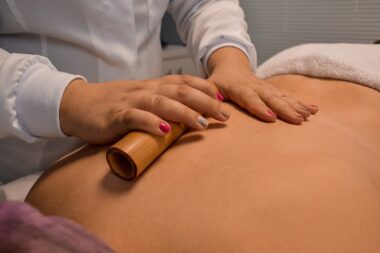
Additionally, using hydrotherapy in conjunction with massage techniques can enhance relaxation after physical activities. Massage therapy aids in muscle recovery and reduces tension and soreness. Considering that many seniors experience discomfort after exercising, the combination of hydrotherapy and massage offers a holistic approach to relaxation and recuperation. Notably, a water massage or hydro-massage system provides targeted relief to sore areas, allowing a soothing experience without the need for direct contact. This form of therapy encourages the release of endorphins, which positively influences mood and reduces stress levels. The relaxing effect of hydrotherapy, paired with the gentle pressure of massage, creates a calming atmosphere that supports seniors in letting go of stress. Additionally, the alliance of these techniques can make physical activity more enjoyable for seniors, improving their dedication to fitness routines. With regular use, many participants find that they experience lower levels of anxiety and improved emotional resilience. This synergistic approach can be a cornerstone in pursuing longevity and quality of life, making it critical for seniors to consider integrating these practices into their wellness plans.
Engaging in Mindfulness and Relaxation Techniques
Incorporating mindfulness techniques into hydrotherapy sessions can further improve relaxation outcomes for seniors. Mindfulness refers to being present and aware of one’s thoughts, feelings, and bodily sensations without judgment. Engaging with the water in a mindful way can enhance the overall experience. Seniors can focus on how the water feels against their skin or concentrate on their breath while floating. This approach can help release lingering stress and create a deep sense of peace. Additionally, guided imagery techniques can be utilized during hydrotherapy sessions as well. For instance, imagining soothing scenes while immersed in warm water can promote relaxation significantly. It encourages a tranquil mental state, aiding recovery and stress relief after exercise. Creating a calming atmosphere, which can include soft music or ambient sounds, can also enhance this mindfulness experience. Regular mindfulness practices can significantly improve seniors’ mental clarity and well-being. Thus, combining mindfulness techniques with hydrotherapy emerges as a vital strategy for effective post-exercise relaxation, leading to extensive benefits in overall health and quality of life.
In conclusion, hydrotherapy techniques serve as valuable methods for seniors seeking relaxation after fitness activities. The use of warm and cold water therapies provides a dual approach to muscle recovery, enabling safer movement without excess strain. Complementing these techniques with skills like aqua aerobics and mindful practices enhances emotional well-being while promoting physical healing. This multi-faceted strategy helps seniors maintain their fitness routines while enjoying the benefits of relaxation. It is essential for seniors to recognize the importance of incorporating relaxation techniques into their post-exercise regimen. This not only aids physical recovery but also bolsters mental health. Creating a routine that includes hydrotherapy can empower seniors, ensuring they remain active and engaged in their health. Moreover, establishing a connection with fellow participants in water-based activities can lead to building community ties. Such engagements foster lasting relationships, contributing positively to overall wellness. Encouraging seniors to explore or join hydrotherapy programs opens new avenues for relaxation and enjoyment while reinforcing a commitment to health. Therefore, prioritizing these techniques can make fitness more fulfilling and beneficial for older adults.
This article guides seniors toward effective hydrotherapy strategies for relaxation following fitness activities. Each technique provides beneficial results when practiced regularly. Consistent engagement in hydrotherapy can pave the way for a healthier lifestyle, encompassing both physical fitness and overall emotional wellness.