
Mind-Body Connection: Meditation and Calisthenics for Seniors
The journey of staying fit transcends mere physical exercises when considering calisthenics for seniors. The incorporation of meditation can nurture a profound mind-body connection, enhancing the effectiveness of workouts. Through understanding their bodies better, seniors can achieve greater flexibility and strength. Calisthenics offers an adaptable and safe workout regimen, which can prevent injuries while promoting functional strength, essential as we age. By focusing on body weight exercises, older adults can engage with their fitness on their own terms. Moreover, the meditative aspect allows participants to enter a calm state of mind, fostering mindfulness. Mindfulness in movement helps seniors connect to their physical capabilities and limitations, ensuring they progress in a mindful manner. Practicing meditation alongside calisthenics encourages balance, coordination, and awareness of the body. This dual approach can lead to improved mental health, reducing stress and anxiety levels among senior individuals. As an Invitation to explore this lifestyle change, seniors are encouraged to start small, incorporating mere minutes of meditation before and after calisthenics. Embracing these practices could significantly enhance their quality of life.
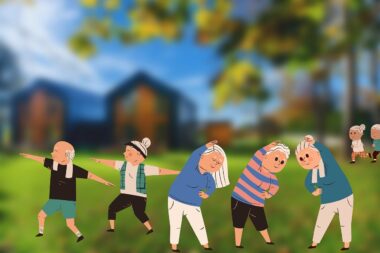
First, it is essential to understand the techniques of calisthenics that can be particularly beneficial for seniors. Exercises like push-ups, squats, and lunges can be modified to suit various fitness levels. For instance, performing wall push-ups reduces the intensity while still providing strength benefits. Additionally, chair squats offer a safe way to engage leg muscles without the risk of falling. Gradually incorporating these movements into a daily routine is essential for building confidence. Moreover, exploring stretching routines helps maintain flexibility as individuals age. Comprehensive workout plans should additionally incorporate breathing exercises, as they complement both calisthenics and meditation. Consider teaching proper breathing techniques before workouts, as they prime the body for better performance. Furthermore, engaging in rhythmic breathing while performing calisthenics can improve endurance and stability. Combining gentle stretching exercises before jumping into calisthenics promotes injury prevention significantly. Overall, encouraging seniors to seek guidance from experienced trainers can introduce safe practices and encourage participation in group classes. Such collaboration often fosters a supportive environment, encouraging social interactions, which can be motivational for elderly participants.
Another essential aspect of calisthenics for seniors is the role of meditation in enhancing their overall experience. Meditation techniques, such as mindfulness and guided imagery, serve to ground seniors in their practice, encouraging them to stay connected to their bodies. Regular meditation can foster enhanced concentration, positive mental health, and reduced feelings of isolation. As individuals age, mental alerts can make substantial differences in their quality of life. Encouraging proactive engagement in calming practices enables seniors to become more adept at recognizing their emotions and physical sensations. This fosters an understanding of their limitations during calisthenics, reducing the risk of overexertion. Brief meditation sessions integrated between exercise sets can also encourage more natural movements, as patients become aware of their breath and pace. Moreover, breathing techniques practiced during meditation can enhance performance in calisthenics sessions. Implementing short, mindful moments during a workout helps participants reset their focus when necessary. The combination of calisthenics and meditation promotes resilience, equipping seniors with valuable tools to face everyday challenges, both physical and emotional. This holistic approach can truly transform their physical and mental well-being.
Creating a Routine
As individuals explore the integration of meditation and calisthenics into a daily routine, consistency will be vital for long-term adherence. Seniors are encouraged to set achievable goals, gradually increasing the intensity of their workouts as they grow more comfortable. Consider developing a specific workout schedule that suits personal preferences, ensuring to include short meditation breaks. Such a structured plan could lead to greater discipline and fewer chances of falling into a sedentary lifestyle. It is also beneficial to engage in social activities surrounding these practices, as workout buddies can provide motivation. Senior centers often have groups focusing on these dual techniques, helping to build camaraderie and accountability. Additionally, consider integrating technology, such as fitness apps designed to support seniors in their workout journeys. Incorporating a variety of workouts will prevent monotony, keeping participants engaged and excited to continue. Aiming to practice calisthenics and meditation multiple times weekly allows for gradual, sustainable progress. Remember to celebrate small victories, such as holding a plank longer or achieving greater flexibility in a stretch, to maintain motivation and enhance self-worth. Encouragement from family members can also significantly influence success in adopting this lifestyle.
Moreover, sharing success stories from seniors who have embraced calisthenics and meditation can inspire others to pursue a similar path. These anecdotes affirm that it’s never too late to improve one’s physical health and mental well-being through dedicated practice. Engaging personal testimonials can influence not only participants but their loved ones, creating wells of support within families. Communities can be fostered around these healthy practices, extending the benefits of physical activity and mindfulness. This dynamic connection helps emphasize the essence of relationships in personal growth. Regular meet-ups or online group sessions can help maintain motivation and provide unique perspectives. These gatherings can also serve as platforms to learn new techniques and facilitate experience sharing. Importantly, including different generations may further enrich these conversations, fostering mutual respect and understanding. By collaborating across age groups, unique adaptations of calisthenics can be realized, favoured by both seniors and younger individuals. Such endeavors can lead to more inclusive fitness societies that recognize the value of mindful exercise. Ultimately, engaging in shared experiences can enhance the overall quality of life for seniors who seek improved physical and mental prowess.
Conclusion
In conclusion, the synthesis of meditation and calisthenics creates a powerful tool for promoting health among seniors. This synergistic relationship nurtures physical strength while instilling a sense of mental calm, directly addressing age-related concerns. Early interventions in fitness help seniors maintain independence and reduce risk factors associated with chronic illnesses. Therefore, pursuing this lifestyle approach can significantly enhance personal wellness, self-esteem, and social interactions. For those taken with this idea, initiating these practices should start slowly but can quickly lead to greater intensity and fulfillment as one progresses. The collectively nourishing benefits of meditation and exercise encourage empowerment within the senior demographic. A continued commitment to personal health through moderated calisthenics can instigate inspiring lifestyle transformations. Continuous learning about new techniques or variations in calisthenics over time will keep seniors engaged. As many resources are now accessible, it becomes easier than ever to access guidance about meditation and calisthenics designed specifically for seniors. Exploring these dynamic exercises allows individuals to blossom within the mind-body connection, encouraging growth and improved quality of life in their golden years.
Finally, it is essential to acknowledge that every individual’s journey will be unique. Adjusting practices to meet personal needs will allow for greater enjoyment and commitment to fitness. Embracing a curious mindset as they explore the relationship between meditation and calisthenics is crucial for seniors. Those involved should focus on their capabilities without dwelling on past restrictions. Practicing gratitude and acceptance makes it easier to develop sustainable habits over time. Careful tracking of progress can also help increase self-motivation and engagement as goals are met. Routine check-ins with fitness coaches or community members will act as vital encouragement throughout this journey. Efforts made to remain active can have exponential benefits over time, transforming seniors’ lives for the better. By weaving the threads of physicality and mindfulness, seniors open doors to a fuller life. Rewards gained through the dedication to both mind and body foster long-lasting connections, bringing joy and tranquility. Ultimately, calisthenics combined with meditation creates pathways to flourishing health, empowering seniors to lead fruitful lives outside traditional constraints. Reimagining fitness provides rich dividends that enforce joyous living for older adults.