Obstacle Course Racing 101: Understanding the Different Types of Obstacles
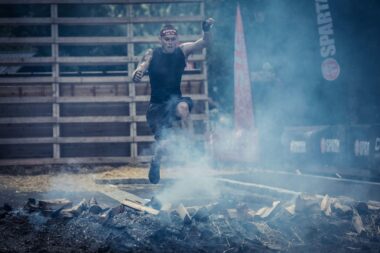
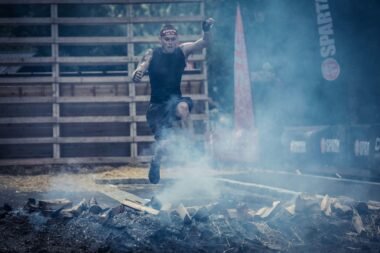
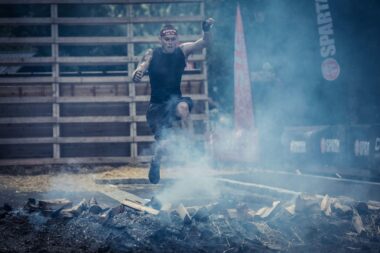
Obstacle Course Racing, or OCR, has gained immense popularity as a challenging sporting event among fitness enthusiasts. It combines various physical challenges aimed at testing endurance, strength, speed, and agility. These courses feature a wide range of obstacles designed to engage participants in both fun and fitness. From climbing walls to rope swings, OCR demands a good level of physical conditioning and mental toughness. Many beginners may feel intimidated, but understanding the types of obstacles can help them prepare effectively. The basic components of an obstacle course include running, crawling, climbing, and even swimming. These activities are not just physically challenging, but also mentally stimulating as they require strategic thinking and spontaneous decision-making. Knowledge of the different obstacles can give athletes an edge in race performance, whether they are attending for competition or personal accomplishment. Some common obstacles may include barbwire crawls, tire flips, and monkey bars. Familiarizing oneself with these challenges will foster confidence and improve performance during races. Armed with this knowledge, aspiring racers can better equip themselves for obstacles they will surely encounter.
Common Types of Obstacles in OCR
In the world of OCR, several types of obstacles are frequently encountered, each designed to test specific skills. First, wall climbs are prevalent, requiring participants to scale vertical structures ranging from eight to fifteen feet high. These walls strengthen upper body muscles while challenging balance. Another common obstacle is the rope climb, which demands coordination and core strength. This obstacle trains the muscles necessary for climbing and builds teamwork when tackled as a group. Furthermore, mud pits are also challenging; they add an element of fun but can slow participants down considerably. In addition, A-frame and pyramid structures incorporate both climbing and descending techniques that test grip strength and fitness levels. Participants might also face cargo nets that require climbing and balancing skills. Lastly, walls wrapped in barbed wire introduce more complexity, making crawling through mud and beneath obstacles essential. Navigation through these various hurdles is key to completing the race efficiently. Ultimately, a well-rounded participant must adapt their skills to conquer both crawling and climbing oriented challenges. With a deeper understanding of these obstacle types, racers can better prepare to tackle the course.
For beginners, engaging in various training routines is essential to prepare for OCR. Developing strength and endurance takes dedication and a strategic approach to workouts. An effective way to begin is to focus on functional training exercises that mimic obstacles. Bodyweight workouts such as push-ups, squats, and burpees build foundational strength. Incorporating obstacle-specific workouts like tire flipping and rope climbing are effective methods to improve performance. Interval training can enhance cardiovascular endurance significantly as well. Additionally, practicing different crawling techniques can prepare individuals for mud pits and the barbed wire crawl. Another effective training method includes participating in a local obstacle course fitness class. Working in a group offers social support and a shared commitment to overcoming challenges. When training, set specific fitness goals to achieve milestones along the way. Regularly revisiting the fitness goals and adjusting them can help maintain motivation throughout the training journey. Always keep in mind, injury prevention is crucial, so implement warm-up and cool-down routines. With a consistent training plan in place, aspiring racers will develop the skills needed to conquer different obstacles efficiently during the race.
Importance of Strategy in OCR
Strategic planning is vital in obstacle course racing, as success relies not just on physical capabilities but also mental acuity. Competitors must navigate obstacles quickly while optimizing energy expenditure. OCR teaches racers to assess their capabilities in real time and make decisions that can impact performance. Understanding when to push hard and when to conserve energy is essential during races. An effective strategy includes choosing the best lines and techniques to overcome obstacles quickly. For instance, deciding whether to climb over a wall versus finding a spot to jump over can save precious seconds. Additionally, pacing plays a critical role, as unprepared exertion may lead to fatigue before the race ends. It’s also important to review the course layout beforehand if possible—familiarity can increase a racer’s confidence. Planning for various scenarios during the race will prepare racers to adapt and overcome unexpected challenges. Practicing techniques beforehand will help develop a strong mental approach and create consistency in performance. In races, these strategies can separate competitors and elevate their times, ultimately leading to better completion and enjoyment.
It is crucial for participants to recognize the risks associated with obstacle course racing. Although OCR is an exhilarating experience, it doesn’t come without its challenges. Injuries can happen, especially if racers are untrained or unfamiliar with specific obstacles. Common injuries include sprains, strains, or bruises, often occurring due to falls or miscalculated jumps. To minimize these risks, proper training and conditioning are vital. Always practice diligently before attempting races. Additionally, approach obstacles with caution and ensure that you have the necessary skills to handle each challenge. With increased awareness about personal limits and capabilities, racers can make smarter decisions during their course. Encouraging participants to listen to their bodies is important; if something doesn’t feel right, it might be best to scale back. Moreover, participants should use proper footwear and gear to provide adequate support and protection. Following these guidelines can lead to a more enjoyable OCR experience. As racers become more familiar with the terrain and the obstacles, they will ultimately feel more confident in their decisions, which can significantly enhance performance.
Key Takeaways for Aspiring OCR Competitors
As aspiring OCR participants dive into the world of racing, it’s essential to summarize the key takeaways for success. First and foremost, familiarize yourself with different types of obstacles to prepare effectively. Participating in various training exercises will bolster the necessary skills to navigate challenging hurdles. Skill development should focus on both upper and lower body strength, agility, and endurance. Consistent practice will allow racers to feel confident when faced with obstacles. Next, develop a strategic mindset that encompasses pacing, technique, and situational awareness during races. Understanding where to conserve energy and where to exert more effort is also crucial. Additionally, awareness about personal limits and injury prevention should not be overlooked. Proper gear will also play a significant role in performance; choosing the right shoes can impact traction and grip on various surfaces. Lastly, it is important to enjoy the process! Track progress in training to celebrate small victories along the journey. Collaborate with fellow enthusiasts and share experiences to enhance learning. By adhering to these takeaways, aspiring OCR racers will find themselves more prepared and capable of tackling obstacles with confidence.
Obstacle Course Racing not only tests physical capabilities but also encourages camaraderie and teamwork. Many events are designed for team participation, making these races perfect opportunities for friends and family to bond while facing challenges together. Working collaboratively to navigate obstacles fosters a sense of community among participants. Team dynamics can greatly influence race performance as individuals encourage one another to complete demanding tasks. This collaborative environment creates memorable experiences as competitors cheer each other on, amplifying motivation. Furthermore, OCR promotes a healthy lifestyle through its focus on fitness and fun. Those who participate in these events often become advocates for healthy living and inspire others to join in on the adventure. Following a race, many form lasting friendships through shared experiences. This sense of belonging adds an extra layer of enjoyment to the sport. With more events popping up around the world, OCR continues to evolve. While courses become more inventive, the challenge remains, ensuring excitement for new and seasoned participants alike. Ultimately, engaging in Obstacle Course Racing is rewarding not only for the physical challenges but for the connections made along the way.
Looking Ahead: Future of OCR
As Obstacle Course Racing continues to grow in popularity, the future of this thrilling sport is full of exciting possibilities. New technology is being integrated, such as advanced timing systems and obstacle designs that enhance participant experiences. Innovative races keep emerging, introducing unique challenges that ignite the competitive spirit. Many organizers are also prioritizing safety measures to ensure that participants can engage in a thrilling experience while minimizing injury risks. The community continues to expand as more individuals join in, leading to collaborative events and sponsorship opportunities. While traditional obstacles remain popular, new trends may involve incorporating elements from other sports or fitness trends. The adventurous nature of OCR is likely to pave the way for even more daring and interactive courses. As individuals become more engaged in fitness and wellness, OCR will likely remain an attractive option for various audiences. It inspires participants to push their limits and embrace new experiences. Ultimately, as the sport matures, it will continue promoting physical fitness and healthy lifestyles. Through community engagement and innovation, OCR is set to thrive and evolve, appealing to many fitness enthusiasts.