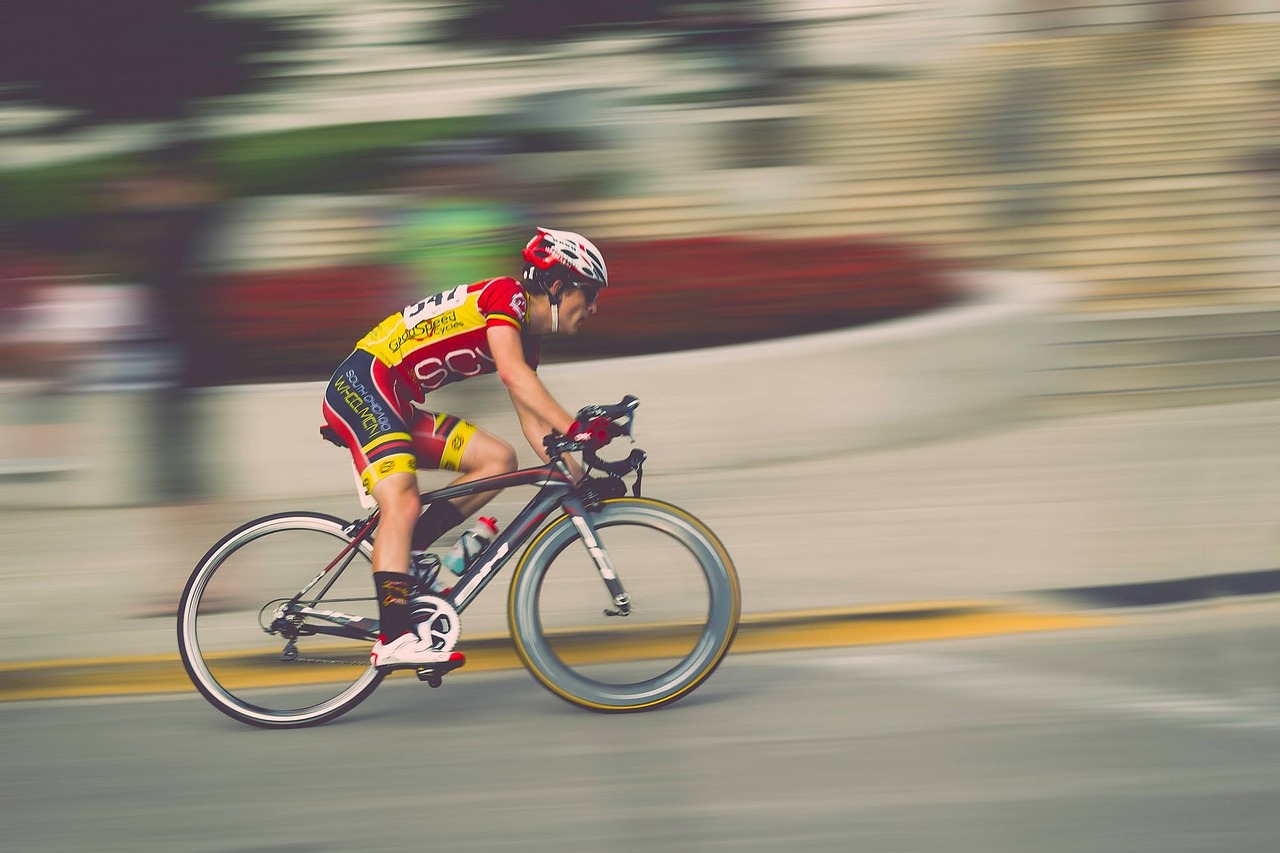

Understanding the Importance of Climbing Strategies
When preparing for road races that feature mountain climbs, understanding the significance of climbing strategies is crucial to your performance. Climbs can challenge both physical and mental endurance, and your strategy should start long before the race. Familiarize yourself with the route, especially the elevation profile, because it can help you determine where your energy should be spent. Keeping a constant pace on inclines is essential, and knowing when to push harder can give you a competitive edge. Additionally, practice your climbing technique during training rides by including similar mountainous terrains. Incorporate interval sessions focusing on stamina, tackling steep gradients regularly. This practice will prepare your body for the actual demands of climbing. Nutrition and hydration management are equally vital, as you need a consistent supply of energy when facing vulnerabilities in long climbs. Lastly, adapting your bike’s gear ratios can optimize your climb efficiency, allowing you to maintain leg speed and power. Implementing these strategies effectively during your training can lead to improved performance on race day, marking a significant improvement in your mountain climbing strategy and overall competitiveness.
Equipment Considerations for Mountain Climbing
As you gear up for mountain climbs, selecting the right equipment becomes just as critical as the strategies you employ. Firstly, your choice of a lightweight road bike can significantly enhance your climbing efficiency. A bike designed for climbing will typically offer better gear ratios, which can reduce the effort required on steep inclines. Consider using a compact crankset to provide easier gearing options, especially in challenging terrains. Additionally, invest in a good set of lightweight wheels; they greatly affect acceleration and speed on climbs. Choosing the right tires is essential as well; look for tires that offer a balance between weight and grip. A wider tire can provide better traction, especially on loose surfaces. Clothing should not be overlooked; wear breathable, moisture-wicking fabrics that help regulate body temperature. Moreover, using cycling shoes that offer adequate power transfer is key to enhancing your performance. Don’t forget to bring a multi-tool or emergency repair kit, as climbs can present unexpected challenges. An essential checklist before a race day helps ensure that you have everything required for a successful climb during a road race.
Fitness and Endurance Training Tips
Improving your fitness level through dedicated endurance training is vital for successfully tackling mountain climbs in road races. Begin with incorporating long rides into your training regimen to build overall stamina. Aim for rides lasting three to five hours, especially if they include hill climbs. Gradually increase the difficulty of these rides by choosing steeper and longer hills, effectively simulating race conditions. Interval training should also be a significant component of your fitness plan; include sessions where you spike your heart rate during climbs followed by recovery periods. This training helps build both your aerobic and anaerobic capacity. Include strength training routines focusing on core muscles and legs, as this will translate to better climbing power. Practices such as yoga can improve flexibility and balance, both of which are beneficial when navigating steep gradients. Recovery should also play a key role in your training plan; ensure you have rest days to allow muscles to recover and adapt. Proper fueling through balanced nutrition during this training can further enhance your potential to tackle mountain climbs vigorously.
Race Day Strategies for Climbing
On race day, strategically managing your energy and pacing is crucial for successful mountain climbing during road races. Start by establishing an appropriate rhythm; avoid going too hard at the beginning, which can lead to quick fatigue. Utilizing a perceived exertion rate can help in maintaining an optimal effort level throughout the climb. Pay attention to your heart rate but don’t dwell strictly on it, as this might distract from your effort. Nutrition is significant on race day; consuming easily digestible energy sources, such as gels or energy bars, at regular intervals can prevent bonking during climbs. Hydration is equally important; drink small amounts of water consistently to maintain optimal hydration without feeling heavy in the stomach. It’s advisable to break the climb into sections mentally, focusing on reaching the next marker or reaching the summit incrementally. Trust your training, especially when fatigue sets in; recall your conditioning efforts and push through any physical barriers. Finally, remember to keep a steady breathing pattern to stay relaxed while climbing. Staying focused and applying these race day strategies will improve your performance significantly.
One common mistake among cyclists is to underestimate the descent following the climb. Employing a strategic approach on descents can be just as vital as climbing efficiency. When descending, your position is crucial; lower your torso to minimize wind resistance, while maintaining a comfortable grip on the handlebars. This position allows more control and stability during fast descents. Mastering braking techniques is also essential; use a combination of both brakes—front and rear—to maintain balance and control, avoiding skidding or fishtailing. Keeping your line through the descent is crucial, as this will ensure you’re taking the shortest path down and eliminating unnecessary mileage. Be mindful of road conditions; wet or gravelly terrain requires heightened caution and control. Utilize your climbing experience; if you conserve energy while climbing smartly, leverage that energy while descending to recover. Additionally, practicing multiple descents during training can increase your confidence and speed, improving your familiarity with various conditions. Make it a point to note how your bike handles different surfaces and terrain towards optimizing performance across varied climbs and descents. This balance of skills will greatly influence your success during competitive events.
Post-Race Recovery and Analysis
After the intensity of mountain climbing during road races, post-race recovery and analysis can improve future performances. Start your recovery immediately, focusing on proper hydration and nutrition—the importance of replenishing electrolytes can’t be overstated. Consuming a combination of carbohydrates and proteins aids muscle recovery, with an ideal window being 30 to 60 minutes post-race. Stretching and gentle cool-down exercises prevent stiffness and aid in reducing soreness. Consider utilizing foam rollers or massage therapy to relieve muscle tension accrued during climbs. It’s also essential to assess your climbing performance; analyzing your pacing, energy management, and overall execution provides insights for improvement. Keep detailed race logs to track what worked well and what didn’t. Reviewing your heart rate data and power output during climbs could indicate areas needing attention. Connect with fellow cyclists for advice or share experiences that may also prove enlightening. Additionally, scheduling rest days post-race will ensure sufficient recovery before diving back into training. Prioritize sleep and self-care as essential parts of your recovery schedule. Utilizing these strategies consolidates performance improvements over time, enhancing your future climbing abilities.
Finally, consider the mental aspect of competition, which is often overlooked. Climbs can be mentally daunting, with fatigue setting in and self-doubt creeping up during significant climbs. Building mental resilience is essential; practicing visualization techniques can enhance your focus and willpower on race day. Mentally rehearsing successful climbs and visualizing crossing the finish line boosts confidence and positive mental attitude. Setting incremental goals throughout your ride will maintain motivation and keep spirits high; celebrate reaching each milestone as a form of mental reinforcement. Use support from teammates or spectators as motivating forces, as their cheer can rejuvenate your spirit during exhausting climbs. Journaling about your races and training can help identify psychological patterns and challenges faced. Ultimately, finding a balance between physical preparation and mental training will lead to maximum performance during mountain climbs. Make sure you value recovery not only physically, but also mentally; decompressing after races or tough climbs allows for a healthier mindset moving forward. Cultivating mental skills alongside endurance and stamina can transform climbing strategies during road races, enhancing enjoyment and ultimately your performance.