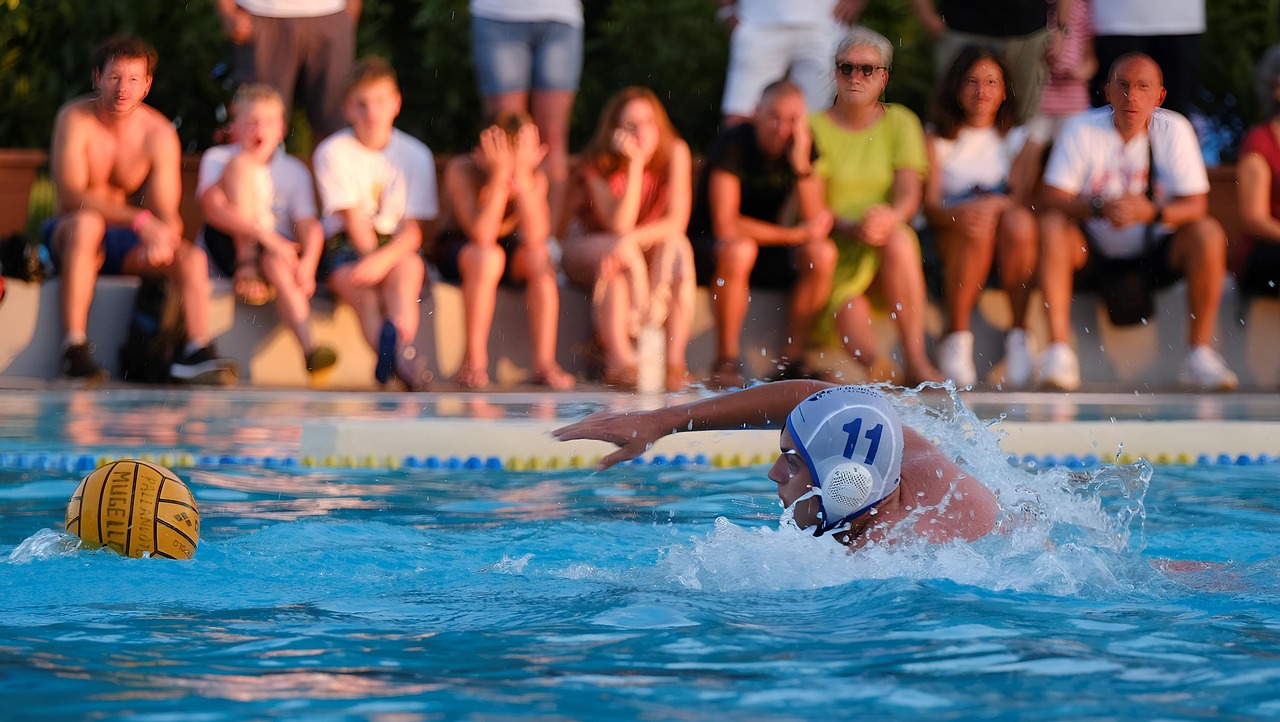

The Psychology of Water Polo: Handling Pressure and Stress
Water polo, unlike many other sports, demands extraordinary mental resilience in addition to physical capabilities. Athletes frequently face high-pressure situations, such as important matches or significant championships. Successfully navigating these situations requires players to harness their psychology effectively. Mental strategies like visualization improve focus and boost confidence. Effective stress management techniques help to maintain mental composure during matches. Athletes utilize breathing exercises to regulate anxiety and to calm their nerves before games. This enables them to enhance performance levels when it matters most. Furthermore, planning ahead becomes crucial to handle unforeseen circumstances in water polo. Players create tactical contingency plans that address various game scenarios, ensuring readiness. It is also essential for athletes to build a supportive team environment, fostering camaraderie and trust. This creates a sense of belonging and helps mitigate stress levels. Ongoing psychological training becomes invaluable for water polo players, helping them cultivate a winning mindset. Through individualized approaches, focusing on the mental aspect becomes essential to thriving in this demanding sport. Collectively, these strategies form a robust framework for achieving success in the competitive world of water polo.
Understanding the Role of Team Dynamics
In water polo, team dynamics crucially influence performance under pressure. Every player’s psychological state affects the overall group as cohesive teamwork is fundamental. Effective communication among teammates boosts strategic execution, allowing for quick adaptations during matches. A connected team shares goals and motivates each other, reducing anxiety levels. Goal setting within the group prepares players for competing at intense levels. This shared responsibility enhances accountability and supports individual players in maintaining focus. Additionally, teams often engage in bonding activities, strengthening their relationships. Such efforts create trust and reliability, enabling players to rely on each other in dire situations. Coaches also play a significant role in shaping these dynamics, providing guidance and fostering a positive environment. They help athletes cultivate resilience, preparing them for external pressures. The coach’s approach deeply impacts players’ mindsets, guiding their reactions when faced with challenges. Regular team discussions regarding mental strategies promote awareness and bolster collective resilience. By nurturing a united front, water polo teams can effectively navigate the high-stress scenarios inherent in competitions. These dynamics underline the importance of collaboration in achieving optimal performance in water polo.
Psychological flexibility becomes vital for water polo athletes facing relentless competition. The ability to adapt to shifting circumstances plays a significant role in athletic success. Water polo games are unpredictable with abrupt tactical changes, requiring players to adjust spontaneously. Developing mental agility helps participants respond to unexpected situations calmly, maintaining composure. Athletes utilize a concept known as ‘mindfulness’ to enhance awareness of their thoughts and emotions during matches. This awareness allows them to evaluate their responses, leading to more effective decision-making under pressure. Training in mindfulness techniques has been shown to promote emotional regulation and reduce anxiety. Moreover, engaging in regular mental conditioning provides athletes with coping strategies against stress. Diverse exercises emphasize emotional resilience, enabling players to envision potential challenges and formulate appropriate reactions beforehand. Visualization empowers athletes by crafting successful scenarios in their minds. This mental rehearsal enhances confidence, enabling players to feel prepared when competing. Encouraging personal growth by embracing vulnerabilities further promotes resilience. Such practices contribute to building a strong psychological foundation essential for thriving in the demanding sport of water polo. By honing these skills, athletes can navigate their psychological landscape effectively, ultimately leading to improved performance.
The Importance of Mental Conditioning
Mental conditioning serves as an essential aspect of preparation in water polo, influencing performance significantly in high-stress situations. Athletes benefit from targeted mental training practices, aimed at enhancing focus and maintaining composure during critical moments. Various techniques, like positive affirmations, equip players with the right mindset before competitions. Setting personal benchmarks boosts self-esteem and supports goal achievement, making stress more manageable. Another vital aspect of mental conditioning entails creating pre-game rituals that ground players and instill routine. This predictability offers a sense of security and mitigates anxiety. Additionally, neurofeedback techniques play an innovative role in developing resilience in water polo athletes. These methodologies allow players to visualize their brain patterns, providing insightful data on their mental states. Attuning these patterns aids in refining focus and alertness during matches. Moreover, professional guidance from sports psychologists further reinforces these strategies. They provide individualized care, addressing specific mental challenges that may arise. Altogether, comprehensive mental conditioning programs equip water polo players with a well-rounded arsenal of psychological tools. Utilizing these techniques effectively prepares them for confronting the unique stressors inherent in their sport. This approach fosters confidence to perform to the best of their abilities.
Effective coping mechanisms come into play when managing the stressors inherent in water polo. Athletes can develop these methods through a combination of self-reflection and practical experience. Commonly employed strategies involve assessing personal reactions and identifying triggers that contribute to anxiety. Once athletes recognize these patterns, they can work on cultivating healthier responses. Sharing experiences with teammates fosters empathy and mutual understanding, helping to normalize stress during competitions. Furthermore, regular physical activity outside the pool can tremendously benefit mental well-being. Engaging in non-related sports or relaxation activities promotes overall resilience, making individuals more adept at handling pressure. Techniques such as yoga or meditation serve to center thoughts and emotions, creating a refuge for athletes during intense practices. Balancing training and downtime becomes crucial for sustaining mental health. Acknowledging the importance of recovery allows athletes to recharge and return mentally equipped. Continuous development of coping mechanisms ultimately leads to enhanced performance during significant competitions. Implementing these strategies in tandem with vigorous practice fortifies athletes’ resilience, enabling them to excel amidst high-stress situations. Such adaptability becomes paramount in water polo where challenges frequently arise, testing the limits of both mental and physical endurance.
Nurturing Confidence Through Support Systems
Building a strong support system is fundamental to nurturing confidence in water polo athletes. Surrounding oneself with encouraging teammates and coaches reinforces an athlete’s psychological well-being. When players feel valued and understood, their sense of self-worth flourishes. This encourages each person to take calculated risks and push boundaries during games, ultimately improving performance. Open communication channels enable players to express their emotions, seeking feedback and guidance to manage stress better. Coaches play an essential role in this dynamic by fostering a constructive environment that prioritizes mental health. Regular check-ins cultivate trust, ensuring athletes feel comfortable sharing challenges or burdens. Another crucial aspect is recognizing individual achievements, however small. Celebrating these milestones strengthens motivation and reinforces commitment to collective goals. Encouragement from peers establishes a culture of resilience, where athletes support one another through high-pressure moments. Furthermore, mentorship opportunities highlight experienced athletes’ value in data-driven psychological strategies. These relationships facilitate personal growth by sharing valuable lessons learned over the years. Acknowledging achievements and nurturing relationships ultimately contributes to an athlete’s psychological foundation. Together, these elements create a powerful toolkit for enhancing confidence in the intense arena of water polo.
Reflection becomes an invaluable tool in the development of psychological strategies for water polo athletes as they navigate through various challenges. Athletes are encouraged to regularly assess their performance objectively to identify their strengths and weaknesses. This practice not only enhances their self-awareness, but it also reinforces their determination to improve consistently. Journaling becomes a popular method for tracking progress as it helps in articulating thoughts and experiences. Writing allows them to reflect on specific situations they encountered during matches, and analyze emotional responses to these events. This process fosters a deeper understanding of personal triggers and feelings, forming the basis for constructive change. Additionally, seeking feedback from teammates further enhances this reflective practice. Engaging in discussions enables players to embrace different perspectives, understanding the collective journey toward success. Incorporating feedback into their training plans allows athletes to pivot and innovate, fostering a growth mindset. Developing clarity through reflection ultimately empowers water polo players to build resilience and enhance performance effectively. By cultivating this analytical approach, athletes become more adept at handling pressure and stress, ensuring long-term success in their sport.
Conclusion: Embracing Psychological Growth
Embracing the psychological aspects of water polo is crucial for the holistic development of athletes within this demanding sport. Mental resilience serves not only as a foundation for improved performance but also contributes significantly to overall well-being. As players navigate through high-pressure scenarios, they learn invaluable life skills that extend beyond the pool. Effective communication, adaptability, and self-awareness emerge as key attributes fostered through water polo experiences. Nurturing these skills builds a strong framework for athletes to thrive in diverse environments. Furthermore, cultivating a positive team culture ultimately influences individual confidence and performance. The collective support of teammates creates a rich tapestry of encouragement, empowering each player to face stress with courage. Ongoing investment in mental conditioning, mindfulness, and coping strategies equips athletes to handle a myriad of challenges they encounter. These practices enhance their ability to perform consistently and navigate the highs and lows of competitive sports. Encouraged by coaches and peers, water polo athletes learn to embrace their psychological growth. This journey ultimately shapes their success as individuals and team members, creating a resilient spirit that characterizes their athletic experience.