
The Role of Protein Intake in Muscle Recovery After Exercise
Protein intake plays a crucial role in muscle recovery for athletes. Consuming adequate amounts of protein post-exercise helps in repairing muscle tissue that gets damaged during intense workouts. The body requires amino acids to build new muscle proteins, and these amino acids come primarily from dietary protein. This process is vital, especially for athletes who subject their muscles to strenuous activities. Without adequate protein, recovery may be prolonged, leading to delayed muscle soreness and stiffness. Incorporating a balanced protein source after exercising can significantly enhance recovery rates. Sources such as chicken, fish, dairy, beans, and legumes are excellent protein options. Experts recommend consuming protein within 30 minutes to 2 hours post-workout to achieve optimal muscle recovery. This timing helps replenish the amino acids necessary for muscle repair and growth. In summary, athletes should be mindful of their protein intake, focusing on high-quality sources to ensure effective recovery and enhance performance. Balancing protein with carbohydrates post-exercise can provide further benefits in recovery and energy restoration. Monitoring protein intake should be essential for all serious athletes.
Importance of Timing Protein Intake
The timing of protein intake is as significant as the amount consumed. After intensive workouts, there is a period known as the “anabolic window” where the body is primed for recovery. During this window, nutrient uptake is maximized, aiding muscle repair. It is essential to consume protein soon after exercise to capitalize on this metabolic advantage. Studies suggest that ingesting protein immediately after exercise can enhance muscle protein synthesis rates. Athletes are often advised to target 10 to 20 grams of high-quality protein in their post-exercise meals. This quantity has been shown to effectively stimulate muscle recovery. Combining protein with carbohydrates further enhances recovery and provides an energy boost. Carbohydrates help replenish glycogen stores that get depleted during exercise, leading to faster recovery times. Simple carbohydrates like fruits or white bread can be consumed alongside protein for optimum effects. Protein shakes and bars are convenient options for quick post-exercise nutrition. Being strategic about meal timing can improve overall training outcomes and ensure athletes are adequately prepared for their next workout. Tracking and planning meals around training sessions is beneficial.
Protein sources significantly affect the recovery process. Not all proteins are created equal; the quality of protein matters for optimum results. Animal-based proteins contain higher amounts of essential amino acids compared to plant-based sources. For instance, whey protein, found in dairy, is quickly absorbable and rich in branched-chain amino acids (BCAAs). These amino acids play a key role in muscle recovery, particularly leucine, which is crucial for muscle protein synthesis. Additionally, casein protein, another dairy derivative, digests slowly, providing a prolonged release of amino acids. This can be beneficial overnight, aiding recovery. For those following a vegetarian or vegan diet, options such as quinoa, tofu, hemp seeds, and legumes can provide adequate protein if balanced correctly. Notably, combining different plant proteins can enhance their amino acid profile. Consuming a variety of protein sources ensures that all essential amino acids are present. This is vital because the body cannot synthesize these amino acids and they must be absorbed through diet. By ensuring diversity in protein intake, athletes can support their recovery process more effectively.
Hydration also plays a crucial role in muscle recovery alongside protein intake. Athletes often overlook the importance of adequate hydration, which is essential for optimal recovery. Dehydration can impair muscle repair processes and lead to decreased performance. Water is vital for transporting nutrients, including amino acids, involved in recovery. Furthermore, electrolytes lost during sweat must be replenished as they are critical for muscle function and recovery. Consuming drinks fortified with electrolytes can be beneficial, especially after prolonged or intense bouts of exercise. Lightweight sports drinks or even electrolyte tablets can enhance recovery when fluids are limited. Athletes should monitor their hydration levels throughout the day, aiming for clear urine as a sign of adequate hydration. Proper hydration and balanced nutrition, including protein, work together to support the healing process for muscles. Additionally, maintaining hydration helps decrease soreness and stiffness in muscles. Therefore, a comprehensive approach to recovery should include both adequate protein and hydration strategies for maximum benefits, ensuring that athletes rebound quickly and effectively from workouts.
Protein Supplements and Recovery
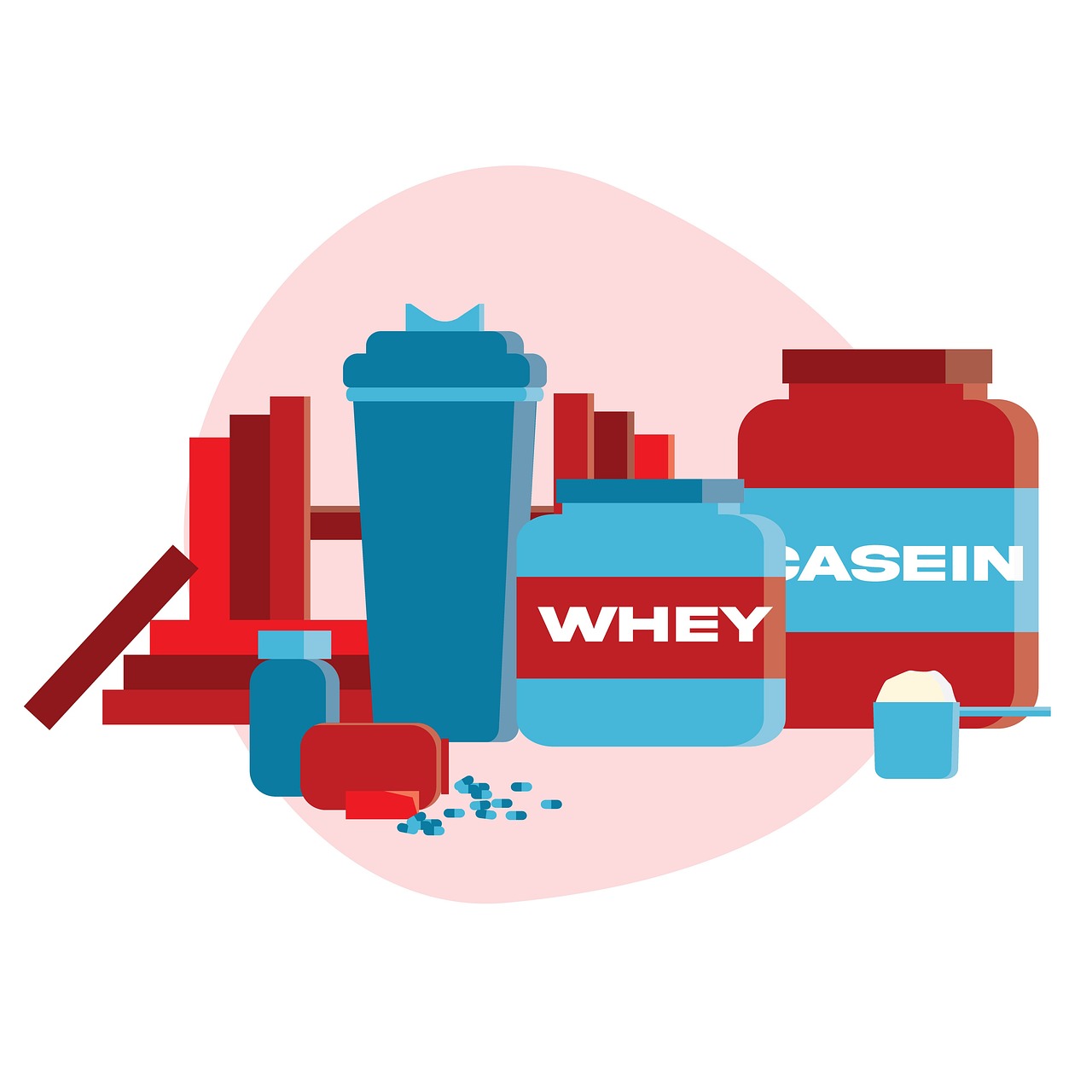
Protein supplements have gained popularity among athletes for aiding recovery post-exercise. They provide a convenient option for achieving protein goals. Common types of protein supplements include whey, casein, soy, and pea protein. Each of these offers unique benefits tailored to individual dietary needs. Whey protein, known for its quick absorption, is ideal following workouts. On the other hand, casein is beneficial when used before sleep, as it provides a sustained amino acid release overnight. Furthermore, plant-based proteins, like soy or pea, cater to athletes who prefer vegan options without compromising protein quality. The effectiveness of supplements greatly relies on timing and dosage, as previously mentioned. A typical protein shake can deliver anywhere from 20 to 30 grams of high-quality protein. It is also important to pay attention to added sugars or artificial ingredients when selecting a protein supplement. Consuming whole foods should remain a priority, but supplements help bridge the gap in cases where whole food options are insufficient. For athletes, integrating protein supplements into their recovery routine can streamline their recovery process and support their overall training goals.
Incorporating protein into a pre- and post-workout meal can maximize its effectiveness in promoting muscle recovery. A balanced meal containing carbohydrates and protein before exercising fuels the body, allowing for better performance. The right pre-workout meal should be consumed about 1-3 hours prior, depending on individual preferences. This meal can include options like oatmeal with protein powder, a smoothie with fruits and yogurt, or a chicken salad. Consuming protein after exercise replenishes muscle protein stores, combating fatigue and soreness. A good post-workout meal might be a protein smoothie, chicken with sweet potatoes, or a quinoa and black bean bowl. The objective is to create a balance that supports energy needs and muscle recovery. Tracking macronutrient intake can help ensure that protein intake aligns with overall exercise goals. Athletes need to experiment with timing and food combinations to determine what works best for their body, ultimately optimizing their recovery and subsequent workouts. Adjusting protein meals based on training intensity and duration can also yield even better recovery outcomes, enabling athletes to reach their potential.
Conclusion: Sustaining Muscle Health
In conclusion, protein intake plays a pivotal role in muscle recovery and overall athletic performance. Athletes need to prioritize their protein consumption, focusing on timing, quality, and variety. Ensuring an adequate intake of high-quality protein sources enhances muscle repair and growth, leading to quicker recoveries. By understanding and implementing protein strategies effectively, athletes can prevent injuries, reduce muscle soreness, and improve readiness for future training. Balancing protein with carbohydrates post-exercise further enhances recovery. Hydration should also be considered alongside protein intake to provide comprehensive recovery support. Consequently, recognizing the significance of both protein and hydration creates a solid foundation for muscle health. Additionally, incorporating protein supplements when needed can offer convenience and efficiency in reaching nutritional goals. As athletes explore different sources and timings of protein intake, they can determine the optimal approach that suits their training needs. Individual strategies may vary, but the ultimate goal remains the same—to enhance recovery and performance. By prioritizing nutrition and well-rounded recovery approaches, athletes can ensure sustained health, enabling them to pursue their athletic endeavors with vigor and resilience.