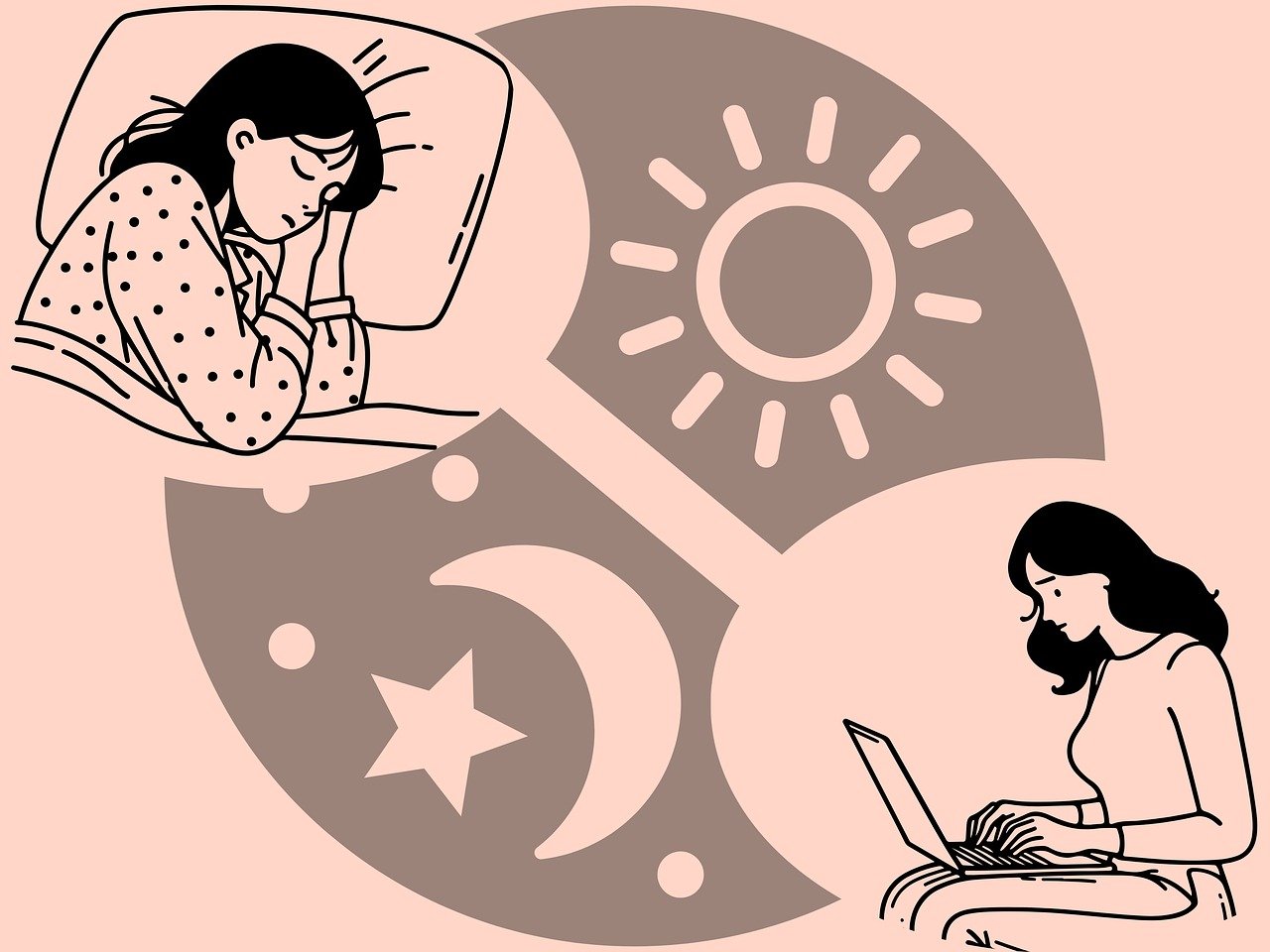

Understanding Sleep Cycles to Combat Exercise-Induced Fatigue
Sleep is crucial for recovery from exercise, impacting overall performance and well-being. Athletes often experience fatigue, which can significantly hinder progress if not properly addressed. Understanding sleep cycles is essential in alleviating this fatigue and enhancing performance. Sleep consists of several stages, including REM (Rapid Eye Movement) and non-REM sleep. The sleep cycle typically lasts about 90 minutes and repeats throughout the night. During these cycles, the body undergoes vital processes that help recover from physical exertion. Each stage plays a unique role in the recovery process, promoting muscle repair and mental rejuvenation. For instance, deep sleep allows for bodily repair, while REM sleep supports memory consolidation and emotional processing. Prioritizing sleep duration and quality can help athletes optimize these cycles. The National Sleep Foundation recommends that most adults aim for 7-9 hours of sleep per night. However, athletes may require even more rest to recover effectively from training and competition. By understanding and improving sleep hygiene, athletes can harness the full potential of their sleep cycles, combating exercise-induced fatigue more efficiently.
The Stages of Sleep
To comprehend the significance of sleep cycles, athletes should familiarize themselves with the various sleep stages. There are two primary types of sleep: REM and non-REM. Non-REM sleep is divided into three stages characterized by progressively deeper sleep. The first stage, N1, is a light sleep phase, where the body transitions from wakefulness to sleep. In the second stage, N2, the heart rate slows down, and body temperature decreases, for preparation for deeper sleep. The final stage of non-REM is N3, also known as deep sleep. This stage is fundamental for physical recovery, as it facilitates tissue repair and growth. On the other hand, REM sleep is crucial for cognitive functions like memory and mood regulation. During REM, the brain is active, processing information gathered during the day. The body also experiences temporary paralysis, preventing movement and acting out dreams. Understanding these stages allows for targeted strategies to improve sleep quality, which can result in reduced fatigue and enhanced athletic performance. Focusing on getting sufficient deep and REM sleep can significantly impact recovery.
Exercise induces various physical stresses on the body, which can result in fatigue. Adequate sleep is an effective remedy to counteract these effects. Notably, the depth and quality of sleep significantly influence recovery outcomes. Disruptions in sleep patterns can lead to inadequate time spent in REM or deep sleep stages, hindering recovery processes. This is where understanding personal sleep cycles becomes vital for optimizing recovery. Various factors affect an individual’s sleep quality, including stress levels, environmental conditions, and lifestyle choices. Athletes should also consider their pre-sleep routines to foster a conducive environment for better sleep. For instance, practicing relaxation techniques, such as meditation or controlled breathing, can promote deeper sleep. Limiting screen time before bed is another common recommendation, as blue light can disrupt melatonin production and interfere with the natural sleep-wake cycle. Moreover, establishing a consistent sleep schedule reinforces the body’s natural circadian rhythms, making it easier to fall asleep and wake up feeling refreshed. These practices can enhance the duration and richness of sleep, ensuring that athletes feel better and are more ready to tackle their training.
Identifying Sleep Disorders
Despite the best practices, some athletes may struggle with sleep disorders impacting recovery. Conditions such as insomnia, sleep apnea, and restless leg syndrome can significantly reduce sleep quality. Insomnia, characterized by difficulty falling or staying asleep, can lead to chronic fatigue, impairing athletic performance. Sleep apnea involves repeated breathing interruptions during sleep, which can lead to fragmented rest and excessive daytime sleepiness. As a result, awareness and identification of such disorders are crucial for athletes. Consulting a healthcare professional can provide insight into specific symptoms and recommended interventions. For instance, sleep studies may be necessary for diagnosing sleep apnea. Cognitive behavioral therapy and other interventions can help manage insomnia. Additionally, lifestyle changes, such as weight management and avoiding alcohol or sedatives before bed, may improve sleep quality. Awareness of these disorders highlights the need for individualized sleep strategies. By actively addressing sleep disorders, athletes can restore their sleep quality and effectively combat exercise-induced fatigue. Proper management can enhance physical and mental performance, allowing athletes to perform at their best consistently.
Nutrition also plays a role in sleep quality and recovery from fatigue. Consuming specific nutrients can promote better sleep, ultimately aiding recovery. Magnesium, for example, is known for its calming effects on the nervous system. Foods high in magnesium, such as nuts, seeds, and leafy greens, can be incorporated into the diet to improve sleep quality and relaxation. Tart cherry juice is another beneficial option, as it contains melatonin, the hormone responsible for regulating sleep. Establishing a proper eating schedule can further enhance sleep quality. Eating large meals close to bedtime can lead to discomfort and disrupted sleep. Instead, athletes should aim to consume lighter meals in the evening, allowing for proper digestion and relaxation. Staying hydrated is also vital, as dehydration can lead to fatigue and hinder sleep. However, excessive fluid intake before bed may necessitate nighttime bathroom visits, disrupting sleep. In summary, a balanced diet with appropriate timing can significantly improve the quality of sleep experienced, directly impacting recovery and assisting athletes to combat fatigue more effectively.
Impact of Exercise on Sleep
Exercise has a profound effect on sleep quality, often improving it when performed correctly. Various studies indicate that regular physical activity can help regulate sleep patterns and enhance sleep quality. Engaging in aerobic exercises, such as running or swimming, has been shown to promote deeper sleep stages. However, the timing and type of exercise are crucial factors influencing sleep quality. Exercising too close to bedtime can lead to increased heart rates and body temperatures, making it more challenging to fall asleep. Therefore, athletes should strive to complete their workouts earlier in the day, allowing ample time for the body to unwind before resting. On the other hand, moderate exercise has been linked with improvements in sleep, especially among those experiencing insomnia or other sleep disorders. An effective workout regimen not only better prepares the body for sleep but also positively impacts mood and overall wellness. Consequently, athletes who maintain a regular exercise routine may find that they can combat sleep-related issues, ultimately reducing fatigue and enhancing performance in their respective sports. Balancing exercise with proper sleep practices fosters an environment conducive to recovery and overall well-being.
Sleep hygiene is a set of techniques to foster better sleep quality and should be a priority for athletes. Establishing consistent sleep habits can improve overall restfulness, which is vital for combating exercise-induced fatigue. Creating a comfortable sleep environment is fundamental. Ensuring a dark, cool, and quiet room can promote better sleep quality. Additionally, investing in a comfortable mattress and pillow can further enhance sleep quality. Implementing a bedtime routine can send a strong signal to the body that it’s time to wind down. Activities such as reading, listening to soothing music, or engaging in light stretching can be effective. Additionally, limiting exposure to bright screens and stimulating activities before bed can help the body produce melatonin more effectively. Caffeine intake should be managed, particularly in the afternoon and evening hours, as it can impede the body’s ability to fall asleep. Emphasizing the importance of sleep hygiene can significantly impact recovery outcomes for athletes, allowing them to feel more rested and energized. These practices, combined with knowledge about sleep cycles, empower athletes to combat fatigue effectively and perform at their peak.
In conclusion, understanding sleep cycles is critical for athletes seeking to combat exercise-induced fatigue. By familiarizing themselves with the stages of sleep, they can implement strategies to enhance sleep quality and duration. Recognizing the importance of both REM and non-REM sleep can lead to informed choices regarding sleep hygiene, nutrition, and exercise routines. Identifying and addressing potential sleep disorders also plays a significant role in recovery and performance. By proactively managing their sleep, athletes can improve both physical and mental capabilities, ultimately enhancing competitiveness. Additionally, incorporating nutrition strategies that promote sleep can help athletes recover efficiently. Lastly, understanding the relationship between exercise and sleep is essential; exercising correctly can benefit sleep, while too much activity or poorly timed workouts can hinder it. Balancing all these components fosters a holistic approach to well-being in athletes. Ultimately, prioritizing sleep allows for optimal recovery and sustained performance levels, ensuring athletes can continue to thrive in their respective sports. By committing to these principles and remaining vigilant about their sleep cycles, athletes can effectively combat fatigue and reach new heights in their athletic endeavors.