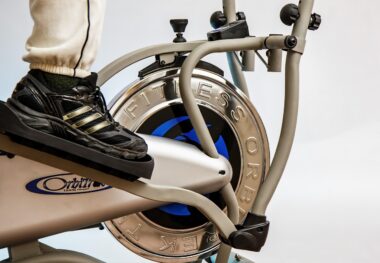
Boosting Heart Health: Cardiovascular Workouts to Control Cholesterol
Maintaining healthy cholesterol levels is essential for overall heart health. One effective approach involves incorporating cardiovascular workouts into your routine. Cardiovascular exercise, often referred to as aerobic exercise, includes activities like running, cycling, swimming, and walking. These exercises elevate your heart rate, improve circulation, and enhance lung capacity. Moreover, regular aerobic workouts can help manage cholesterol levels by increasing high-density lipoprotein (HDL) cholesterol, which is known as the ”good” cholesterol. As you become more active, it is crucial to maintain a balanced diet that complements your fitness regimen. Proper nutrition can further assist in lowering low-density lipoprotein (LDL) cholesterol, or ”bad” cholesterol. So, consider pairing your workouts with a heart-healthy diet rich in whole grains, fruits, vegetables, and healthy fats. You may also consult with a health professional to tailor a program that suits your specific needs. By engaging in consistent cardiovascular activities and adopting a healthier eating plan, you can significantly reduce cholesterol levels while simultaneously enhancing your heart health.
Several forms of cardiovascular exercises can be effective in managing cholesterol levels. These activities not only support your cardiovascular system but also contribute to weight management and overall well-being. Some popular options include walking, jogging, swimming, and cycling. Each of these exercises has unique benefits. For instance, brisk walking is accessible and can be done almost anywhere. Similarly, running provides a high-intensity workout that burns a lot of calories quickly. Swimming is low-impact and helps build muscle while being gentle on the joints, making it suitable for all fitness levels. Cycling, whether stationary or outdoor, strengthens the legs and can be a fun, social activity. Strength training programs can also accompany these aerobic exercises, providing a holistic approach that addresses various aspects of fitness. Incorporating different activities keeps the routine engaging and prevents boredom. Ultimately, the best workout is one that you enjoy. Aim for at least 150 minutes of moderate-intensity cardio per week, along with muscle-strengthening activities for balanced health. Finding a workout buddy can help motivate and keep your progress on track.
Nutrition and Its Role
Nutrition plays a fundamental role in controlling cholesterol levels alongside regular cardiovascular workouts. A diet rich in fruits, vegetables, whole grains, and healthy fats can significantly impact your cholesterol profile. Foods high in soluble fiber, such as oats, beans, and apples, can help lower LDL cholesterol. Additionally, incorporating fatty fish, like salmon or mackerel, provides omega-3 fatty acids that promote heart health. These nutrients not only assist in controlling cholesterol but may also reduce blood pressure and prevent heart disease. It is equally vital to limit saturated and trans fats found in processed and fried foods. Reading nutrition labels can aid in making healthier choices and avoiding harmful ingredients that may raise cholesterol levels. Furthermore, be cautious about sugar consumption, as it can contribute to weight gain, which negatively affects cholesterol levels. Staying hydrated throughout your workouts and daily activities is another vital component of a healthy lifestyle. Ultimately, combining nutrition with cardiovascular fitness creates a powerful synergy that enhances heart health and effectively manages cholesterol.
Establishing a regular workout routine may take time and persistence, but it’s essential for long-term success in managing cholesterol levels. Start slowly and gradually increase the intensity and duration of your cardiovascular workouts. Consider scheduling exercise sessions into your week, creating a sense of commitment and routine. Tracking your progress with a journal or app can also provide motivation and insight into your fitness journey. Celebrate small victories, whether increasing your workout duration, consuming more healthy meals, or even feeling more energetic throughout the day. Don’t hesitate to experiment with various activities until you find what you truly enjoy. Participating in group classes or community sports can make workouts more enjoyable and foster social connections. Listening to your body is crucial; rest days are just as important as active days to allow muscle recovery and to prevent injuries. You might also consider hiring a qualified trainer to design a personalized plan suited to your health goals. Engaging in cardiovascular exercise while being mindful of nutrition will lead you towards successful cholesterol management.
The Importance of Consistency
Consistency is vital when it comes to managing cholesterol through cardiovascular workouts. While any level of activity is beneficial, the key to achieving lasting results lies in regular engagement. When exercises become a routine part of your lifestyle, your body begins to adapt, making it easier for you to maintain and improve your fitness levels. Commit to setting realistic yet challenging goals for yourself and break them into smaller, manageable milestones. For example, you might aim to check off a certain number of workouts each week or gradually increase your jogging distance. Establishing such goals can help create a sense of structure to your fitness journey. Additionally, finding a workout partner can keep you accountable, making it less likely you will skip sessions. Aim to engage in cardiovascular activities at least five days a week, mixing up your routine to include intervals, steady-state efforts, and recreational activities. Keeping things fresh not only keeps your motivation high but also helps develop different muscle groups while addressing cholesterol. As barriers arise, such as time constraints or monotony, developing a habit will help guide you towards achieving your long-term health goals.
Incorporating variety into your cardiovascular workouts can also enhance enjoyment and longevity in your fitness journey. Besides traditional exercises, consider exploring different sports, such as soccer, basketball, or dance classes. Group activities can create a fun social atmosphere while effectively improving cardiovascular health. Interval training, which alternates between high-intensity bursts and low-intensity recovery periods, has been proven to be a fantastic way to improve aerobic capacity and metabolic health while managing cholesterol effectively. You may also want to consider outdoor activities like hiking or climbing, which offer an adventurous way to stay fit while also enjoying nature. Fitness apps and online classes provide alternatives for completing workouts from home, ensuring flexibility in your routine. Adequate rest and recovery must also be part of your approach to avoid burnout. Make sure to listen to your body and adjust your plans as necessary. Exercise-induced endorphins can boost your mood, reduce stress levels, and enhance overall quality of life. All these elements combined contribute towards a balanced lifestyle that can significantly improve your heart health over time.
Consulting a Professional
Before embarking on a new exercise regimen, especially if you have pre-existing health conditions, it’s wise to consult a healthcare professional. They can provide tailored guidance suited to your individual health needs, ensuring that your workouts are both safe and effective. A qualified fitness trainer can design a personalized fitness plan that takes your current fitness level into account while also pushing you to achieve your targets. Monitoring your progress with regular check-ups may be beneficial, especially regarding your cholesterol levels. Blood tests every few months can help measure your improvements and adjust your plan accordingly. Keep open communication with your healthcare provider about your exercise and dietary habits. They may offer insights into additional changes to enhance your heart health. If you have specific fitness goals, don’t hesitate to share these with your trainer or nutritionist. Together, you can strategize for success and establish a well-rounded approach, balancing both physical activity and nutrition. Awareness and mindfulness in these areas will empower you to take control of your heart health and manage your cholesterol effectively.
In summary, managing cholesterol through cardiovascular workouts requires a multifaceted approach. Regular aerobic activity, combined with a balanced diet, can positively impact cholesterol levels and overall heart health. It’s crucial to find an exercise routine that you enjoy, allowing you to commit long-term. Consistency is key; aim for plenty of variety in your workouts while ensuring that rest days are included in your plans. Nutrition must not be overlooked, as the foods you consume significantly influence your cholesterol profile and overall wellness. Make informed choices to include more whole foods while minimizing processed options that contribute to unhealthy cholesterol levels. Regular consultations with healthcare professionals can help maintain a well-structured program that fits your lifestyle. By aiming for realistic goals and keeping track of your progress, you can develop a sustainable approach that embraces both fitness and nourishment. Ultimately, prioritizing heart health through active living will yield substantial benefits, resulting in improved cholesterol levels, greater vitality, and enhanced quality of life. Take the first step today towards a healthier heart and a more active lifestyle!