
How to Recover After an Intense Underwater Hockey Game
Recovering from an intense underwater hockey game is essential to maintain peak performance and prevent injuries. After a tough match, your body needs time to rejuvenate. Proper recovery includes hydration, nutrition, and rest. Start by rehydrating your body with water or an electrolyte drink after the game. This helps to replace fluids lost during the intense physical exertion. Furthermore, consider your nutritional intake. Consuming a balanced meal with protein, carbohydrates, and healthy fats is crucial for muscle repair and energy replenishment. Foods such as lean meats, pasta, and vegetables should be emphasized. Additionally, post-game snacks like protein bars or shakes can aid in recovery. Don’t forget to allow your muscles time to relax. Gentle stretching can help prevent stiffness, improving your overall flexibility. Furthermore, listen to your body; if you’re feeling particularly sore, take a day or two off from striking the water hard. Finally, consider incorporating light exercises like walking or slow swimming to keep your body active while supporting recovery. All of these strategies together can help you feel revitalized and ready for your next game.
Apart from nutrition and hydration, sleep plays a vital role in recovery. Quality sleep is one of the most effective ways to heal your body after strenuous activities like underwater hockey. Aim for 7-9 hours of sleep each night, as this gives your muscles time to repair and grows stronger. Creating a restful environment is essential, so ensure that your sleeping area is quiet, dark, and at a comfortable temperature. Additionally, establishing a pre-sleep routine can significantly improve sleep quality. Consider relaxing activities such as reading or meditating to wind down before bed. If you find it hard to fall asleep, try limiting screen time before bedtime. This helps your body produce melatonin efficiently. In some cases, naps can be beneficial as well. Short naps of 20-30 minutes may help reduce fatigue and improve alertness without leading to grogginess. Moreover, consider avoiding caffeine in the afternoon and evening. It can disrupt your sleep pattern. Encouraging your body to recover through proper sleep will ensure you perform at your best in future underwater hockey games.
Cross-training is another effective recovery method that combines strength training and low-impact activities. Engaging in different forms of exercise allows you to recover while still staying active. Activities like yoga, swimming, or cycling can improve your endurance and flexibility without putting extra strain on your body. For instance, yoga enhances flexibility and reduces muscle tension, while swimming provides an excellent cardiovascular workout without the harsh impact on your joints. Strength training in moderation can enhance muscle strength, benefiting your underwater hockey performance as well. Incorporate balance and core exercises to stabilize your body during gameplay. Resistance training can be done two to three times a week, targeting major muscle groups. Always consult with a coach or fitness professional to design a program tailored to your needs. Monitoring how your body feels during these activities will help tailor your recovery routine. The goal is to enhance your skills while preventing injuries. Remember that balanced training promotes long-term improvements in your performance and helps manage fatigue during demanding underwater hockey seasons.
Stretching and Mobility
In addition to cross-training, focusing on mobility and stretching helps facilitate recovery after an intense underwater hockey game. Incorporate dynamic stretches into your warm-up and cool-down routines. After a game, utilize static stretching techniques to increase flexibility and relax tight muscles. Spend at least 15-30 minutes stretching different muscle groups, especially your shoulders, back, and legs. Use appropriate stretches that target key areas. For instance, try the standing quad stretch, hamstring stretch, and overhead arm stretch to relieve tension. Foam rolling can also be beneficial as it loosens tight muscles and alleviates soreness. Invest in a foam roller to incorporate it into your post-game routine. Start at your calves and work your way up to your back, rolling slowly over each area. Besides reducing muscle soreness, foam rolling improves blood flow, promoting recovery. Keep in mind that regular stretching contributes to overall athletic performance by preventing injuries. Including flexibility training in your weekly routine can significantly enhance your underwater hockey skills and help ensure that you remain competitive throughout the season.
Hydrotherapy is a helpful recovery method specifically for underwater hockey players. Utilizing water’s natural buoyancy and resistance can aid in muscle recovery and reduce joint stress. Creating a home hydrotherapy routine can be beneficial. Use either a pool or hot tub to perform low-impact exercises. Alternating between cold and warm water immersion can stimulate circulation and promote healing. Cold water aids in reducing inflammation while warm water helps to relax muscles. A simple practice would involve soaking in cold water for a few minutes followed by warm water. Additionally, consider incorporating aquatic exercises, such as swimming or jogging in the water, for a full-body workout without excessive strain. These exercises improve cardiovascular health while allowing for recovery. Don’t forget to focus on breathing techniques, as they play a significant role in relaxation and recovery. Controlled breathing promotes oxygen flow throughout the body, aiding muscle repair. Furthermore, remember to stay consistent with your hydrotherapy routine. Combining these techniques enables you to recover efficiently, ensuring you return to the pool in optimal shape for your next underwater hockey game.
Listening to Your Body
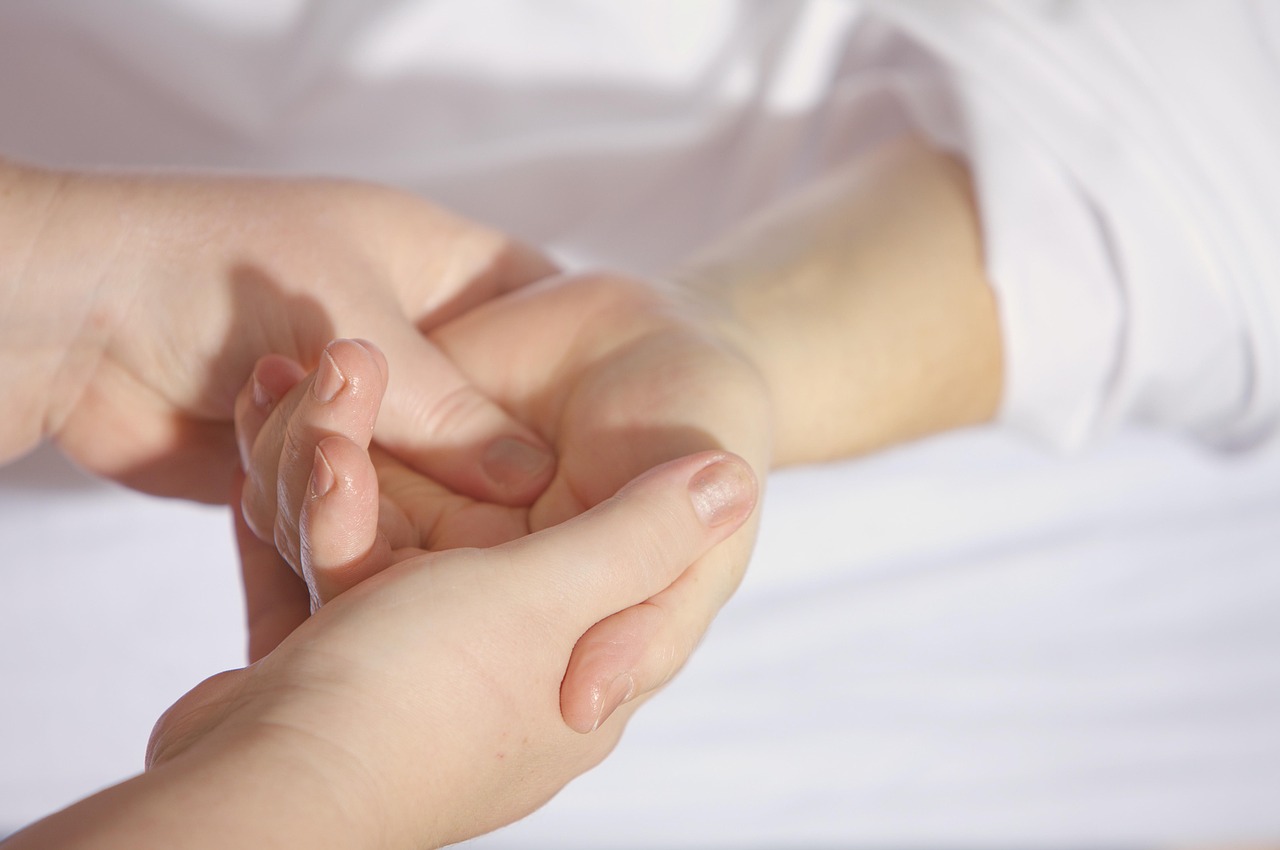
Understanding the importance of listening to your body is critical for effective recovery after underwater hockey games. Individual responses to exercise vary, so awareness is essential. If you experience pain or unusual fatigue, take those signals seriously, and adjust your training regimen accordingly. Rest is often valuable when feeling fatigued, as it allows your body to heal. If muscle soreness persists, consider cross-training with gentler activities instead of diving back into high-intensity workouts. Be mindful of your limits and avoid overtraining. Overexertion can lead to injuries that sideline you for long periods, making proper rest and recovery even more critical. Sometimes, consulting a sports physician can help address any underlying issues and provide tailored advice. Utilize recovery techniques like ice baths or compression to enhance healing. Engage in self-care practices, such as massages or foam rolling, to help manage soreness. Establishing a balance between work and recovery can enhance your performance. As you recover effectively, you’ll be prepared for your next competition, feeling rejuvenated and ready to excel in underwater hockey.
Lastly, consider utilizing technology to support your recovery regimen. Tracking your performance and recovery helps you identify patterns and areas for improvement. Many apps and fitness trackers monitor heart rate variability, sleep quality, and training loads. These insights enable you to make adjustments and ensure that your recovery is on track. Furthermore, using a journal to document your feelings after games and workouts is advantageous. By logging your daily physical and emotional states, you can determine how your body responds to different training loads. Regularly reviewing this information allows you to refine your recovery techniques for even better results. Integrate recovery features into your regular training crew. These methods not only enhance well-being but are essential for optimal performance in underwater hockey. Collaborate with a coach or teammate to analyze progress and increase accountability. Sharing experiences can lead to better recovery strategies. In conclusion, taking recovery seriously is just as crucial as training hard. With the right techniques and a balanced approach, you’ll continue to improve and succeed in underwater hockey.
Summary
In summary, recovering after an intense underwater hockey game entails various strategies to rejuvenate your body and maintain performance. Focus on hydration, nutrition, sleep, and diverse training techniques like hydrotherapy and cross-training. Emphasize stretching to enhance flexibility and mobility, while remaining attuned to your body’s signals. Track your progress and recovery using technology and journaling to fine-tune your methods. Engage in self-care practices to aid your physical recovery while being mindful of your limits through consistent monitoring of fatigue and soreness. By implementing these techniques, you ensure not only immediate recovery but also create a foundation for sustained improvement in your underwater hockey game. Embrace these recovery practices to elevate your performance and stay at the top of your game throughout the season. Remember that every athlete’s body is unique, and respect for your individual recovery needs will pave the way for success in underwater hockey and overall well-being.