
Top 10 Balance Exercises to Improve Athletic Performance
Balance training is essential for enhancing athletic performance across various sports. Improved balance helps athletes maintain proper body alignment during complex movements, reduces the risk of injury, and promotes better control over their skills. To effectively enhance balance, consider incorporating a variety of exercises into your training regimen. These exercises focus on stability, strength, and coordination, ensuring comprehensive development. By consistently practicing these balance exercises, athletes can achieve significant improvements in agility, reaction time, and overall performance levels. Additionally, these exercises can be performed anywhere, making them convenient for training. Athletes of all levels can benefit from enhancing their balance, whether they are beginners or advanced practitioners. Some benefits also include increased proprioception, better kinesthetic awareness, and enhanced muscle activation patterns. With properly balanced neuromuscular activities, athletes gain better control during quick, dynamic movements. In this article, we will explore the top ten balance exercises that can effectively contribute to athletic performance improvements, providing detailed descriptions of each exercise, how to perform them correctly, and the specific benefits they offer. Let’s dive into the exercises that can truly make a difference in your performance!
Squats are among the most effective exercises that enhance balance and strength throughout the lower body. This classic movement engages multiple muscle groups, such as quadriceps, hamstrings, glutes, and calves, while also promoting core stability. To perform a squat, stand with your feet shoulder-width apart, keep your chest up, and your back straight. Lower your body by bending your knees and pushing your hips back as if you are sitting in a chair. Aim to lower down to the point where your thighs are parallel to the ground, and then push through your heels to return to the starting position. Consistently incorporating squats into your routine will not only enhance balance but also improve functional strength vital for athletic performance. You can also modify the squat by trying single-leg variations or adding weights to increase intensity. Single-leg squats, for instance, provide a great challenge to stability and proprioception, requiring control and focus. Increasing the complexity of the exercise as you progress will promote overall athleticism. This essential movement can be performed anywhere and can be adapted for individuals at any fitness level.
Single-Leg Deadlifts
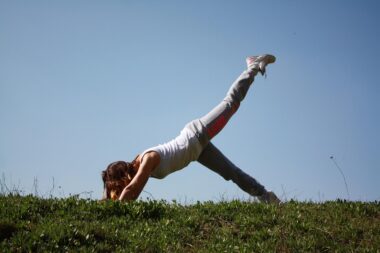
Single-leg deadlifts effectively develop balance as well as unilateral strength and coordination. This exercise primarily targets the hamstrings, glutes, and lower back while requiring a keen sense of balance throughout the movement. To perform, stand on one leg, keeping the other leg slightly off the ground. With a straight back, hinge forward at your hips while extending the lifted leg behind you. Goal is to lower your torso toward the ground while keeping your extended leg in line with your body. Once you reach the desired depth, return to the starting position by engaging your glutes and hamstrings. This incredible exercise challenges your stability and encourages proper muscular engagement. Additionally, it helps strengthen the seldom-targeted stabilizing muscles of the ankle and knee, reducing the risk of injury during various sports. A common modification is to perform the movement with weights, such as dumbbells, which will further increase the challenge. As you grow more comfortable, consider trying the exercise on unstable surfaces like balance pads or Bosu balls to take your stability training to the next level.
Balance board exercises emphasize improving stability, coordination, and proprioception through dynamic movements. A balance board requires the individual to maintain their center of gravity while performing various exercises. Training on a balance board can significantly enhance athletic performance as it mimics the unstable conditions athletes often face in real sports. To begin, stand on the balance board with both feet hip-width apart and maintain an upright posture. Start with simple exercises, such as shifting your weight side-to-side or front-to-back. Once you feel comfortable, progress to more advanced exercises, such as squats, single-leg stands, or push-ups while on the board. Incorporating these diverse balance challenges into your training routine will yield better coordination while also activating your core and stabilizer muscles. Athletes will find that using a balance board enhances their performance during dynamic sports by solidifying training adaptations for stability and strength. Moreover, this enjoyable training method can boost motivation and engagement during workout sessions. Balance boards can be used at home or in the gym, making them a versatile tool in achieving optimal athletic performance.
Walking Lunges
Walking lunges are another excellent choice for improving stability, leg strength, and overall balance. This exercise targets the quadriceps, glutes, and hamstrings while providing an added challenge by requiring movement through space. To effectively perform walking lunges, begin by standing upright with your feet together and take a step forward with one leg. Lower your hips until both knees are bent at approximately a 90-degree angle. Ensure your front knee remains above your ankle, and then push through the front heel to return to the initial standing position. Continue alternating legs, advancing forward with each lunge for a set distance or number of repetitions. Walking lunges demand core engagement to maintain stability throughout the movement. As a progression, consider adding weights such as dumbbells or kettlebells to increase intensity. The simplistic yet effective design of this exercise makes it accessible to athletes at all levels, allowing them to effectively enhance their stability and strength. In the context of sports performance, the benefits extend beyond mere balance, positively impacting overall agility and muscular endurance.
Balance reaches a new level through the inclusion of stability ball exercises in your training regimen. Using a stability ball encourages dynamic movements that facilitate muscle activation throughout the body while improving balance significantly. To begin, simply sit on the ball with your feet flat on the floor, maintaining an upright posture. This basic position itself promotes balance, as the ball’s instability forces the core muscles to engage actively. Once comfortable with static balance, progress to various exercises such as wall squats, push-ups, or planks using the ball. These variations challenge both coordination and stability while enhancing muscular strength. Additionally, many of these exercises can be performed using the stability ball for added variety and functionality. The incorporation of balance elements into stability ball exercises provides a unique approach to training. With consistent practice, athletes will find marked improvements in proprioception and overall body control. By enhancing balance and stability, athletes can prevent injuries and enhance performance across their disciplines. Incorporating stability training makes workouts engaging and versatile, promoting physical development in a comprehensive manner.
Conclusion
In summary, the integration of balance training exercises into your athletic routine will undoubtedly yield significant benefits to your overall performance. Each exercise discussed provides specific advantages, presenting opportunities for diverse movements that can challenge and develop your physical abilities. Athletes should prioritize elements like stability, coordination, and core engagement as they work on enhancing their balance. Incorporating exercises such as squats, lunges, single-leg deadlifts, and stability ball workouts will effectively fortify your balance training regimen. Variety in exercises maintains motivation and ensures continuous improvements. Furthermore, athletes can uniquely tailor their workouts to meet their individual needs by adjusting exercise difficulty or utilizing various equipment. Beyond preventing injuries, improving balance aids in developing agility and overall athletic performance in training and competition. As a result, superior balance translates into better control, quicker responses, and enhanced performance in competitive settings. Consider these vital aspects of training to support your athletic journey and foster a robust foundation in your performance capabilities. Commit to balance training, and you will witness marked improvements in your athletic achievements over time.
Implementing balance training exercises into your regular workout routine can yield substantial improvements in various aspects of athletic performance. Each suggested exercise, from basic to advanced, is designed to enhance stability, coordination, and overall control of body movements. For athletes, maintaining balance is not merely about standing still; it is about being responsive and agile in dynamic environments. Athletes engage their stabilizing muscles through these exercises, which further reduces injury risk while optimizing their performance. Whether preparing for a specific sport or aiming for general fitness, these exercises serve as a powerful tool for anyone seeking to reach their peak performance. Practicing diverse routines keeps workouts exciting and places emphasis on different muscle groups. Furthermore, you can easily modify standard exercises based on training intensity, allowing workouts to be customized to suit individual goals. By investing time in balance training, athletes will not only enhance their performance on the field but also establish strong foundational skills that translate into improved overall athleticism. The path to becoming a better athlete incorporates various training methodologies, and balance training is a topping facet that should not be overlooked.