
Improve Spine Flexibility and Mobility with These Yoga Techniques
Yoga is an excellent practice for enhancing spine flexibility and mobility. Regular yoga sessions can improve your overall posture, enhance spinal alignment, and help prevent injuries. A well-aligned spine is foundational for good health, affecting everything from headaches to digestion. By integrating specific yoga poses into your routine, you can effectively target the spine, allowing for deeper stretches and improved mobility. Techniques stressing the spine help open the torso, leading to better breathing dynamics and increased overall vitality. In this article, we will explore various yoga techniques that specifically enhance spine flexibility and mobility. These modifications can also suit individuals of any skill level. Remember, yoga encourages a mind-body connection that fosters relaxation and rejuvenation. Focus on listening to your body during each pose; avoid pushing limits too hard. Practicing with mindfulness will ensure you gain the best benefits, improving not just your physical state but also your mental well-being. As the following poses integrate into your routine, notice how your body responds, adjusting as needed. We will delve into various techniques, ensuring everyone can find a way to improve spine flexibility.
Key Poses for Spine Flexibility
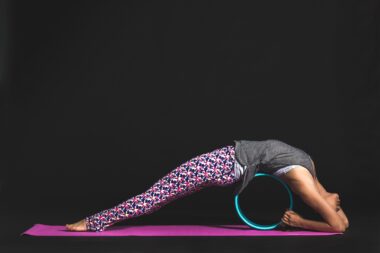
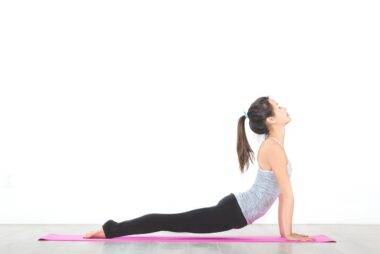
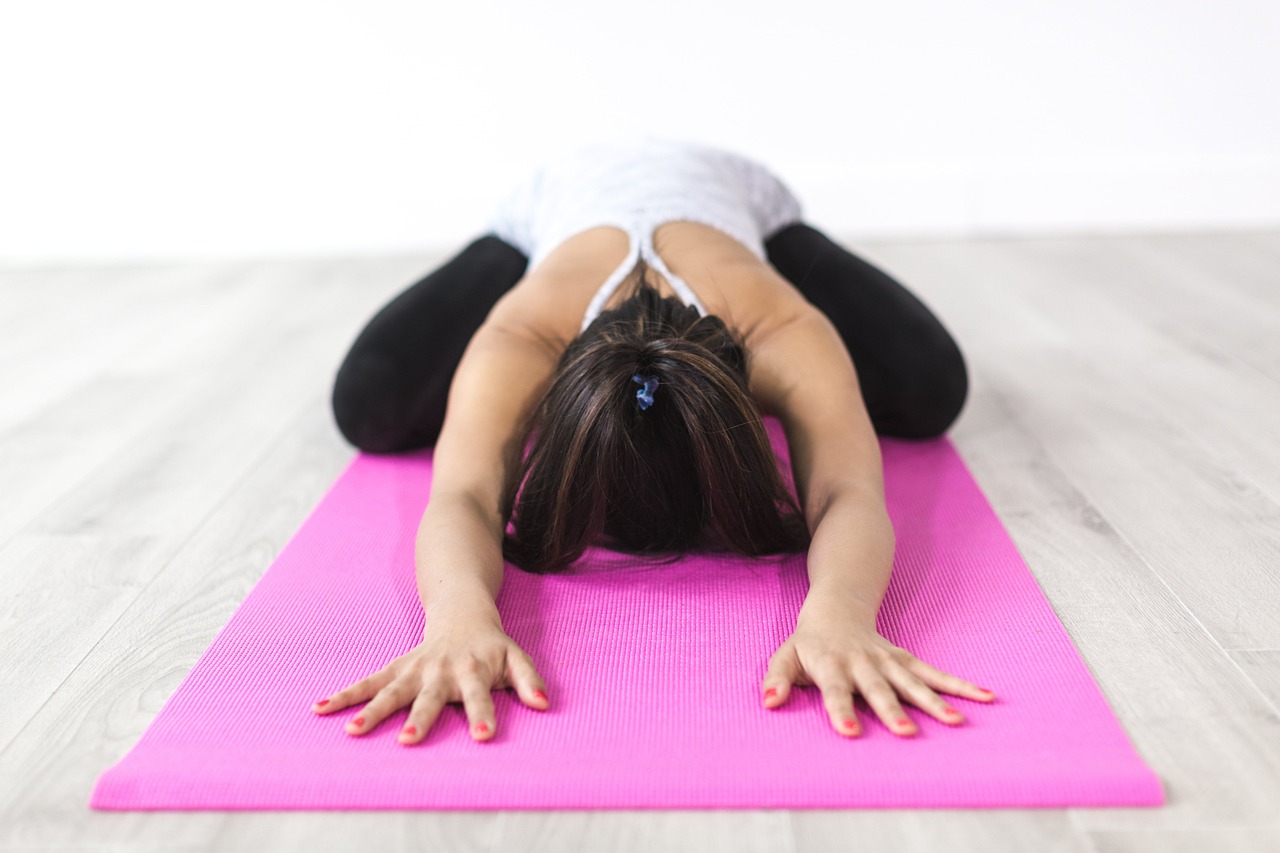
To enhance spine flexibility and mobility, specific yoga poses target different areas of the spine, allowing for comprehensive benefits. One such pose is the Cat-Cow stretch, transitioning between arching and rounding the back. This flow promotes circulation and warmth in the spine, preparing it for deeper stretches. Another beneficial pose is the Downward-Facing Dog, which elongates the spine, releasing tension while strengthening the arms and legs. Additionally, the Child’s Pose is ideal for gently stretching the spine, offering a restorative element. Among the standing poses, the Forward Bend engages the hamstrings while stretching the entire spine, boosting overall mobility. The Seated Forward Bend offers an intense stretch for those ready to deepen their practice. Poses that twist such as the Seated Spinal Twist further improve spinal flexibility by promoting rotation and mobility. Finally, the Cobra pose encourages extension of the spine, contributing to a balanced stretch of the back muscles. Integrating these poses into your practice ensures that you thoroughly engage the entire length of the spine.
When practicing yoga, it is essential to maintain proper alignment to maximize the benefits of each pose. Begin each session by warming up with some gentle stretches to prepare your body. Some foundational principles of alignment include engaging the core, grounding down through your feet, and lengthening the spine. During each pose, focus on the alignment of your head, shoulders, and pelvis to maintain a straight line, minimizing strain on the spine. As you flow through poses, remember to move mindfully, synchronizing your breath with your movements. This mindful approach allows for deeper engagement of the muscles while protecting against injuries. Use props, such as blocks or straps, for support when exploring deeper stretches. Listening to your body’s physical cues is crucial; if something feels uncomfortable or painful, adjust your position or create a gentler variation of the pose. Always prioritize quality over quantity in your practice—it’s better to hold a pose correctly for a shorter duration than to stretch yourself beyond limits uncomfortably. The goal is to cultivate a supportive and encouraging practice, fostering growth in mobility and overall flexibility.
Breathing Techniques
A crucial aspect of yoga that complements spine flexibility and mobility is breath control. Effective breathing techniques promote relaxation and help deepen stretches, facilitating better spinal flexibility. The practice of diaphragmatic breathing, for instance, engages the full capacity of your lungs while relaxing your body. As you inhale through your nose, imagine your breath expanding your ribcage and abdomen, promoting spinal lengthening and flexibility. Pairing your breath with movements can enhance your awareness of how each pose affects your spine. As you exhale, let each tension melt away, creating space between your vertebrae and easing stiffness. The synchronization of breath and movement allows a flow that nourishes the body. Consider incorporating Pranayama techniques, focusing on breath retention or alternate nostril breathing, which can calm the nervous system, further enriching your practice. Emphasizing grounding and controlled breathing will also improve your mental focus and mindfulness as you practice. Commitment to these techniques allows for a more fulfilling yoga experience, enhancing not just physical flexibility but also a more profound mental equilibrium.
As you develop your yoga practice for spine flexibility, consistently explore new poses and techniques to enhance your experience. Consider engaging in classes or following online tutorials dedicated to spine mobility. Instructors can provide personalized guidance and offer modifications when needed. As you interact with additional resources, you’ll uncover unique poses that are less common yet equally beneficial for enhancing spinal flexibility. Engaging with a community of practitioners facilitates discussion about progress, challenges, and personal achievements that may inspire you. Some practitioners find success in recording their journey, documenting improvements and lessons learned. Observing how your spine responds to various techniques can lead to revealing insights about your unique body. Furthermore, experimenting with different yoga styles—such as Hatha, Vinyasa, or Iyengar—can expose you to diverse methodologies for deeper mobility enhancement. Keep a consistent schedule within your practice to maintain retention of flexibility gains; this consistency is key for long-term progress. Incorporating hydration and mindful nutrition will further support your practice, giving your body the fuel and recovery it needs for optimal performance.
Creating a Balanced Routine
As you embark on your journey towards improved spine flexibility, designing a balanced routine is essential for sustained progress. Aim for a mixture of flexibility, strength, endurance, and relaxation techniques to enhance overall well-being. Establishing a consistent practice—targeting various aspects of flexibility and mobility—ensures that no area of your body is neglected. Incorporate short sessions throughout your week, providing ample time for recovery, rest, and restoration. Integrate strength-building exercises into your routine; these will provide stability and support for your spine, counteracting tightness. Activities like Pilates or resistance training are excellent complements to yoga practices focused on flexibility. Regularly reassess your routine, tracking progress and determining areas in need of improvement. Additionally, incorporating leisure activities such as walking, swimming, or cycling can support your mobility journey, providing enjoyable alternatives to traditional yoga classes. Maintain a flexible mindset in your approach; adapting your schedule to accommodate various activities can aid in keeping your practice engaging. Ultimately, persistence and dedication are essential elements for achieving long-term goals in flexibility.
Engaging in yoga is more than just a means of improving flexibility; it is a path toward embracing a holistic lifestyle. As you continue to embark on this journey, recognize the importance of balance in both body and mind. Being present during your practice fosters self-awareness and a deeper connection with your inner self. Remember to acknowledge your achievements, no matter how small they may seem; any step taken toward flexibility and mobility should be celebrated. Cross-examine your mind-body connection and appreciate how your emotional and mental bodies can impact your physical performance. Practice gratitude for your body’s capabilities—understanding its limits while pushing toward improvement. As you progress, allow yourself the grace to adjust your goals, ensuring they align with what feels good for you. Whether you are new to yoga or have been practicing for years, prioritizing spine flexibility and mobility can lead to greater comfort in daily life. The pursuit of flexibility encourages resilience and promotes joy in engaging with the world around you, ensuring your body can handle various activities, preventing injuries, and enhancing overall health.