
Low-Impact Plyometric Exercises for Weight Loss and Joint Health
Plyometric training is a highly effective method for enhancing fitness and weight loss. Incorporating low-impact plyometric exercises into your routine allows you to enjoy the benefits without excessive strain on your joints. Jumping movements can promote cardiovascular health while simultaneously targeting various muscle groups. Low-impact plyometric exercises include step-ups, box squats, and lateral side steps. They engage multiple parts of your body, improving overall strength and stability. Executing these movements steadily can boost your metabolism, making it easier to shed unwanted pounds. Moreover, these exercises can elevate your heart rate to maximize calorie burn during and after workouts. Remember, correct form is crucial to avoid injuries. You can start by integrating two to three low-impact plyometric sessions per week into your regimen. This helps build endurance and strength progressively. Combine these exercises with proper nutrition for optimal results. Additionally, consider incorporating flexibility training to enhance performance and reduce injury risks. Overall, low-impact plyometric workouts can deliver significant benefits for both weight loss and joint health.
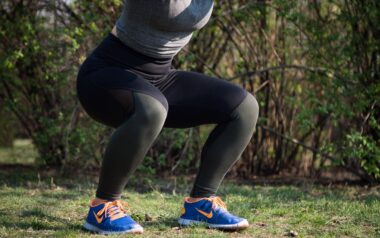
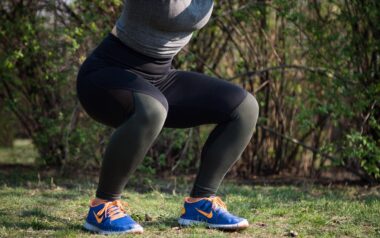
Combining any form of exercise with a healthy lifestyle provides an excellent foundation for sustainable weight management. In the case of low-impact plyometrics, consistency paired with proper nutrition can lead to effective weight loss. The beauty of these exercises is their adaptability; individuals can modify movements to suit their fitness levels. For instance, if jumping is not feasible, you could focus on a squat and raise routine instead. This variation enables you to strengthen your legs without subjecting your knees to undue stress. Low-impact plyometrics are particularly beneficial for those recovering from injuries, as they allow for gradual re-introduction to higher-impact activities. Some great options include mini trampoline workouts and swimming exercises that replicate plyometric movements with less pressure on joints. Such exercises can increase energy expenditure, enhance muscle tone, and improve cardiovascular fitness. Remember to warm up properly before engaging in any plyometric workouts to reduce the risk of injury. It is crucial to listen to your body when integrating these exercises into your routine. Always consult a healthcare provider if you have pre-existing conditions or concerns.
To maximize the benefits of low-impact plyometric training, incorporating variety into your workouts is vital. This can keep your routine interesting while continuously challenging your muscles. Here are five excellent low-impact plyometric exercises to consider for your weight-loss journey: 1. Box Step-Ups: Stand in front of a sturdy box, step up with one foot, and bring the other foot to meet it. Step back down and repeat. 2. Lateral Shuffles: Stand with feet together, quickly shuffle to one side and then back, emphasizing your hip movement and lightness on your feet. 3. Squat Jumps: Perform a squat and gently jump upwards, ideally landing softly back into the squat position. 4. Skater Jumps: Leap sideways from one foot to the other, landing gently similar to a skater’s motion. 5. Marching with High Knees: While marching in place, lift your knees high and pump your arms as if running, maintaining a steady pace. These exercises enhance coordination, stability, and strength without placing undue stress on joints. Start with ten to fifteen repetitions for each exercise, adjusting based on comfort.
Another essential element of low-impact plyometric training is recovery. Adequate rest is vital for muscle recovery and growth after performing plyometric exercises. Since these movements are high-intensity in nature, the body needs time to repair muscle fibers and replenish energy stores. Consequently, plan recovery days into your workout schedule, allowing sufficient time between your low-impact sessions. This approach can help prevent fatigue and injuries while maintaining motivation for your weight loss journey. Practices like gentle stretching or yoga can complement your recovery, aiding flexibility and overall joint health. Additionally, consider the importance of hydration and nutrition in facilitating recovery. Consuming protein-rich foods post-exercise aids muscle repair and growth. Slow-releasing carbohydrates can also restore energy levels effectively. Taking an individualized approach towards recovery will ensure your plyometric training contributes positively to your weight-loss goals. Always remember that your body signals are essential; listen to them and avoid over-exercising. A well-rounded fitness regimen, including plyometric training, will lead to sustained weight loss and better health outcomes in the long run.
Boosting Motivation and Tracking Progress
Maintaining motivation while engaging in low-impact plyometric training can prove challenging at times. To facilitate consistency, set realistic goals that reflect your unique fitness level and weight loss aspirations. This could include committing to a specific number of workouts each week or tracking improvements in performance, like increased repetitions. Use a fitness journal or mobile app to log your routines and monitor progress. Documenting daily workouts can provide motivation and pride as you notice improvements. Moreover, visualization techniques can be beneficial; imagine your successes as you strive to enhance your physical fitness. Connecting with workout communities online or in person can also promote a sense of camaraderie. These social connections often inspire increased commitment to personal fitness goals. Engaging in group exercises, including low-impact plyometrics, may reveal additional motivation through the energy of shared activities. Remember also to acknowledge minor accomplishments along the way; they culminate into major achievements. Recognizing each step fosters a positive mindset, encouraging further commitment to your weight loss journey while reaping the joint health benefits of plyometric training.
Nutrition plays a crucial role in achieving your weight-loss goals alongside your low-impact plyometric workouts. An appropriate diet should enhance energy levels and facilitate recovery. Focusing on a balance of macronutrients will help achieve optimal results. Include lean proteins, healthy fats, and whole grains in your meals, such as chicken breast, quinoa, almonds, and leafy greens. Additionally, incorporating plenty of fruits and vegetables will provide essential vitamins, minerals, and antioxidants needed for overall health. Furthermore, staying properly hydrated is crucial when engaging in physical activity. Drinking water before, during, and after workouts will help maintain hydration levels and improve performance. Consider limiting processed foods and added sugars, as they may hinder your weight-loss efforts. Instead, opt for wholesome snacks like nuts, yogurt, or fresh fruits. Meal planning can significantly impact your ability to stick to healthy choices. Prepare balanced meals ahead of time to avoid impulsive decisions on busy days. Lastly, remember that every individual is different; consider consulting a nutritionist to develop a personalized eating plan that complements your fitness routine.
In conclusion, low-impact plyometric exercises provide an innovative and effective way for individuals seeking weight loss and improved joint health. This versatile training can be enjoyed by people of all fitness levels. With proper techniques and variation in workouts, it caters to those recovering from injuries or aiming to maintain joint health over time. Start integrating low-impact plyometric exercises, focusing on consistency, recovery, and nutrition to enhance results. Set achievable goals, tracking progress, and maintaining motivation along the way for optimal results. Remember that a holistic approach encompassing exercise, nutrition, and mental well-being is essential for long-term success. An increased focus on these aspects not only addresses weight loss but also overall health improvement. As you adopt low-impact plyometric practices, consider the positive changes and benefits to joint health and weight loss. The journey towards a healthier lifestyle truly commences with small, manageable steps taken consistently. Begin incorporating low-impact plyometric workouts into your fitness regime today for remarkable transformations in fitness, health, and overall quality of life.