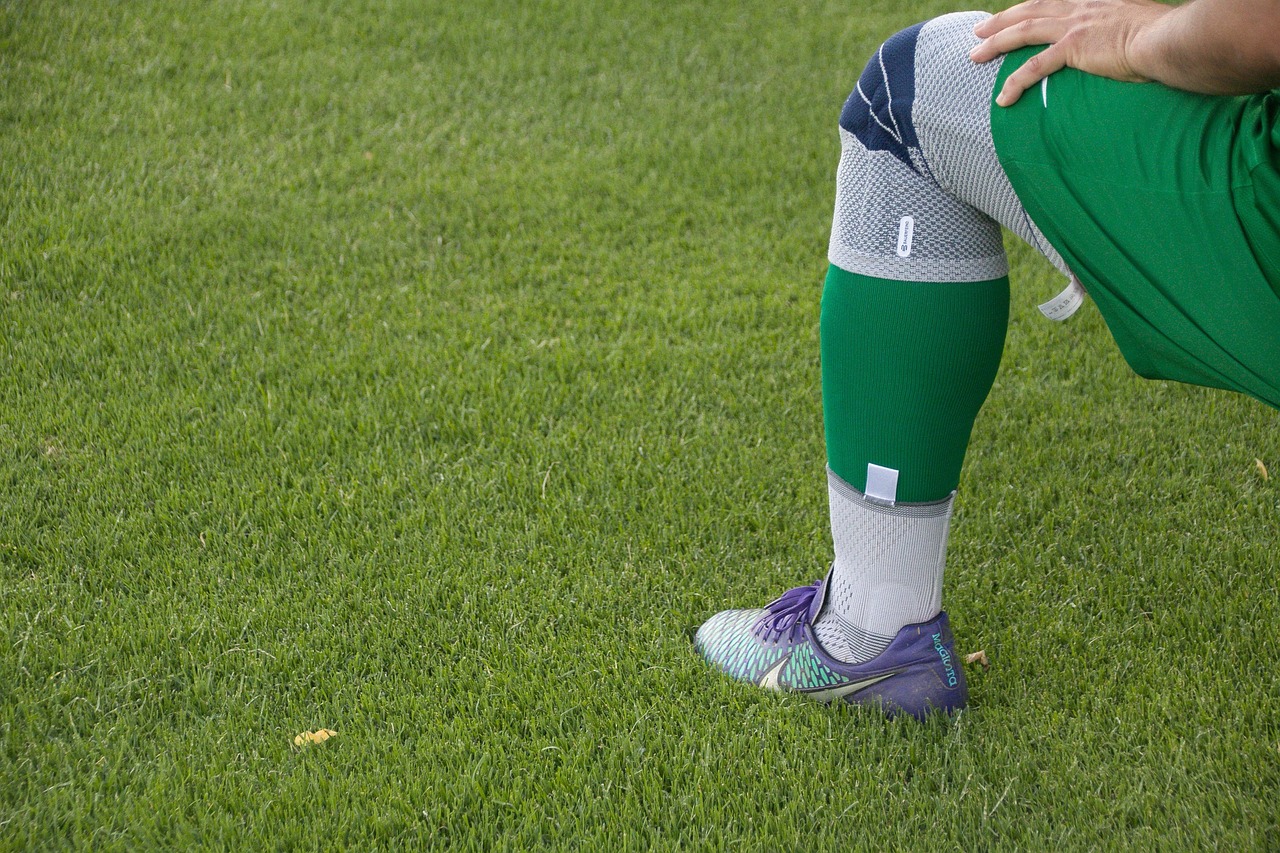

Managing Chronic Injuries with Customized Bracing Systems
Chronic injuries can be a significant obstacle in maintaining an active lifestyle. They often require tailored approaches to rehabilitation and prevention. Customized bracing systems offer a practical solution, allowing individuals to manage pain and facilitate healing effectively. These systems are specifically designed to support the anatomy of the injury site, redistributing pressure to alleviate discomfort and enhance mobility. Benefits of using customized braces include improved proprioception, increased stability, and a reduction in muscular atrophy. Optimal function can be restored through careful application and adjustment of these devices. Moreover, collaborating with healthcare professionals ensures that the chosen brace aligns with individual needs and recovery goals. The process involves assessing the injured area through comprehensive evaluation methods. This ensures the brace fits precisely, allowing full range of motion while providing necessary support. In addition, those experiencing chronic injuries can learn how to integrate braces into their rehabilitation plans more effectively. The value of a well-fitted brace cannot be overstated, especially when it comes to promoting long-term recovery and injury prevention. These tools not only assist in healing but also enhance one’s quality of life during recovery.
A comprehensive understanding of various bracing systems available for injury management is crucial to treatment success. Each type, from soft braces that support muscles and joints to rigid ones that limit mobility, caters to specific needs. For example, functional braces foster stability after ligament injuries, while rehabilitative braces aid recovery by restricting motion of the injured area. Patients should understand the differences to make informed choices about which brace best suits their individual conditions and lifestyle activities. This information can be obtained through consultations with healthcare providers or sports medicine specialists. They can provide insight into the advantages of various options and help patients navigate the selection process. Furthermore, recognizing the importance of using braces during physical activity can reduce the risk of re-injury. Combining education and practice of safe movement patterns while wearing these devices is essential for positive outcomes. Regular follow-ups to assess fit and comfort are also integral to maintaining functionality and motivation throughout recovery. It’s important not to overlook the psychological aspects involved; knowing that one is sufficiently supported can empower patients to engage more fully in their rehabilitation efforts.
Materials and Design Considerations
The choice of materials used in customized bracing systems significantly affects performance and comfort. High-quality, breathable fabrics are essential for maintaining hygiene and minimizing skin irritations that may arise from prolonged use. Additionally, lightweight yet durable materials allow for ease of movement, which is crucial in preserving functionality during rehabilitation. Many customization options enable braces to conform precisely to the contours and movements of the body. This ensures that the device does not impede natural motion while performing daily activities or sports. Moreover, some systems incorporate adjustable components to accommodate swelling or changes in physical condition during the recovery process. These features enhance user satisfaction while promoting compliance with the treatment plan. Patients should inquire about these aspects when exploring various bracing options. Enhancements such as moisture-wicking properties and anti-microbial treatments can also improve the overall user experience, contributing to better long-term results. Custom fabrication might involve advanced technologies like 3D printing, facilitating a personalized fit that can adapt based on real-time feedback. Ensuring these factors aligns with individual needs can foster motivation and commitment to recovery.
Integrating customized bracing systems into a comprehensive rehabilitation plan emphasizes the importance of collaboration between patients and healthcare providers. Regular consultations with physical therapists encourage adjustment of the brace as healing progresses, ensuring continued support and efficacy. Exercise routines can also be tailored around the patient’s specific bracing needs. Physical therapists can employ progressive strengthening exercises while monitoring patient response to the brace. This proactive approach not only helps in recovering lost strength but also prepares the body for returning to regular activities. It is essential to balance between utilizing the brace for support and encouraging independent movement. Patients should be educated about how and when to remove their braces while participating in certain activities, to strengthen their skills using proprioceptive techniques. Over-reliance on a brace can hinder the recovery process. Creating a routine with clearly defined goals can pave the way for gradual independence from the brace. Regular assessments will help track progress, identifying when patients can transition to lighter support or different strategies altogether. This balance can ultimately empower individuals in reclaiming their active lifestyles.
Long-Term Effects and Maintenance
Understanding the long-term effects of customized bracing is fundamental for maintaining overall musculoskeletal health. Over time, well-fitted braces can support joint function and prevent further injury. Conversely, if not properly managed, the incorrect use of braces can lead to dependency, muscle weakness, and joint stiffness. Regular evaluations are critical to ensure continued efficacy, making adaptations that promote flexibility and strength. Wear patterns should be monitored, and patients must be encouraged to communicate any discomfort experienced during use. This feedback remains crucial for the ongoing development of personalized solutions tailored to individual recovery journeys. Additionally, education regarding proper maintenance and care of braces enhances their lifespan. Users must be taught how to clean and store these devices appropriately, preserving hygiene and function. Patients should also receive guidance on recognizing signs of wear that may indicate a needed replacement. Seeking professional input on optimal bracing practices can improve outcomes significantly. Empowering patients with knowledge about their devices fosters a sense of control, ultimately leading to more successful rehabilitation and injury management strategies.
Customized bracing systems are not just for injury recovery; they play a significant role in injury prevention as well. Implementing proactive strategies can significantly reduce the likelihood of future injuries. For example, athletes and active individuals can benefit greatly from wearing braces during high-impact or repetitive activities. Understanding how to use braces as part of everyday training routines is essential; preventive bracing is proactive rather than reactive. It prepares the body for exertion while protecting vulnerable areas. Supplemental support can provide athletes with confidence to push their physical limits without fear of reinjury. To maximize the benefits of preventive bracing, education on appropriate duration of use and timing is needed. Individuals should also be mindful of their body signals, adapting use based on comfort levels and physical demands. Additionally, engagement in conditioning programs designed to strengthen muscles around vulnerable joints can complement bracing, enhancing long-term protective effects. Collaborating with a trainer or physiotherapist who specializes in such conditions can guide optimal strategies tailored to individual sports. Ultimately, a holistic approach embracing both preventive measures and education empowers individuals to remain active with reduced risk.
Conclusion: Embracing Customized Solutions
In conclusion, customized bracing systems represent an integral component of injury management and rehabilitation. Patients experience tailored support, which aids in both recovery and the prevention of future injuries. With advancements in design and materials, these devices cater to individual anatomical needs. They not only improve comfort and mobility but also contribute positively to psychological well-being during intense rehabilitation periods. Engaging with healthcare professionals empowers patients to make informed decisions, ensuring that they receive the most relevant advice for their specific situations. Investing time in learning how to integrate these systems into daily routines, exercise plans, and recovery protocols is essential. Long-term commitment to maintenance and skill development will yield significant benefits. As healthcare evolves, so too do the methods for managing chronic injuries. Emphasizing a comprehensive approach that harnesses the power of customized bracing fosters a supportive environment for patients to thrive. By embracing these innovative solutions, individuals can reclaim an active lifestyle and mitigate the risk of reinjury. Ultimately, customized bracing paves the way for positive health outcomes, enhancing life quality during the recovery journey.
Continuous development in the realm of customized bracing systems shows promising avenues for the future of rehabilitation and injury prevention. Innovative research focuses on new materials and technologies that enhance the effectiveness of these systems. Personalized treatment will become more refined as technology such as 3D scanning and adaptive fabrics gain traction. Future bracing solutions may evolve to include smart technology, which monitors physical activity and provides real-time feedback. This capability can revolutionize how patients and practitioners approach injury management, creating dynamic rehabilitation protocols tailored to individuals. Imagining a future where braces interact with physical therapy regimes opens exciting possibilities for empowering patients. Moreover, the growing recognition of the importance of personalized healthcare emphasizes the need for ongoing patient education. Encouraging individuals to take ownership of their recovery will foster resilience and motivation. Bracing systems are only one piece of the puzzle in managing chronic injuries; a thorough understanding of the entire rehabilitation process must accompany them. The emphasis on a proactive approach involving physical therapy, strength training, flexibility workouts, and functional activities will ultimately lead to healthier, injury-free lives. The journey towards recovery and injury prevention continues to evolve, paving the way for innovative solutions aimed at improving lives.