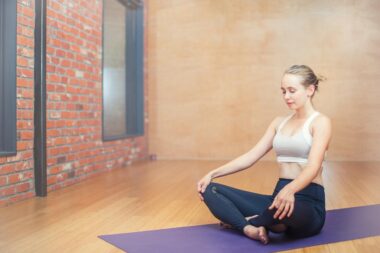

Mindfulness Strategies to Prevent Injuries During Home Exercise
Practicing mindfulness during home workouts can greatly reduce the risk of injuries. When you are present and fully engaged in your exercise routine, you become more aware of your body, its movements, and any discomfort or strain. To cultivate mindfulness, first, establish a calm environment. Consider creating a designated workout space free from distractions, where you can focus entirely on your exercises. During your workout, practice deep breathing techniques, which not only enhance your lung capacity but also help in calming your mind. Each inhalation and exhalation can sync with your movements, further allowing you to concentrate on how your body feels. Additionally, try to perform movements slowly and with intention. This allows you to pay attention to your form and alignment, significantly lowering the risk of injuries. Pay attention to any signals of discomfort and adjust your movements accordingly. Use visualization techniques to see yourself executing each exercise correctly. By being mindful and deliberate with your actions, you establish a connection between mind and body, which fosters a safer exercise experience. This practice can transform your home workouts into more enriching, injury-free sessions.
Listening to your body is a vital aspect of mindfulness while exercising at home. It is essential to develop an awareness of your physical limits to avoid pushing yourself too hard. Start by understanding that every day will feel different; factors like fatigue, stress, and even nutrition play significant roles in your performance. Incorporating sessions of gentle stretching or yoga can be beneficial. These practices not only build flexibility but also deepen your mind-body connection. As you perform these exercises, be conscious of how your muscles feel and adjust the intensity accordingly. Remember to maintain proper hydration, as dehydration can lead to a decrease in performance and an increased risk of injury. Create a routine that allows you to check-in with your body regularly. During your workouts, practice asking yourself how you feel periodically. Are your muscles tense? Are you feeling exhausted? Recognizing these signals can inform you when to scale back or modify your exercises. Incorporate a journal to track your workouts and feelings, reinforcing your ability to become mindful about your body’s needs, and thus preventing injuries over time.
Integrating Mindfulness Techniques into Your Routine
One effective method to integrate mindfulness into your home workouts is to set intentions for every session. Before you begin exercising, take a moment to reflect on your goals for that workout. You might aim to build strength, improve flexibility or just enjoy movement. Formulating these intentions allows you to approach your workout with purpose, strengthening your focus and attention. During your exercises, constantly return to your intentions, especially when your mind starts to wander. Incorporate affirmations related to your fitness journey as they can enhance positivity during your workout. This intentional approach can be empowering. Additionally, using breath-focused techniques can significantly enhance mindfulness. Consider incorporating techniques such as abdominal breathing or counting your breath. Concentrating on your inhale and exhale can help you stay grounded in the present moment. It also serves as a gentle reminder to check in with how your body feels during the workout. Mindful meditation practices before exercising can help you enter the right mental space. Overall, embracing these techniques can transform your workout routine and help you significantly reduce the injury risk while exercising at home.
Another important strategy is to incorporate restorative practices into your routine. Restorative techniques are beneficial in balancing high-intensity workouts, giving your body the opportunity to recover and rejuvenate. Consider practices like guided imagery or gentle stretching after your workouts to help cool down properly. This phase not only aids in muscle recovery but also allows time to reflect on your session while calming your mind. Utilize tools such as foam rollers or massage balls to release tension in tight areas. By incorporating restoration, you acknowledge your body’s need for rest, ensuring better overall performance in subsequent workouts. Also, using mindful walking or simple movements can serve as a great way to transition between levels of intensity during your routines. As you shift between exercises, pay attention to your physical state and adjust accordingly. Being aware of how your body feels while transitioning between activities can help maintain a safe workout flow. These practices together can create a holistic approach to home exercise. Mindfulness in combination with restorative activities prevents injuries while improving overall well-being and fitness in your home routines.
The Role of Visualization in Injury Prevention
Visualization is a powerful tool that can complement your mindfulness strategy effectively. Before you start exercising, mentally prepare yourself by visualizing the movements you are about to perform. Picture yourself executing each movement perfectly, focusing on your form, alignment, and breathing. This mental rehearsal not only boosts confidence but also helps your brain map out the movements, leading to safer exercise execution. You can enhance this visualization by incorporating sensory elements; imagine how your muscles feel with each motion and the sounds of your breath as you exert effort. When you are in tune with these sensations, you can notice when something feels off before it results in an injury. Include moments of reflection during your routine to return to your visualizations. You might even find it helpful to close your eyes for just a moment between sets to reconnect with your mental images. This practice can lead to heightened awareness during challenging exercises. Ultimately, visualization strengthens your mindfulness training and cultivates a safer exercise environment, thus reducing the risk of injury through enhanced awareness and preparation.
In addition to these techniques, the role of gratitude in your home workout routine can also aid in preventing injuries. Cultivating gratitude can shift your mindset during exercise and help you maintain focus on your abilities rather than limitations. Before you start your workout, take a moment to express gratitude for your body and its capabilities. Acknowledging the strength and resilience of your body can motivate you to take a mindful approach. Recognizing what your body can do each day reinforces positive thinking, which can influence your physical form. Plus, expressing gratitude promotes a sense of well-being and reduces anxiety and stress levels, contributing to safer workouts. As you progress in your routine, allow moments for reflection on what you appreciate about your fitness journey. You can write these feelings down as affirmations and revisit them regularly. Lastly, connecting with a community can also foster gratitude; consider joining virtual workout groups or classes where encouragement and shared experiences abound, enhancing the emotional aspect of your mindfulness practice during home exercises.
Mindful Recovery and Its Importance
Finally, remember that recovery is a crucial aspect of injury prevention that is often overlooked. Mindful recovery should become an integral part of your training routine. Prioritize yoga, meditation, or breathing exercises in your post-workout regimen to allow your body to recover effectively. By allocating time for relaxation after workouts, you create a healing environment for your muscles and mind. Incorporating restorative yoga can significantly assist in enhancing flexibility, reducing soreness, and encouraging relaxation. During your cool-down, focus on flowing through stretches and paying attention to how your body expands and contracts. This mindful practice aids in letting go of physical tension. Remember to hydrate and refuel your body after exercising to kickstart recovery. The mindful hydration philosophy also encourages you to tune in to your body’s signals regarding water needs. Set reminders to drink water for optimal hydration before, during, and after workouts. In summary, combining mindful recovery with consistent practice will foster resilience, enhancing your physical performance while minimizing the risk of injuries, thus making your home workouts more productive.
By incorporating the discussed mindfulness strategies into your home workout routine, you will cultivate a safer, enjoyable, and more effective exercise environment. Mindfulness fosters a strong connection between your body and mind, allowing you to prioritize safety while achieving your fitness goals. Start by creating intentional routines that incorporate breath work, visualization, and body awareness techniques. Establishing a dedicated workout space and remaining present during exercises will enable you to detect any discomfort early. Practicing gratitude will remind you of your strengths and positivity as you pursue fitness, while recovery practices ensure that your body is adequately prepared for the next session. Remember to listen attentively to your body, allowing yourself to evolve gradually through each workout. You have the power to revolutionize your home workouts, ensuring they are beneficial and free of unnecessary injuries. By embracing mindfulness fully during your exercise sessions, you will reap rewards that go beyond physical fitness, enhancing your overall well-being. Continue exploring strategies and adapting them to suit your unique needs, refining your approach to home workouts. With dedication and mindfulness, you can create a lasting and meaningful impact on your exercise journey.