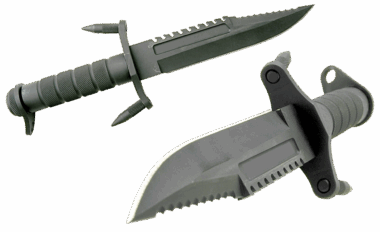

Knife Defense Sparring: Safety and Techniques
In the realm of self-defense training, knife defense sparring plays a crucial role in preparing individuals for real-world scenarios. This type of training arms practitioners with practical skills to handle knife threats effectively. It is essential to understand the dynamics of knife attacks, which can be swift and unpredictable. The focus during sparring should not only be on offensive techniques but also on critical defensive maneuvers. One key element is to maintain distance, allowing for reaction time and potential escape routes. Proper footwork enhances mobility and responsiveness. Additionally, participants should be educated on the range of techniques, including parries, disarms, and counters. Considering the inherent risks, safety gear becomes paramount; including gloves, padding, and protective eyewear ensures a safer environment. Moreover, a gradual approach to intensity helps acclimate individuals to the pressure of real confrontation. Sparring should be supervised by trained professionals to ensure adherence to safety protocols. Participants must communicate openly about comfort levels. Ultimately, consistent practice empowers individuals to handle knife threats with confidence while reducing the risk of injury during training.
Equipping oneself with the right mindset is indispensable in knife defense scenarios. Mental preparedness can significantly influence outcomes in dangerous situations. Building confidence through consistent training and sparring establishes a solid foundation. One must respect the weight of a knife and understand the gravity of a confrontation. It’s important to visualize possible attack scenarios and develop strategic responses accordingly. Visualization and mental rehearsal can enhance both performance and reaction times when faced with real threats. Furthermore, awareness is an underappreciated element; many attacks can be avoided if one is attentive to their surroundings. Training should include situational awareness drills, teaching practitioners to identify potential dangers early. Furthermore, fostering a proactive rather than reactive mindset prepares practitioners psychologically. Strategies such as verbal de-escalation should also be part of the curriculum. Taking control of an aggressive situation through communication can often defuse tensions without the need for physical confrontation. In self-defense training, the goal should always lean towards minimizing harm to all parties involved, including the aggressor. Every training session must reinforce these concepts, ensuring that they become second nature to the practitioner.
Key Techniques for Knife Defense Sparring
Several effective techniques empower individuals during knife defense sparring sessions. Fundamental to any defensive strategy is the ability to disarm the attacker successfully. One of the common techniques is known as the wrist lock, effectively neutralizing the threat. Practitioners can employ movement strategies, pivoting away from the attack point while executing a disarm. This movement not only disarms the aggressor but places them at a disadvantage. Additionally, understanding body position and angle can be incredibly beneficial when absorbing or deflecting an attack. Knee strikes and targeting vulnerable areas can create openings for escape. Practicing counter-attacks is vital, but timing and accuracy must be perfected to prevent injury during sparring. Another essential skillset involves the use of improvised weapons; training should encourage the idea that objects around can serve as effective defensive tools. Items like a pen, keys or even a bottle can provide crucial seconds needed to escape. Success in knife defense sparring is rooted in repetition and gradual progression. Practitioners should always strive for mastery of the techniques through deliberate practice paired with situational drills, enhancing their ability to respond swiftly and confidently.
Moreover, the dynamics of sparring require adaptability as scenarios can vary widely. Recognizing and reacting to different types of attacks enables practitioners to adjust their strategies accordingly. Training should expose individuals to various attack styles, from simple jabs to more aggressive slashes. Adapting techniques to changing circumstances should be a focus during each session. Emphasis on sparring with partners of varying skill and size helps diversify the experience, presenting realistic challenges. Additionally, incorporating controlled unpredictable attacks promotes the development of reflexes critical in real-life situations. Practitioners should also focus on maintaining emotional stability during hand contact; fear and anxiety can hinder decision-making, increasing risks of failure. Developing resilience through desensitization during drills ensures that individuals approach sparring and real incidents with a calm demeanor. Trust building within training partners enhances communication and effectiveness during drills. Evaluate performance regularly, set goals, and foster a culture of supportive feedback among sparring partners. Through this process, practitioners become not only competent in techniques but also confident in their ability to navigate complex knife defense situations.
Incorporating Safety Measures
Implementing safety measures in knife defense sparring is of utmost importance to minimize risks. Protective gear, including gloves, jackets, and enrichments for vulnerable body areas, should be mandatory. Individuals participating in knife defense training should be made fully aware of the equipment necessary before starting sparring sessions. Using safe knives, such as rubber or foam replicas, can also reduce risks associated with injuries. Consistent inspection of training tools ensures that they remain in good condition and free of any harm-causing elements. Sparring should be conducted in a controlled environment where all participants understand the rules and respect safety protocols. Communication is vital before and during exercises; participants must express any discomfort or concerns promptly. Establishing clear expectations about the level of intensity helps mitigate surprises during sparring sessions. If injuries occur, having first aid readily accessible is crucial for immediate response, ensuring everyone’s well-being. Practitioners should regularly participate in safety and emergency response training to adapt quickly to unforeseen incidents. Safety is a shared responsibility, and it fosters a positive training atmosphere conducive to learning and growth.
When moving into more advanced techniques, sparring drills can evolve to include multiple attackers or surprise elements. This introduces chaos that requires heightened awareness and swift decision-making. Train individual skills but also encourage participants to think critically under pressure. Such scenarios should be closely supervised, ensuring that safety is always prioritized. Practice progressively, adding layers of complexity to drills. Establish a debriefing culture post-sparring where participants can express challenges faced during exercises. This reflective practice aids conscious improvement, reinforcing key learning moments. Also, consider adding scenario training to enrich the experience. This type of training increases adaptability and forces individuals to employ learned techniques in fluid situations. Knife defense is not exclusively about techniques; it’s an ongoing journey of skill adaptation and mindset cultivation. Regular evaluation through competitions or assessments can also motivate practitioners while reinforcing the importance of progression in skill levels. Practitioners will also better appreciate the mechanics of everyday situations when they practice and reflect on various scenarios regularly. Be persistent and dedicated; consistent effort translates to effectiveness in knife defense techniques.
Conclusion: Continuity in Knife Defense Practice
The journey to mastering knife defense through sparring requires commitment and continuity. Individuals should embrace a lifelong learning approach in martial arts and self-defense training. Building foundational skills in emotional and physical response, reinforcing safety, and adapting to new techniques are essential components of being effective. Practitioners must take ownership of their training and remain proactive in seeking improvement opportunities. Engage with communities or clubs dedicated to knife defense and aptly share experiences. Many practitioners find strength within community support, fostering a collaborative endeavor in improving skills and knowledge. Consistent practice and immersion into various training environments support the acquisition of applicable skills while developing adaptability. Consider integrating techniques from different martial arts styles to deepen learning and diversify approach methodologies. Additionally, mentoring less experienced individuals provides valuable teaching opportunities while reinforcing one’s technique mastery. Always blend competition and camaraderie, seeking knowledge from seasoned professionals. Knife defense requires unyielding effort, but individuals emerge more resilient and prepared. Equip yourself mentally and physically, knowing that the practices learned through knife defense sparring can dual serve personal safety and confidence.
To conclude, the art of knife defense sparring not only cultivates skills but also fosters a sense of resilience and preparedness in individuals. The balance of technique, mindset, and safety measures creates an environment ripe for personal growth and tactical awareness. Continuous improvement is essential, where practitioners actively engage in learning and incorporate feedback. Regular sparring sessions enable refinement of techniques, revealing areas needing attention, while emphasizing safety ensures a focus on injury prevention. Instructors play a critical role in shaping participants’ experiences, guiding them through various scenarios with expertise. The foundation built through knife defense practice translates effectively into real-world situations, enhancing an individual’s confidence and capability. Knife defense is more than learning to ward off attacks; it encompasses a holistic approach to self-protection. A commitment to physical conditioning, mental preparedness, and technical mastery solidifies the path for aspiring knife defense experts. Always remember that self-defense is a dynamic and evolving journey necessitating continuous learning and adaptation. Embrace practice as a journey, where the challenges faced become stepping stones towards skill proficiency and empowerment. Equip yourself with patience and dedication, and victory lies within.