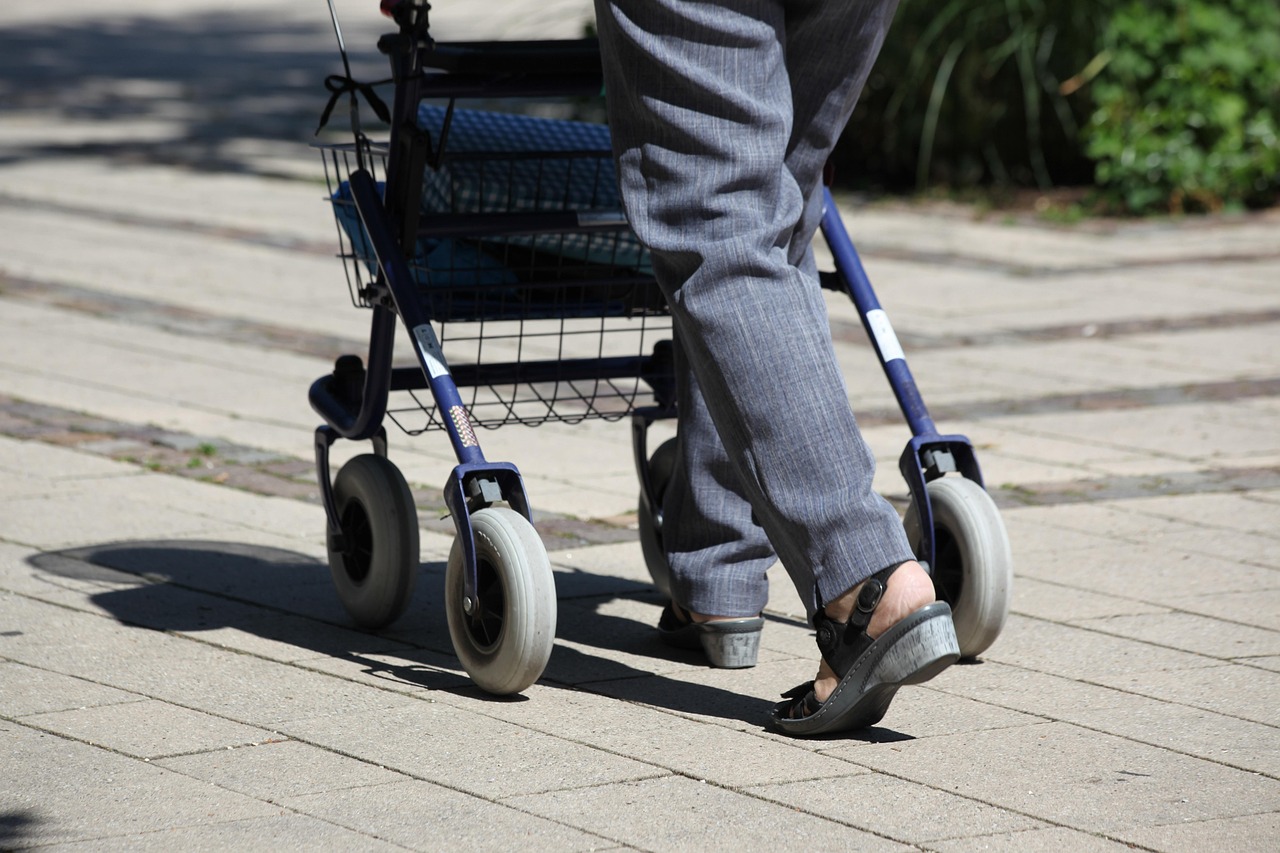

The Impact of Aging on Muscle Function and Exercise Performance
Aging significantly impacts muscle function and exercise performance, resulting in various physiological changes. As individuals age, muscle mass and strength typically decline due to a process called sarcopenia. This condition can lead to decreased mobility, balance issues, and an increased risk of falls among elderly people. Moreover, aging affects muscle fibers, with a shift from fast-twitch to slow-twitch fiber dominance. These changes can result in diminished power output during explosive movements, limiting activities such as running or jumping. Additionally, older adults often have a reduced capability to recover after exercise, making rest intervals critical in workout programs. Hormonal changes, including decreases in testosterone and growth hormone, further exacerbate these effects. Identifying these changes is crucial for developing effective exercise strategies tailored to older populations. Exercise interventions should emphasize resistance training to combat muscle loss and promote structural changes within muscle tissues. Furthermore, aerobic activities can improve cardiovascular health vital for enhancing overall performance and quality of life. Thus, understanding the impacts of aging allows for tailored exercise protocols that preserve and enhance muscle function among older adults.
Many older adults wonder how they can maintain or even improve their muscle function as they age. Incorporating regular exercise into their routine can have profound benefits on overall health. Research shows that strength training, in particular, is highly beneficial in counteracting age-related muscle deterioration. This form of exercise stimulates muscle hypertrophy, increases strength, and enhances overall muscle function. Resistance training can involve free weights, resistance bands, or body-weight exercises tailored to an individual’s capabilities. Additionally, striking a balance between strength training and aerobic activities is essential for optimal health. Aerobic exercises provide cardiovascular benefits while also aiding in weight management, which becomes increasingly important as metabolism slows with age. The combination allows for an improved quality of life and increased stamina for daily living activities. It is also important for older adults to practice flexibility and balance exercises regularly. Tai chi and yoga, for instance, can also help maintain functional mobility and prevent injuries. Therefore, adopting a comprehensive exercise plan that includes various types of workouts can foster better muscle function and enhance exercise performance in older adults.
The Role of Nutrition in Muscle Maintenance
Nutrition plays a pivotal role in preserving muscle function and exercise performance in older adults. As individuals age, the metabolic rate decreases, and nutrient absorption may decline, impacting overall health. A well-balanced diet rich in proteins is essential in counteracting muscle loss. Protein serves as the building block for muscles, and older adults often require higher protein intake to mitigate sarcopenia. Studies suggest that consuming about 1.2 to 1.6 grams of protein per kilogram of body weight can promote muscle health for older individuals. Additionally, including sufficient vitamins and minerals like vitamin D, calcium, and B vitamins is crucial to maintain muscle function and overall fitness levels. These nutrients contribute to bone health and energy metabolism, which is vital for sustained exercise performance. Furthermore, staying hydrated is equally important as dehydration can negatively impact physical performance and recovery. Incorporating nutrient-dense foods, such as lean meats, dairy, legumes, and whole grains, enhances muscle recovery and health. Ultimately, nutrition combined with regular exercise maximizes the benefits of physical activity, making it a crucial factor in maintaining muscle function as one ages.
Understanding the psychological aspect of aging and exercise is essential for ensuring motivation and adherence to workout programs among older adults. Individuals may become discouraged if they perceive declines in muscle strength and performance, leading to inactivity. Addressing these psychological barriers is crucial, as maintaining a positive attitude can significantly impact an individual’s willingness to engage in regular exercise. Community support and social interaction can provide motivation, making exercise more enjoyable. Group classes can create a sense of belonging and camaraderie among participants, helping individuals stay committed to their fitness goals. Setting realistic and achievable targets is also essential in fostering self-efficacy and encouraging continuous engagement. Celebrating small victories throughout the exercise journey can further nurture positive reinforcement. Additionally, integrating fun activities into exercise routines, such as dance or outdoor group activities, can enhance enjoyment and motivation levels. Therefore, a holistic approach that considers both the physical and psychological dimensions of aging will support older adults in maintaining active lifestyles. Promoting mental well-being alongside physical training can lead to better overall outcomes as older adults seek to preserve muscle function and enhance exercise performance.
Adapting Exercise Programs for Older Adults
Adapting exercise programs to meet the unique needs of older adults involves careful consideration of their physical capabilities, medical history, and personal preferences. It’s essential to conduct thorough assessments to tailor fitness routines effectively. Examinations, including evaluations of muscle strength, flexibility, and balance, help identify specific requirements. Individualized programs should progressively challenge older individuals without risking injury. Offering different levels of intensity within classes or sessions ensures inclusivity and safety. Importantly, exercises should emphasize functional movements relevant to daily activities, which promote independence. Examples include squats, chair raises, and step-ups that mimic actions performed in everyday life. Agility and coordination drills can also enhance stability and prevent falls. By incorporating varying modalities such as resistance training, aerobic, and flexibility exercises, older adults can achieve well-rounded benefits. Incorporating technology, such as fitness trackers or online classes, may also motivate individuals to stay engaged in their fitness routines. Furthermore, regular evaluations and adaptations of programs based on progress are pivotal in maintaining enthusiasm and accountability. Tailored and adaptable exercise programs empower older individuals to lead healthy and active lives, improving their muscle function and overall exercise performance.
Moreover, considerations for safety while exercising cannot be overstated. As the aging population engages in physical activities, understanding the potential risks becomes vital in preventing injuries. Proper warm-ups and cool-downs help prepare the body for exertion and recovery. Understanding body signals is essential, as older adults may need more time to recover from workouts. Modifications in exercise technique may also be necessary to accommodate any existing conditions or limitations. For example, using supportive equipment such as resistance bands or weights that are manageable encourages safe strength training practices. Seniors should stay informed about their health status and consult healthcare professionals before starting new exercise regimens. Furthermore, ensuring a safe exercising environment by reducing hazards in workout spaces is crucial. Sturdy support, proper flooring, and adequate lighting can prevent slips and falls. By focusing on safety, older adults can confidently engage in physical activities, knowing they minimize risks while maximizing benefits. Ultimately, emphasizing safety creates a foundation for lasting adherence to exercise programs, empowering individuals to maintain muscle function and exercise performance well into their golden years.
Conclusion: The Way Forward in Exercise and Aging
In conclusion, the impact of aging on muscle function and exercise performance is a multifaceted issue that demands attention. By understanding the physiological changes accompanying aging, individuals can develop effective strategies for maintaining muscle health. Exercise, coupled with proper nutrition and psychological support, offers a comprehensive approach to combat muscle loss and decline. It is crucial to establish tailored exercise programs that take into account the physical capabilities and preferences of older adults. This approach ensures safety, promotes motivation, and fosters adherence to healthy habits. Moreover, creating environments conducive to exercise – both socially and physically – enables older individuals to remain active participants in their fitness journey. By fostering community support, ensuring safety measures, and prioritizing holistic health, we can create robust frameworks for aging populations. Ultimately, this focus on proactive measures preserves not only muscle function but also enhances overall quality of life. Embracing lifelong fitness and well-being initiatives fosters resilience and adaptability throughout the aging process. As society implements these strategies, the future of exercise for aging individuals becomes promising, leading to healthier, more vibrant lives.
Additionally, research continues to provide valuable insights into the mechanisms behind aging and exercise, encouraging continuous adaptation of programs and methods. As new studies emerge, they highlight innovations in fitness technology, nutrition, and exercise sciences. This evolving knowledge emphasizes the importance of integrating evidence-based practices into everyday routines for older adults. Collaborative efforts between healthcare providers, fitness professionals, and researchers will further enhance the effectiveness of exercise programs tailored to senior populations. Future developments in virtual coaching and telehealth support also facilitate access to fitness guidance. Older adults will benefit from broader access to classes and support, empowering them to engage in workouts from the comfort of their homes. Continued funding for geriatric exercise programs will ensure that initiatives reach individuals who need them most, particularly in underserved communities. Overall, the future landscape of exercise and aging holds tremendous potential, as advancements in science and community initiatives converge to uplift the well-being of older adults. By fostering an inclusive culture that values physical activity, we can instill confidence and ambition in older individuals seeking to enhance their muscle function and preserve their quality of life.