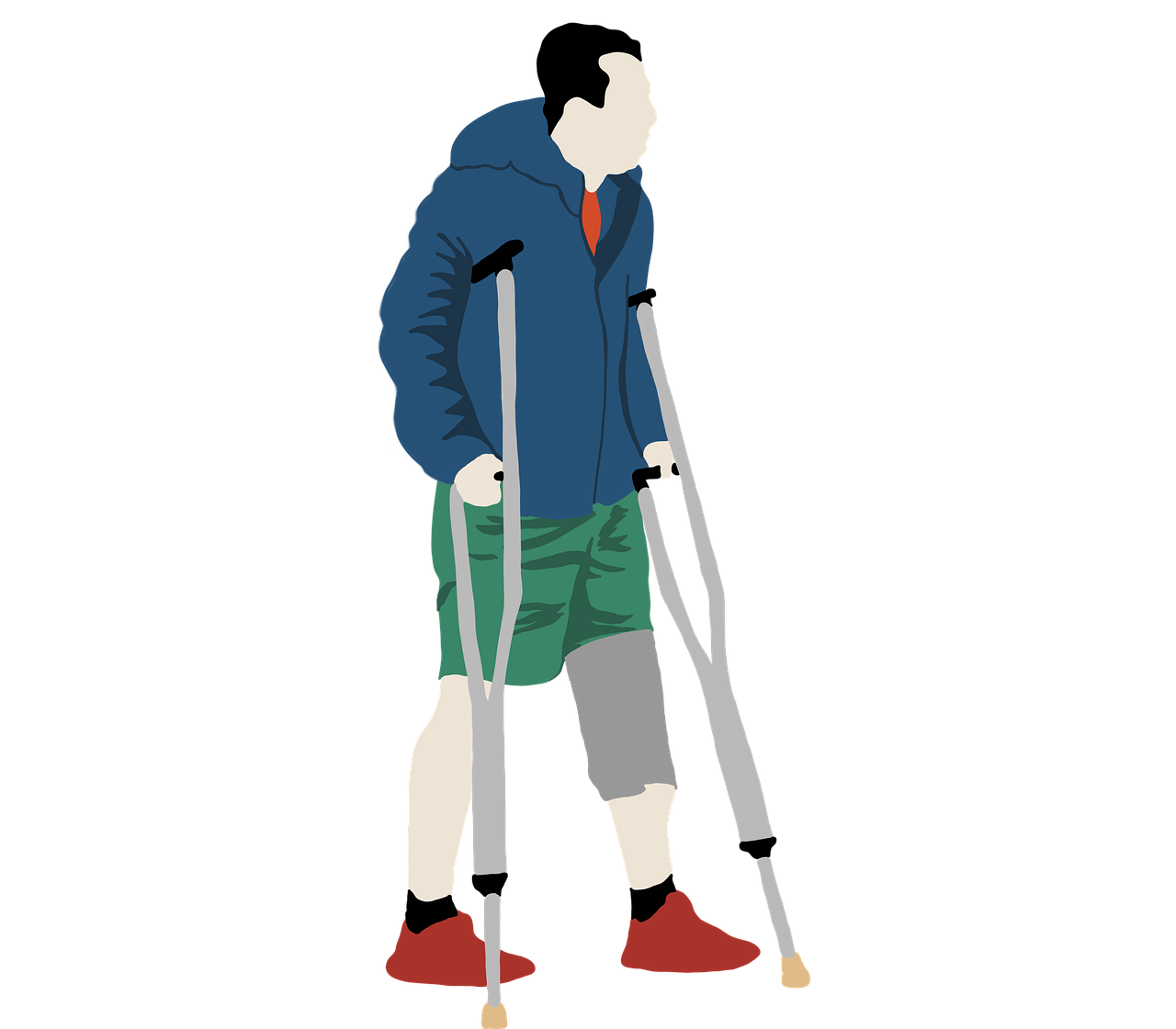

Physical Therapy for Stress Fracture Management
Stress fractures are common injuries among athletes, stemming from repetitive force or overuse. They frequently occur in bones subjected to high-impact, such as the foot, lower leg, and pelvis. Early identification of stress fractures is essential to minimize downtime and promote a swift recovery. Despite generally being minor injuries, stress fractures can hinder athletes’ performance if not managed properly. Effective management includes rest, physical therapy, and lifestyle adjustments. In physical therapy, professionals create individualized rehabilitation plans to restore strength and functionality. This may include stretching, strengthening, and balance exercises designed to regain optimal mobility. Moreover, education about cross-training and proper footwear is crucial to prevent further injury. A gradual return to athletic activities must be closely monitored. Failure to follow a comprehensive rehabilitation program could lead to chronic issues. Physical therapists also collaborate closely with healthcare providers to ensure a holistic approach to healing. In some instances, imaging techniques like X-rays or MRI tests help ascertain the severity of the fracture. This data aids in deciding an appropriate treatment strategy geared towards a full recovery.
The rehabilitation phase of stress fracture treatment is pivotal. During this time, physical therapists focus on restoring strength and flexibility to the affected area. Initially, treatments usually emphasize minimizing pain and inflammation. Ice applications, ultrasound therapy, and gentle mobilization techniques will often provide symptom relief. As pain subsides, therapists introduce more functional exercises to avoid stiffness and promote blood flow. Education on proper body mechanics and exercise techniques is essential to prevent future injuries. A gradual progression of load is implemented, ensuring the body adapts to the increased demand. Incorporating low-impact activities, such as swimming or cycling, typically benefits the recovery process. Emphasizing a balanced diet rich in calcium and vitamin D supports bone health. Furthermore, adjusting training regimens and ensuring adequate recovery time contributes to long-term success. Patients are encouraged to listen to their body signals and report any unusual pain. Consistent communication between the therapist and the athlete is vital to modify the program as necessary. Regular assessments of progress enable therapists to customize each rehabilitation plan, boosting the effectiveness of the recovery journey. Ultimately, a well-structured approach leads to successful management and enhanced athletic performance.
Importance of Early Detection and Intervention
Timely diagnosis and intervention for stress fractures can significantly impact an athlete’s recovery timeline. Athletes should be aware of the common symptoms associated with stress fractures, including localized pain, swelling, and tenderness during athletic activities. Early detection allows for the prompt implementation of treatment strategies aimed at alleviating symptoms and promoting healing. Athletes are encouraged to seek medical advice if they experience these signs persistently. In conjunction with proper diagnosis, early intervention strategies may involve rest and modifications to training schedules. The role of a sports medicine specialist is invaluable in guiding recovery approaches that balance activity levels with healing needs. Moreover, individual athlete assessments help identify risk factors specific to each person, allowing for tailored prevention strategies. Following a thorough examination, healthcare professionals develop comprehensive management plans that align with the sports context of the individual. Collaboration among coaches, trainers, and medical staff further enhances recovery effectiveness. A proactive approach to stress fracture management creates a culture of health and wellness among athletes. Implementation of injury prevention programs can lead to reduced rates of stress fractures. Investing in education focused on awareness and prevention enables athletes to thrive in their sports careers.
A critical aspect of managing stress fractures involves understanding the potential factors contributing to injury. Overtraining, improper technique, and inadequate rest frequently highlight preventable issues affecting athletes. Physical therapists work alongside athletes to analyze training regimens and educate them on how to balance intensity and recovery effectively. Strategies for improving training mechanics can be implemented to ensure safe practices. Regular monitoring of workloads helps identify any excessive demands placed on the body. Proper warm-up and cool-down techniques are emphasized to minimize injury risk during rigorous training sessions. Additionally, educating athletes about the significance of strength training can significantly reduce the likelihood of stress fractures occurring. Strengthening the muscles, tendons, and ligaments surrounding the bones provides additional support, minimizing stress during high-impact activities. Athletes should also familiarize themselves with recognizing early signs of fatigue or discomfort and learn the importance of acknowledging these sensations. Promoting a strong foundation in correct biomechanics further reduces stress on the body. Consistently reviewing and refining athletic techniques ensures that the body is functioning optimally. Collaborating with strength and conditioning coaches enhances physical therapists’ effectiveness in addressing these underlying issues to curtail injuries.
Role of Nutrition in Healing
Nutrition plays an indispensable role in the healing process of stress fractures. Consuming a balanced diet high in key nutrients facilitates optimal bone health, crucial for recovery. Calcium and vitamin D are vital for maintaining strong bones, while protein supports tissue repair and muscle recovery. Athletes should focus on incorporating various nutrient-dense foods into their meals. Dairy products, leafy greens, nuts, and fish are excellent calcium sources, while vitamin D can be derived from sun exposure and certain fortified foods. Ensuring adequate hydration is essential, as it supports overall physical performance and recovery. A well-hydrated body promotes efficient nutrient delivery to tissues, facilitating faster healing. Considering supplementation may be beneficial for some athletes, especially when dietary sources are insufficient. Calories should not be restricted during recovery, as proper energy intake is crucial for tissue repair. Overly restrictive diets can delay healing and negatively impact athletic performance. Working with sports dietitians can provide tailored nutrition plans geared towards enhancing recovery and performance. Emphasizing nutrition education and its importance encourages athletes to adopt healthier eating habits that aid in both injury prevention and optimal performance.
In conclusion, effectively managing stress fractures is vital in sports medicine, particularly through the role of physical therapy. Preventative measures, combined with early detection, offer athletes the best chance for a successful return to their sport. Customized rehabilitation programs that encompass range-of-motion, strengthening, and flexibility exercises are crucial in facilitating recovery. Collaboration among healthcare professionals, coaches, and athletes is necessary for achieving optimal outcomes. Athletes should be educated about the importance of listening to their bodies while also paying close attention to the signs of injuries. Investing in strength training, nutrition, and conditioning is essential for every athlete, promoting overall resilience against injuries. This holistic approach fosters not only quicker recovery but also enhances long-term athletic performance. Finally, fostering a culture of ongoing education helps create awareness of stress fracture prevention strategies among athletes and coaches alike. As understanding of injury management expands, the overall well-being of athletes is improved. With dedication to rehabilitation and adherence to preventive measures, stress fractures can be effectively managed. Such strategies will ultimately assist athletes in sustaining their passion for sports while ensuring health and longevity in their chosen activities.
Final Thoughts on Stress Fracture Management
When navigating the path of recovery from stress fractures, consistent effort, communication, and education among all parties involved remain paramount. Athletes should prioritize their health above all and recognize the significance of a well-rounded approach that combines physical rehabilitation, appropriate nutrition, and preventive strategies. Understanding personal strengths and limitations fosters smart training habits, contributing to long-term resilience. Regular cross-training, combined with adequate rest, cultivates a well-rounded athletic profile. Communicating openly with medical professionals regarding concerns or changes in symptoms ensures timely adjustments can be made to rehabilitation plans. Awareness of each phase of recovery further empowers athletes, fostering confidence in their healing journey. Integration of physical therapy into training protocols creates a sustainable injury prevention framework that maximizes athletic performance while reducing recurrence risks. Utilizing technology and tailored recovery applications can also aid athletes in adhering to programs set forth by their medical team. Ultimately, investing in stress fracture management presents a pathway towards enhanced performance in sports. Athletes must embrace the lessons learned during recovery to cultivate lifelong healthy habits in both their athletic endeavors and overall lifestyle.
This holistic approach fosters not only quicker recovery but also enhances long-term athletic performance. Finally, fostering a culture of ongoing education helps create awareness of stress fracture prevention strategies among athletes and coaches alike. As understanding of injury management expands, the overall well-being of athletes is improved. With dedication to rehabilitation and adherence to preventive measures, stress fractures can be effectively managed. Such strategies will ultimately assist athletes in sustaining their passion for sports while ensuring health and longevity in their chosen activities.