
How to Improve Reaction Time in Krav Maga
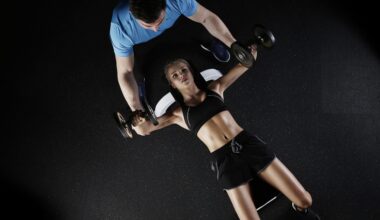
When practicing Krav Maga, enhancing your reaction time is crucial for effective self-defense. Reaction time can be improved through various exercises and drills that are specifically designed to simulate real-life scenarios. These exercises allow you to respond instinctively to threats, making it easier to defend yourself. One effective method is incorporating partner drills where one person simulates an attack, and the other responds. This not only trains your body but also helps build confidence in your abilities. Practicing techniques at various speeds, such as slow-motion to full-speed, is beneficial, too. By gradually increasing speed, you allow your muscles and nervous system to adapt accordingly. Additionally, using a punching bag or focus pads can refine your reflexes. The more you practice, the more automatic your responses become. Real-life scenarios can also be helpful; consider taking classes that offer simulations of various self-defense situations. Over time, these efforts will yield noticeable improvements in your reaction time, equipping you with better skills for defense. Committing to continuous practice is critical to becoming more adept in real situations.
Incorporating agility drills into your training regimen is an excellent way to enhance your reaction times further. Agility is the ability to move quickly and easily, which is essential in self-defense. Incorporate exercises like ladder drills or cone sprints, which help you develop foot speed and coordination. Focus on your movement patterns; use lateral and diagonal motions to improve your responsiveness in multiple directions. This will prepare your body to react with quickness and precision when necessary. Strengthening your core is vital because it aids in stabilizing your body during sudden movements. Perform planks, sit-ups, and other core-strengthening exercises regularly. Remember to keep your mind sharp as well. Cognitive training can also improve reaction times. Activities like reaction time apps or video games that require quick decision-making can sharpen your mental reflexes. Visual tracking exercises enhance your ability to perceive movement quickly, boosting your overall awareness during self-defense situations. Enlisting a training partner can help simulate intense environments, pushing you to think and react faster. Consistently incorporating these methods helps to create a comprehensive training program focused on enhancing agility and mental readiness.
Drills That Enhance Speed and Accuracy
Speed and accuracy are essential components of effective self-defense training. A combination of drills can help develop both skills within Krav Maga. Focus on strikes, grappling techniques, and defensive moves during practice. For strikes, start with slow practice to build muscle memory before increasing speed without sacrificing form. Shadow boxing can be useful to allow you to focus on mechanics without a partner. Progressively incorporate targets or pads once you feel confident, increasing the intensity over time. Grappling drills like partner rolls and escapes can enhance your understanding of distance management. These will quickly teach you how to react to an opponent’s movements. You should practice these during live sparring sessions as well. Sparring provides a dynamic environment where you can apply techniques under pressure, identifying gaps in your skill set. Pair up with someone of a different skill level; this variation will allow you to adapt and react more effectively. Incorporate situational drills where an opponent attacks unexpectedly, forcing you to adapt. Regularly practicing these elements will improve your overall combat proficiency, leading to quicker, more accurate responses in self-defense.
The mental aspect of self-defense cannot be overlooked when it comes to reaction time enhancement. Training the mind contributes significantly to your ability to react instinctively during high-pressure situations. Visualization techniques can prepare you mentally, allowing you to rehearse techniques in your mind. Picture yourself successfully defending against an attack, reinforcing your confidence and mental acuity. Furthermore, practicing mindfulness and breathing techniques can help you remain calm and collected, even during intense encounters. Staying composed allows quicker and more informed decisions when needed. Regular exposure to stressful scenarios in a controlled environment equips you to handle real-life threats better. Mental rehearsals, combined with scenario training, enhance your preparedness for unexpected attacks. Attending self-defense workshops focusing on the psychological elements of combat further enhances these skills. Understanding your stress responses and how to manage them becomes invaluable with practical application. It is essential to prioritize mental training alongside physical drills, fostering an integrated approach to improving your reaction time. Over time, this will create a well-rounded self-defense skill set, encompassing both mental and physical preparedness.
Importance of Conditioning
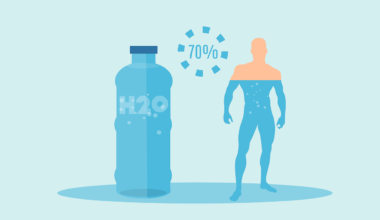
Conditioning plays a pivotal role in enhancing your reaction time in Krav Maga. To respond quickly and effectively, you must develop both strength and endurance. Engaging in a balanced fitness program that includes cardio, strength training, and flexibility exercises ensures that your body can handle the physical demands of self-defense. High-intensity interval training (HIIT) can significantly boost your cardiovascular fitness. HIIT prepares your body for rapid bursts of energy required during self-defense scenarios. Strength training, particularly compound movements, engages multiple muscle groups, boosting your overall power and responsiveness. Don’t forget about flexibility; regular stretching helps you maintain a full range of motion, preventing injuries that could hinder your reaction times. Yoga can also improve balance and focus, contributing positively to your overall performance. Ensuring optimal nutrition is another necessary aspect that shouldn’t be neglected. Proper nutrition fuels your body, enhances recovery, and improves mental clarity. Staying hydrated keeps your body functioning optimally, promoting quicker responses during intense training. By maintaining a holistic approach to conditioning, you prepare yourself to react faster and more effectively when faced with real-life self-defense situations.
Incorporating technology into your training is an innovative way to boost your reaction time in Krav Maga. Various applications and tools can help track your performance, identify areas for improvement, and provide structured workouts. Reaction training apps offer games designed to enhance your speed and accuracy while making your workout more engaging. Fitness trackers can monitor your heart rate and activity levels, helping you assess how different workouts affect your performance. Moreover, video analysis can be beneficial. Recording your sparring sessions allows you to review your techniques and timing, determining if your reactions are instinctual or need further refinement. Wearable tech, such as smart gloves or sensors, can analyze your striking speed, technique, and precision in real-time. Participating in online classes or virtual training sessions can provide new insights and techniques, allowing you to expand your skillset. This diverse approach keeps the training fresh and exciting while honing your abilities. By embracing technology, you can make data-driven decisions, enhancing your response times in various self-defense scenarios. Regularly evaluating progress through tech can provide motivation and drive improvement.
Conclusion and Final Thoughts
Ultimately, improving reaction time in Krav Maga is achievable through consistent effort and mindful practice. By incorporating various elements such as drills, agility exercises, conditioning, and mental resilience, you gradually enhance your capabilities. A comprehensive training program that addresses physical and mental aspects significantly shapes proficient self-defense skills. Visualization, mindfulness, and scenario training prepare you for real-life situations, reinforcing confidence. Moreover, employing technology serves as a robust tool to track and enhance your performance. Improving your reaction time is not an overnight process but a journey that requires dedication and persistence. Commit to continuous training, embrace improvements, and remain focused on your goals. Seek feedback from instructors and fellow practitioners to help identify areas that require attention. Enhancing your reaction time will ultimately contribute to your overall effectiveness in self-defense situations. Remember that each training session provides an opportunity to learn, grow, and sharpen your instinctual responses. As you develop these skills over time, you will become more adept in the art of Krav Maga, confidently responding to threats and effectively protecting yourself.