
Proper Gear Handling When Using a Ski Lift
When using a ski lift, proper gear handling is essential for a smooth experience. The first step is to ensure that your equipment is properly organized prior to boarding. Skis should be placed together in a manner that makes handling them easy while entering the lift line. Wearing a backpack can be awkward; therefore, consider placing it on your front side to avoid catching on other skiers or the lift itself. Furthermore, if you have poles, make sure they are secured against your gear and do not extend too far out. Before boarding, check that the area around you is clear to avoid accidents. Remember that patience is vital; take your time when walking up to the lift, and be mindful of other skiers as well. When it is your turn to board, always adhere to the lift operator’s signals. By preparing your gear efficiently, you’ll help maintain safety and enjoyment for all skiers. Reference added safety rules and lift instructions will also contribute positively to the overall ski resort experience.
As you prepare to exit the lift, ensure proper gear placement. When you reach the top, get ready to exit before the chair stops. This requires practicing a few essential moves to make the process safe and smooth. Stand up straight and lean slightly forward, maintaining your balance while the lift moves steadily. Be ready to turn to your side as the chair reaches the disembarkation zone. If you have a backpack, avoid setting it down after exiting; instead, keep it upright and maintain movement to clear the area. Ski poles should be adjusted appropriately so they do not get tangled with others. If you find yourself falling behind or need to stop, do so far enough away from the drop-off area to ensure you don’t obstruct others. Properly utilizing the designated exit area is crucial and allows for a good flow of skiers. Keeping these guidelines in mind will minimize potential collisions or delays. By focusing on maintaining grip on equipment and avoiding moments of distraction, you can contribute to a positive skiing environment. Staying vigilant is key as you transition from the lift.
Understanding Lift Seating Protocol
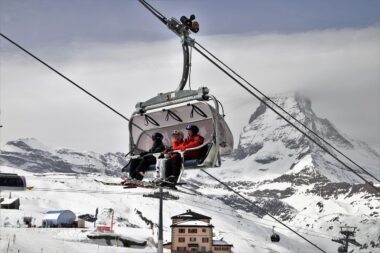
When taking a seat on a ski lift, it is essential to follow proper seating protocol. First, make sure you are fully aware of the chair’s arrival; as it approaches, position yourself appropriately for boarding. Sit down firmly in the center of the seat, keeping your equipment tucked securely beneath you. For optimal safety, place your safety bar down promptly after everyone is seated. This simple act enhances security for each passenger and serves as a signal to let others know you’re ready to ascend. Be attentive to the surroundings; conversation is acceptable, but focus on the lifts and maintain a suitable voice. If someone has a challenging boarding experience, lend assistance without compromising your safety or theirs; a little kindness goes a long way. As you progress upward, use the time to share tips or discuss the slope conditions with fellow skiers. Remember, respect is vital among skiers; avoid disruptive behavior in your interactions. Punctuality in following these protocols contributes to a more enjoyable lift experience, paving the way for body maneuverability while skiing down the slopes.
As you descend from the lift, always maintain awareness of your surroundings. Before you exit, ensure no other skiers or snowboarders are nearby to prevent accidents. As you unclip your snowboard or adjust your skis from the lift, never forget to keep your equipment close to you to avoid any confusion. Also, look around for ongoing activity; observe how other skiers are navigating the exit to determine the best approach for your own departure. Once you’ve stepped off the lift, make your way to the side immediately and let others follow without hindrance. This helps you prevent obstruction on the exit area. If you’re using a ski lift that has multiple chairs, keep track of where the lift chairs are and adjust your movement accordingly. In this way, the flow of skiers remains harmonious. Remember that safety should always be your priority, and getting cluttered will only lead to unnecessary mishaps. By exercising these precautions diligently, you establish a standard for responsible skiing etiquette, creating a positive environment for all winter sports enthusiasts.
Managing Personal Items on the Lift
Another crucial aspect of ski lift etiquette is managing personal items effectively. When riding the lift, your attention should stay focused on your gear and what surrounds you. Decide in advance where you will keep your phone or camera so that it does not become an accident risk. Backpacks and bags should remain securely positioned – it may be best to face your pack towards you so it stays tucked away during the ride. Avoid bringing excessive items on the lift; keep necessary belongings limited to what is needed for skiing. This minimizes clutter and allows more space for you and others on the chair, ensuring that passengers feel comfortable. If you feel the need to remove your gloves for a moment, secure them in a compartment to prevent dropping them. Furthermore, it is strongly discouraged not to eat or drink while on the lift; these activities can lead to spills and slippery surfaces causing hazards for fellow skiers. Practice consideration and respect for others, helping to maintain a positive skiing atmosphere on and off the lift.
Once you reach the lift’s summit, take a moment to prepare for what lies ahead. Consider reviewing your route or potential trails before you actually begin your ski down. Prioritize safety by checking weather conditions that could affect visibility or snow quality during your runs. Besides, it is common for skiers to have their preferences for specific slopes – discuss these options with your ski companions. Furthermore, familiarize yourself with trail markers which indicate difficulty levels that will contribute to making informed decisions during your ski. Scenic views can often distract you from the path; however, remaining aware of your surroundings will be instrumental in providing you with a safe experience. Respecting each skier’s skills is equally important as well; some may prefer more manageable paths. Maintain communication with your peers, offering to navigate together based on skills and preferences. This level of forethought enhances safety while strengthening connections among winter sports enthusiasts. Planning ahead ensures enjoyment and contributes positively to the community while skiing.
Post-Lift Etiquette and Gear Management
Finally, after completing your ski run, particularly at the bottom, understanding post-lift etiquette is crucial. As you return to the lift, ensure that you are properly organized for the next ascent. This means pre-adjusting your gear before you get in line again. Check any safety straps that may need to be fastened, and make sure your poles are ready to go. Align your skis correctly to facilitate an organized queue, enabling smooth boarding once you reach the lift’s presence. Respect the skiers behind you by not lingering unnecessarily; concealed rolly-cue etiquette is beneficial for all involved. Positioning your poles correctly is fundamental – don’t let them poke into someone else inadvertently. Moreover, avoid pushing in front of others, as friends should take turns fairly. Should you experience falls or equipment issues, communicate quickly with lift operators and fellow skiers to rectify the situation harmoniously. Ensuring adherence to these etiquette tips not only creates a safer environment for everyone but also promotes a culture of respect and care for fellow winter sports enthusiasts.
Engaging ultimately in proper gear handling while using a ski lift can significantly enhance your overall snow sports experience. By being conscientious about your equipment and the behaviors of others around you, you cultivate a positive skiing community for everyone. It is through respect, safety awareness, and effective communication that one enjoys the slopes while preventing accidents. Be sure to provide assistance to fellow skiers without losing sight of your responsibilities. Each slope presents its unique challenges; being adequately prepared to adjust your gear and respond to changing circumstances is crucial. Winter sports offer genuine fun, but only when everyone follows the rules, demonstrating responsibility and camaraderie. If each skier recognizes their role in maintaining lift etiquette, it leads to a proactive approach. Allow time to enjoy the scenery during both ascents and descents, making memories that last beyond the slopes. Overall, learning and following proper gear handling principles creates a respectful skiing atmosphere, enabling richer experiences for every winter sports enthusiast. The beauty of skiing is meant to be shared; prioritize safety and consideration for others on your next expedition on the slopes.