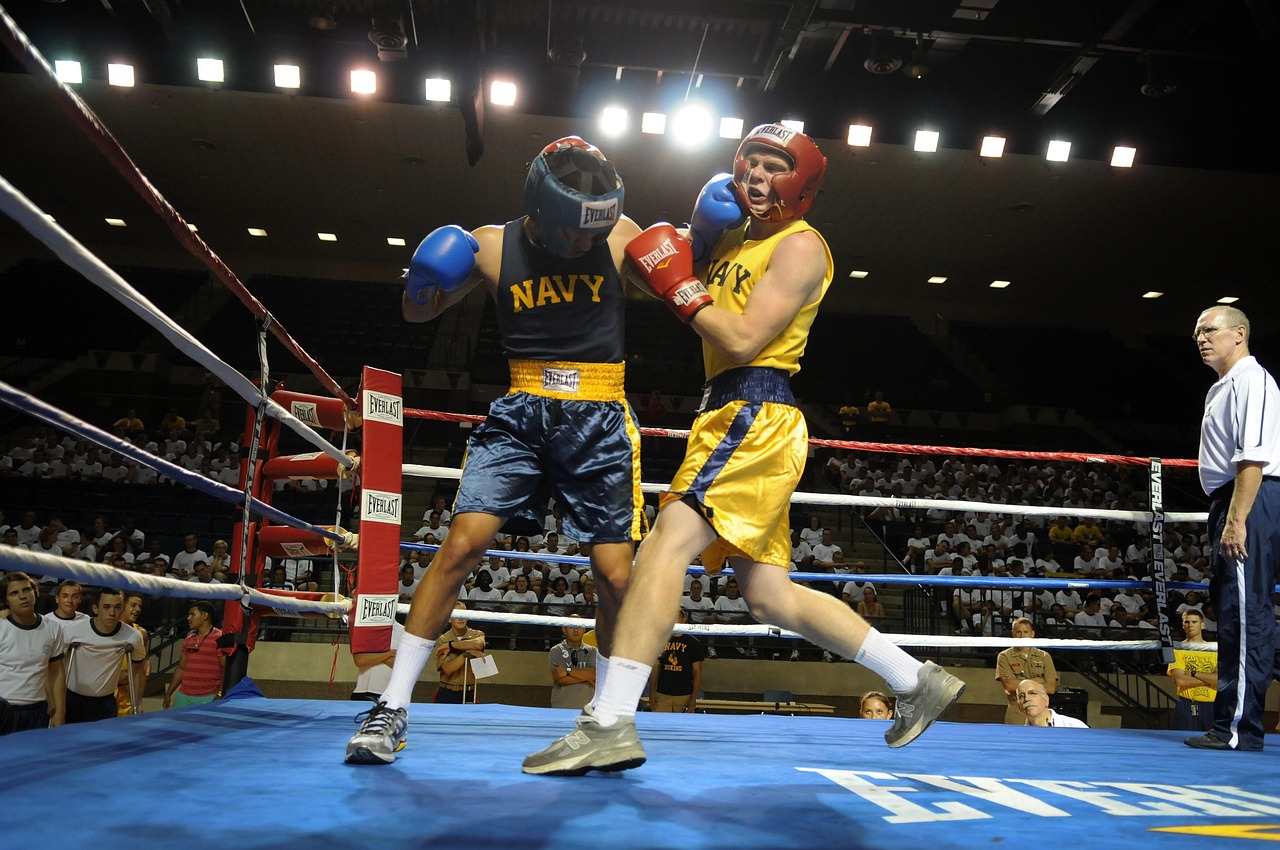

Understanding Boxing Injuries
Boxing is a thrilling sport, yet it carries risks leading to injuries. These injuries can vary, affecting both amateur and professional boxers. Common injuries include concussions, fractures, sprains, and cuts, each contingent on the frequency and intensity of training and competitive matches. To minimize these potential injuries, it is crucial for participants to practice injury prevention strategies diligently. This involves not only physical preparation but also mental awareness. For instance, both boxers should understand their own strengths and weaknesses before stepping into the ring. To combat injuries effectively, diverse training methods should be implemented, focusing on agility, strength, and stability. Adequate warm-ups prior to bouts are essential to prepare the body physically. Emphasis on proper techniques during training can further help in reducing strain on the body. Staying hydrated and maintaining good nutrition enhances overall health, making boxers less vulnerable to injuries. Educators and trainers should promote a culture of safety consistently, ensuring boxers are informed about risk factors. Understanding common injuries keeps boxers vigilant and proactive during their training. By acknowledging potential risks, participants can make informed decisions enhancing their boxing experience.
Proper Equipment Usage
Using appropriate gear is essential for any boxer aiming to prevent injuries effectively. Quality gloves, mouthguards, and headgear can significantly reduce the risk of serious harm during matches or sparring sessions. Boxers must invest in professionally fitted equipment; poorly fitted gear can do more harm than good. For instance, a mouthguard that does not fit properly may fall out during a match, exposing the boxer to dental injuries. Headgear, while often considered optional for professional bouts, should not be neglected, especially for training and amateur events. Additionally, ensure that hand wraps are applied correctly to provide support and avoid fractures. Footwear also plays an important role; proper boxing shoes provide traction and stability in the ring. Boxers need to ensure their shoes fit well, allowing for swift movement while avoiding blisters or injuries. Regularly inspecting equipment for wear and tear ensures continued effectiveness, especially when preparing for competitive matches. Ultimately, being proactive about gear maintenance and selection enhances a boxer’s safety and performance. Considering these factors can help boxers achieve their goals while minimizing any risk of injury throughout their career.
Incorporating conditioning programs into training regimens serves as an effective strategy for preventing injuries. These programs focus on improving strength, flexibility, and endurance, offering boxers the resilience they need during intense fights. Strength training, notably through weightlifting and resistance exercises, helps build crucial muscles, stabilizing joints and preventing strains, especially in the shoulders, core, and legs. Flexibility is equally vital, as stretching routines can enhance range of motion and reduce stiffness. Incorporating yoga or Pilates can be advantageous, helping with flexibility, core strengthening, and mental focus. Boxing also demands robust cardiovascular fitness; incorporating exercises such as running or swimming can elevate endurance levels, preventing fatigue during matches. Moreover, specific drills simulating various match conditions help boxers adapt their bodies accordingly, optimizing performance and stress resilience. Conditioning programs should be tailored to suit the individual’s needs and skill level within the sport to ensure maximum effectiveness. Regular evaluation of these programs allows trainers to adjust as necessary, promoting continual improvement. The result is a more prepared and athletic boxer poised to reduce injury risks through appropriately planned training regimens leading to success in the ring.
Importance of Recovery
Recovery plays a pivotal role in reducing injuries for competitive boxers engaged in demanding training schedules. Understanding that the body requires time to mend and rebuild is crucial for long-term success. Adequate rest between training sessions allows muscles to repair and grow stronger. Trainers often emphasize the concept of overtraining and the potential injuries associated with it. Symptoms may manifest through fatigue, mood swings, and decreased performance levels, all warning signs that the body needs recovery. Techniques such as foam rolling, massage therapy, and ice baths can accelerate recovery, aiding muscle relaxation. Maintaining a good sleep schedule cannot be overstated, as deep sleep is essential for muscle repair. Boxers should aim for at least 7-9 hours of quality sleep each night. Proper nutrition must also accompany the recovery process; featuring proteins, healthy fats, and carbohydrates fuels the body effectively. Hydration is no less significant, as it ensures optimal physical function during training. Implementing a structured recovery plan can help boxers sustain peak performance by minimizing injury risks while ensuring their bodies remain adaptable and resilient to competitive challenges.
Moreover, focusing on technique is crucial for boxing injury prevention. Proper punching form, movement, and defense can significantly reduce the risk of injuries. Boxers should work closely with coaches to refine their techniques, emphasizing maintaining balance during punches and avoiding excessive twisting of the body. Weekly drills should concentrate on movement patterns, helping boxers learn how to evade opponents safely. Coaches should ensure boxers practice defensive maneuvers such as slipping, bobbing, and weaving, which can help reduce the likelihood of getting hit and sustaining injuries. Understanding the principles of counter-punching and controlling distance plays an important role in maintaining safety in the ring. Incorporating video analysis can also facilitate comprehensive feedback, allowing boxers to visualize and correct their moves. Condition-specific training can enhance muscle memorization for efficient execution during bouts. Additionally, evaluating each boxer’s strengths and weaknesses can develop personalized strategies aimed at injury prevention. Finally, consistent monitoring of one’s performance adds insight into potential areas of improvement. This emphasis on technique enriches boxers’ skills, encouraging safer practices essential for thriving in a tough sport like boxing.
Regular Health Check-Ups
Regular health assessments can be invaluable for boxers committed to injury prevention during their careers in the ring. Annual medical check-ups help identify any underlying health concerns before they escalate into serious issues. Specifically, scheduled consultations with sports physicians specializing in boxing-related injuries can provide tailored injury prevention strategies. Screenings for vision, bone density, and cardiovascular health should be part of these annual evaluations, ensuring boxers’ overall health remains optimal. Boxers often overlook mental health; incorporating psychological evaluations into routine health assessments can promote emotional wellness in this demanding sport. Additionally, keeping track of common injuries, such as concussions or fractures, can help trainers develop protocols to mitigate risks based on historical data. Trainers should emphasize communication about any symptoms of discomfort or fatigue and encourage boxers to report injuries immediately. This proactive approach fosters a culture of health awareness within boxing teams, where injury prevention is prioritized. Ultimately, understanding the importance of regular medical check-ups can significantly influence overall performance and longevity in the sport. Boxers can remain focused on winning while minimizing injury risks by enabling quick interventions for needed health concerns.
Finally, mental preparation and awareness hold immense importance in the realm of boxing injury prevention. Engaging in sports psychology enhances boxers’ focus and composure, leading to better decision-making during fights. Anxiety and stress can lead to hesitation, increasing the likelihood of sustaining injuries in the heat of battle. Visualization techniques can be employed, allowing athletes to mentally rehearse fight scenarios, particularly in regard to executing defensive maneuvers instinctively. Practicing mindfulness through meditation can also enhance concentration, fortifying mental resilience amidst competitive pressures. Moreover, setting realistic goals helps boxers focus on achievable targets, reducing potential burnout from high expectations. Coaches should regularly check in with boxers about their mental state, opening dialogues that promote self-awareness. Developing a strong support network of trainers, family, and friends can provide back-up when boxers face pressures within their sport. Acknowledging and addressing mental health contributes to a more rounded preparation approach. When boxers feel prepared mentally, they can maintain better focus and confidence throughout their matches, which aids in overall performance while preventing the risk of injuries significantly.