
Preventing Cavities in Active Individuals: Best Practices
Active individuals often face various challenges in maintaining dental health, particularly when it comes to preventing cavities. Regular physical activities and sports can introduce multiple risks to oral hygiene. First, athletes may have higher oral bacteria exposure in some environments, leading to increased chances of plaque formation. Additionally, the consumption of energy drinks and sports beverages, often high in sugars and acids, can significantly contribute to tooth erosion and decay. To effectively prevent cavities, it is crucial for active individuals to enhance their oral hygiene routines. Brushing twice daily with fluoride toothpaste and flossing regularly helps remove food particles and plaque buildup. Furthermore, using an antibacterial mouthwash can be beneficial to reduce harmful bacteria in the mouth. Staying hydrated, preferably with water, is essential for rinsing away sugars and acids. Visiting the dentist routinely for check-ups and cleanings is also vital in detecting cavities early and receiving professional guidance. Adopting these best practices will ensure a healthier mouth, allowing active individuals to enjoy their activities without the worry of dental issues arising.
Diet’s Role in Dental Health
Diet plays a significant role in the prevention of cavities, particularly for those with active lifestyles. Individuals frequently participating in physical activities can easily overlook their nutritional habits, which may directly influence their dental health. Consuming a balanced diet rich in vitamins and minerals helps to strengthen tooth enamel and promotes overall oral health. Foods high in calcium, such as dairy products, leafy greens, and almonds, contribute to stronger teeth. In addition, incorporating crunchy fruits and vegetables like apples and carrots stimulates saliva production, which washes away food particles and neutralizes harmful acids. On the other hand, limiting sugary snacks and drinks is crucial; frequent consumption of these items fosters an environment conducive to cavity formation. Instead, opt for healthier snack alternatives like nuts, yogurt, or cheese. Staying vigilant about dietary choices enables active individuals to not only improve their energy levels but also safeguard their dental health. Frequent snacking on sugar-laden products puts individuals at risk. Thus, education about healthy food choices is essential for maintaining long-term dental wellness.
Staying hydrated is another key factor in preventing cavities, especially for active individuals. Physical activity often leads to increased perspiration, which can result in dry mouth. Saliva plays a crucial role in washing away food debris and neutralizing acids produced by bacteria in the mouth. Thus, missing out on adequate hydration hampers this natural defense. To maintain optimal oral health, drink plenty of water before, during, and after workouts. When indulging in sports drinks, it’s wise to choose those with lower sugar levels and balance them with water intake. While some beverages help replenish electrolytes, it’s equally essential to avoid excessive acidity exposure to your teeth. Moreover, consider incorporating hydro-friendly foods into your diet, such as cucumbers or watermelon, which naturally help keep the mouth moist. Chewing sugarless gum after meals can also promote salivation and further aid in reducing cavity risks. Consistency in these habits will not only keep you hydrated but also protect your dental health from potential challenges related to your active lifestyle.
The Importance of Regular Dental Visits
Regular dental visits are essential for everyone but particularly so for active individuals who might inadvertently overlook their oral health. Visiting a dentist at least twice a year allows for professional cleanings, helping remove plaque and tartar that daily brushing might miss. Additionally, these appointments are crucial for identifying and addressing upcoming dental issues before they escalate. During a check-up, your dentist can assess your risk of cavities and recommend tailored preventive measures based on your lifestyle. They may suggest fluoride treatments to strengthen enamel or sealants on molars to shield them from cavities. For those engaged in contact sports, obtaining a custom mouthguard can be especially beneficial in preventing dental injuries. Regular checks are also an excellent opportunity to discuss any oral concerns, such as sensitivity issues or gum health, that might arise due to your activity levels. By prioritizing these visits, you empower yourself to take control of your dental health while continuing to pursue an active lifestyle free of dental worry or discomfort.
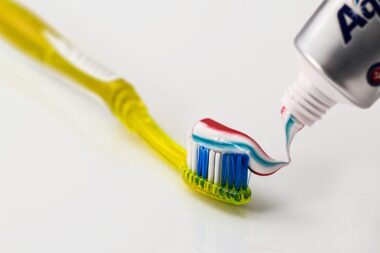
Another vital aspect of preventing cavities is ensuring proper brushing and flossing techniques are employed. Active individuals may often rush through their routines, but allowing adequate time for these essential tasks can significantly impact oral health. Dental professionals recommend brushing for at least two minutes, targeting all areas of the mouth, including the backs of teeth and along the gum line. Using a soft-bristled toothbrush and fluoride toothpaste helps effectively remove plaque without damaging enamel. Additionally, that’s where flossing comes into play. Daily flossing helps eliminate food particles and plaque from the often-missed spaces between teeth, where cavities frequently develop. Proper technique plays a role as well; gently slide the floss between teeth and curve it around each tooth to maximize cleaning. It’s crucial to communicate the importance of these habits, especially to young athletes, creating healthy routines from an early age. The more engaged active individuals are in their dental health, the better equipped they will be to prevent cavities and maintain a bright smile throughout their lives.
Protective Measures for Active Sports
Participating in sports can increase the risk of dental injuries, making it crucial to implement protective measures to prevent cavities and oral injuries. Wearing a well-fitted mouthguard is highly recommended for athletes, especially in contact sports like football, hockey, and boxing. Mouthguards serve as a buffer to absorb impacts that could affect teeth and jaw muscles. They also help prevent abrasions to the gums and soft tissues of the mouth. If necessary, custom mouthguards can be obtained through your dentist, ensuring the best fit and comfort. Furthermore, establish a routine to clean your mouthguard regularly, as it can harbor bacteria and other harmful agents if not maintained appropriately. It’s also beneficial to educate athletes on the importance of avoiding hard candies or ice, which can potentially chip teeth during play. Additionally, if you wear braces, ensure you follow your orthodontist’s recommendations on how to protect both your brackets and teeth. Prioritizing these protective strategies can greatly reduce the likelihood of dental issues, keeping active individuals in the game while maintaining their oral health.
Besides the physical dental care practices and preventive measures discussed, understanding the psychological aspect of maintaining good dental health during an active lifestyle is equally important. Many individuals may struggle with oral health due to the challenges they face in balancing their fitness routines with proper self-care. Creating a dental care schedule helps in managing time effectively, ensuring oral hygiene routines become a part of daily life. Additionally, fostering a positive mindset about dental visits can diminish fear or anxiety surrounding routine appointments. Encouraging open communication with dental professionals about concerns and experiences can also create a more collaborative approach to care and contribute to overall wellness. Support from family and coaches can inspire individuals to stay committed to their oral health every day. More so, educating peers about the importance of cavity prevention can empower communities. Establishing group practices—like collective brushing sessions—can enhance motivation and commitment to dental health. Cultivating a positive dental health culture helps active individuals to perceive oral care as a rewarding lifestyle choice rather than merely a chore.
Recap of the essential practices and reinforcing benefits is crucial to solidify proactive dental health. Keeping your mouth clean is about more than aesthetics; it fosters optimum performance in all activities. Incorporating preventative dental care routines ensures you protect your teeth against decay while managing your active lifestyle. These practices bolster the strength of teeth against wear that arises from rigorous exertion. Moreover, being mindful of diet, hydration, and oral hygiene variety contributes to long-term dental health. Regular check-ups, brushing and flossing techniques, protection during sports, and promoting a positive dental culture within your community are vital components in preventing cavities. Through these practices, active individuals can enjoy their lives free from dental problems. The journey towards exceptional oral wellness requires dedication and consistency, yet rewards an individual with both health benefits and confidence. By embracing these habits and engaging communities around healthy practices, you set the foundation for a brighter, healthier future. Ultimately, prevention remains the best strategy in combating cavities to foster sustained well-being. A shining smile should be a natural result of not just personal commitment but collective encouragement around understanding and valuing oral health.