Ice Kayaking vs. Traditional Kayaking: Key Differences
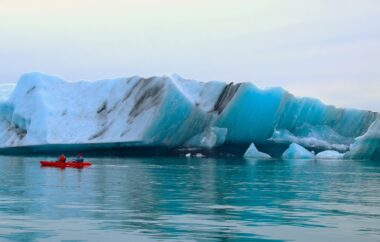
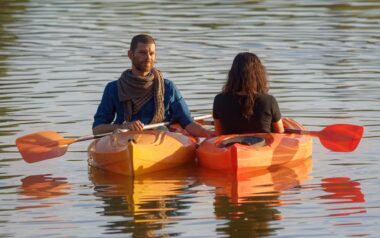
Ice kayaking is an adventurous variation of traditional kayaking, featuring some intriguing differences. Both activities involve paddling in a kayak, yet their environments and conditions markedly differ. Traditional kayaking typically takes place in warmer environments, on rivers or lakes, often surrounded by non-frozen scenery. Participants enjoy the lush greenery, vibrant wildlife, and gentle breezes that accompany warmer temperatures. In contrast, ice kayaking occurs on frozen bodies of water, requiring participants to navigate on ice-covered surfaces. This contrast creates unique challenges, with varying risks and opportunities for excitement. Ice kayakers often encounter aspects like thin ice, unpredictable weather, and extreme cold. Participants need specialized equipment, including ice picks and appropriate thermal clothing. Learning curves can vary significantly; ice kayakers must hone skills to manage potential hazards, while traditional ones may focus on navigation through waterways. Onlookers often find both sports thrilling; the visual appeal of ice kayakers gracefully gliding over ice combines beauty and athleticism. In summation, understanding these distinctions helps enthusiasts appreciate each sport while recognizing their specific challenges and joys.
Equipment Differences
Let’s explore the equipment distinctions between ice kayaking and traditional kayaking. Ice kayakers require gear specifically designed for cold conditions and ice interaction. This includes insulated clothing to maintain body heat in frigid temperatures. Insulated drysuits serve as a popular choice, keeping kayakers warm despite wild fluctuations in temperature. Furthermore, ice kayakers often use specialized kayaks with reinforced hulls designed to withstand impacts with ice. This enhances safety, ensuring that the kayak remains intact during challenging maneuvers. They also utilize equipment like ice picks, which assist in getting back on the kayak if they fall through the ice. Conversely, traditional kayakers can typically use lighter kayaks made from materials such as polyethylene, allowing ease of maneuverability and speed. Their gear commonly features dry tops and shorts, designed for maintaining comfort in warmer waters. Paddles also differ; ice kayakers may opt for sturdier ones to ensure control over their vessel. Regardless of the type of kayaking, quality equipment remains vital in mitigating risks, thus underscoring the importance of investing wisely. Practicality and comfort dictate choices, ensuring enjoyable experiences in both settings.
While the environments and settings differ, the core techniques remain relatively similar between ice kayaking and traditional kayaking. Both activities necessitate efficient paddling techniques, balance, and navigation skills to maneuver effectively. Ice kayakers require refined balance as they navigate through potential thin ice sections, impacting their stability. Paddlers need to quickly adapt to their surroundings, using body weight to maintain equilibrium while avoiding falling through the surface. In traditional kayaking, paddlers focus on using strokes to navigate calm waters, handling currents effectively. Depending on the waterway, paddling techniques can vary greatly; white-water kayakers, for instance, have additional techniques to maneuver through rapid passages. Mastering these skills is essential for both activities. Ice kayaking may involve an increased emphasis on coordinated movement to avoid slipping or falling. Practicing control in instructional settings contributes to enhanced confidence. Whether navigating the ice or flowing river currents, both activities provide opportunities for skill development, exciting challenges, and fostering personal growth. Enthusiasts should approach learning with an open mind while keeping safety protocols firmly in focus.
Safety Considerations
Safety concerns are paramount for both ice kayaking and traditional kayaking. Ice kayaking presents particular hazards due to the inherent risks associated with frozen water surfaces. Participants must be prepared for unforeseen circumstances, particularly thinner ice spots, which may prove dangerous. It is vital to assess ice conditions thoroughly before embarking on an ice kayaking adventure. Carrying safety gear, including flotation devices and protective helmets, can make all the difference in ensuring one’s safety. Participants should also have knowledge of self-rescue techniques, equipping them with the skills necessary to retrieve themselves if they fall through. Additionally, adventure-seekers should work in pairs or groups, significantly increasing safety margins during unpredictable circumstances. Traditional kayaking also presents its safety challenges; factors such as strong currents, sudden weather changes, or wildlife encounters can emerge unexpectedly. Wearing a personal flotation device and preparing for all conceivable scenarios enhances kayaker safety. Moreover, having navigational tools and communication devices are critical; this allows for effective planning in case of emergencies. Overall, both activities require commitment to safety, precautions, and conscientious decision-making when venturing into the great outdoors.
The physical demands of ice kayaking and traditional kayaking also differ significantly, depending on the conditions encountered. Ice kayaking, for instance, requires kayakers to exert themselves in colder temperatures, demanding physical conditioning to maintain warmth and stamina. Navigating icy surfaces involves using a strategic blend of strength, balance, and endurance, as they often face resistance from the ice beneath them. This nuanced approach might include short bursts of energy to propel the kayak over challenging surfaces, enhancing cardiovascular fitness and muscular strength. In contrast, traditional kayaking focuses on long-duration paddling, primarily engaging upper body muscles over extensive periods. Entailing techniques center around utilizing core strength and employing steady paddling strokes can effectively allow movement across water bodies. Both kayaking types, despite their unique demands, contribute to well-rounded physical fitness and stamina development, which can be incredibly rewarding for participants. Embracing regular practice helps in building the muscle memory essential for improved performance. Furthermore, developing endurance and cardiovascular skills through these water sports is paramount in enhancing overall health, regardless of the environment chosen.
Environment and Scenery
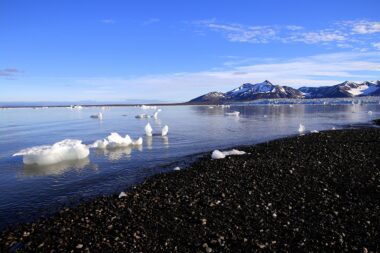
The environments experienced while engaging in ice kayaking or traditional kayaking vary greatly, significantly influencing kayaker experiences. Ice kayaking showcases stunning winter landscapes adorned with pristine white ice, majestic frozen mountains, and picturesque snow-covered trees. This mesmerizing scenery provides an extraordinary backdrop for enthusiasts while inviting tranquility and adventure alike. Moreover, the peacefulness of quiet frozen landscapes enhances the overall appeal, allowing for immersive experiences in nature’s beauty. Conversely, traditional kayaking invites enthusiasts into vibrant ecosystems filled with lush greenery, alive with colorful wildlife and dynamic ecosystems. Paddling amidst the sights and sounds of warm, flowing waters delivers immersive experiences that engage all the senses. The contrasting elements between frozen, quiet landscapes and active, lively waterways provide myriad opportunities for exploration. Each sport beckons individuals to engage with nature uniquely. Ice kayakers appreciate serenity, offering reflective experiences amidst untouched beauty. Traditional paddlers find meaning in vibrant ecosystems, where each adventure unveils new wonders. Embracing these diverse settings enriches personal connections with the environment, making every outing unforgettable in its own right.
Ultimately, both ice kayaking and traditional kayaking offer unique adventures, appealing to different preferences and personalities. Determining which sport aligns best with one’s interests necessitates thoughtful consideration of various factors. Enthusiasts inspired by winter and seeking exhilarating ice experiences may gravitate towards ice kayaking. The thrill of gliding across icy surfaces, coupled with the tranquil beauty of frozen landscapes, paints an inviting picture. On the other hand, individuals favoring warmer climates, social interactions, and vibrant ecosystems will often lean towards traditional kayaking. This option provides more opportunities for social engagement and exploration of diverse environments. While each sport showcases distinct attributes, both cultivate an appreciation for the great outdoors and all it has to offer. Each experience enriches personal connections to nature while promoting overall well-being. As individuals consider their kayaking journeys, evaluating interests, motivations, and preferred settings proves essential. In conclusion, no matter which kayaking style you choose, embracing adventure and challenging personal limits while connecting with nature guarantees memorable experiences. Enjoyments await enthusiasts in both the icy waters and traditional waterways.